Helping Connect the Dots: A Caregiver’s Guide to ATTR Amyloidosis
Getting to a complicated diagnosis, like that of ATTR amyloidosis, can be a long and frustrating journey for patients and the family members who care for them. Symptoms may appear unrelated, affect different parts of the body, or resemble more common conditions—such as heart failure, hypertrophic cardiomyopathy, carpal tunnel syndrome, spinal stenosis, or peripheral neuropathy—making it difficult to recognize that they may be connected. Caregivers describe years of misdiagnoses, visits with multiple specialists, missed warning signs, and the challenge of finding healthcare professionals familiar with ATTR.
This webinar helps family caregivers better understand why getting a diagnosis can be so challenging and what they can do to help move the diagnostic process forward. Drawing on the experiences of caregivers who have navigated this journey themselves, the discussion explores the importance of recognizing patterns across seemingly unrelated symptoms, communicating effectively with healthcare providers, keeping track of changes over time, and advocating for further evaluation when something doesn’t seem right.
What You Will Learn
Why ATTR Is Difficult to Diagnose

Meet the Hosts

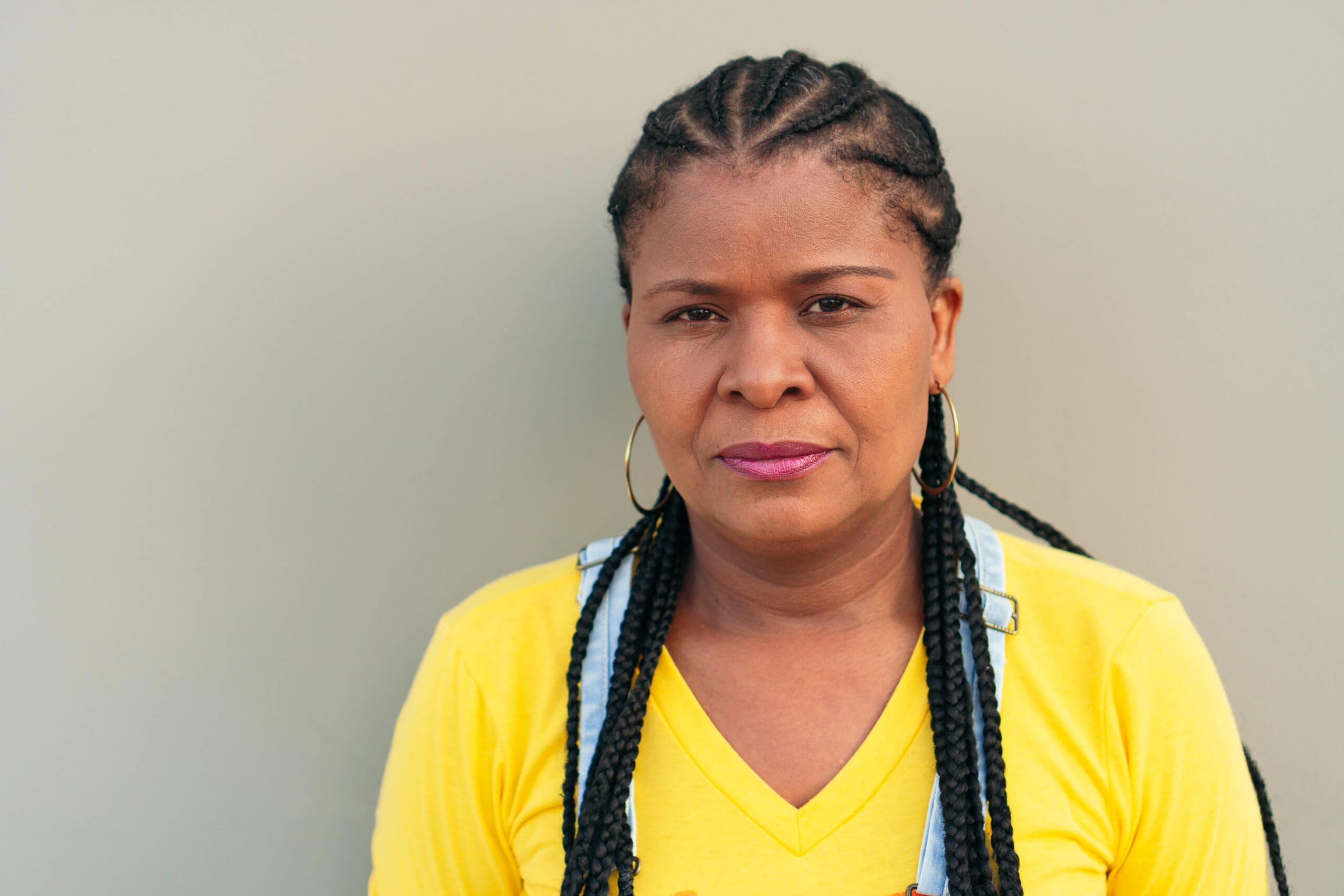
Deborah Stamps, EdD, MBA, MS, RN, GNP, NE-BC, CDE®, FADLN,FAAN | Chief Executive Officer for Deborah Stamps Consulting, LLC
Deborah Stamps is an accomplished, highly skilled nurse executive who has dedicated her career to the service of others. For more than three decades, she worked with Rochester Regional Health in Rochester, New York. Deborah is passionate about health equity, eliminating health care disparities, and increasing the diversity of the nursing workforce – she is an active participant in many local, regional and national initiatives and committees working to impact poverty, Health Equity, Racism, and workforce development.
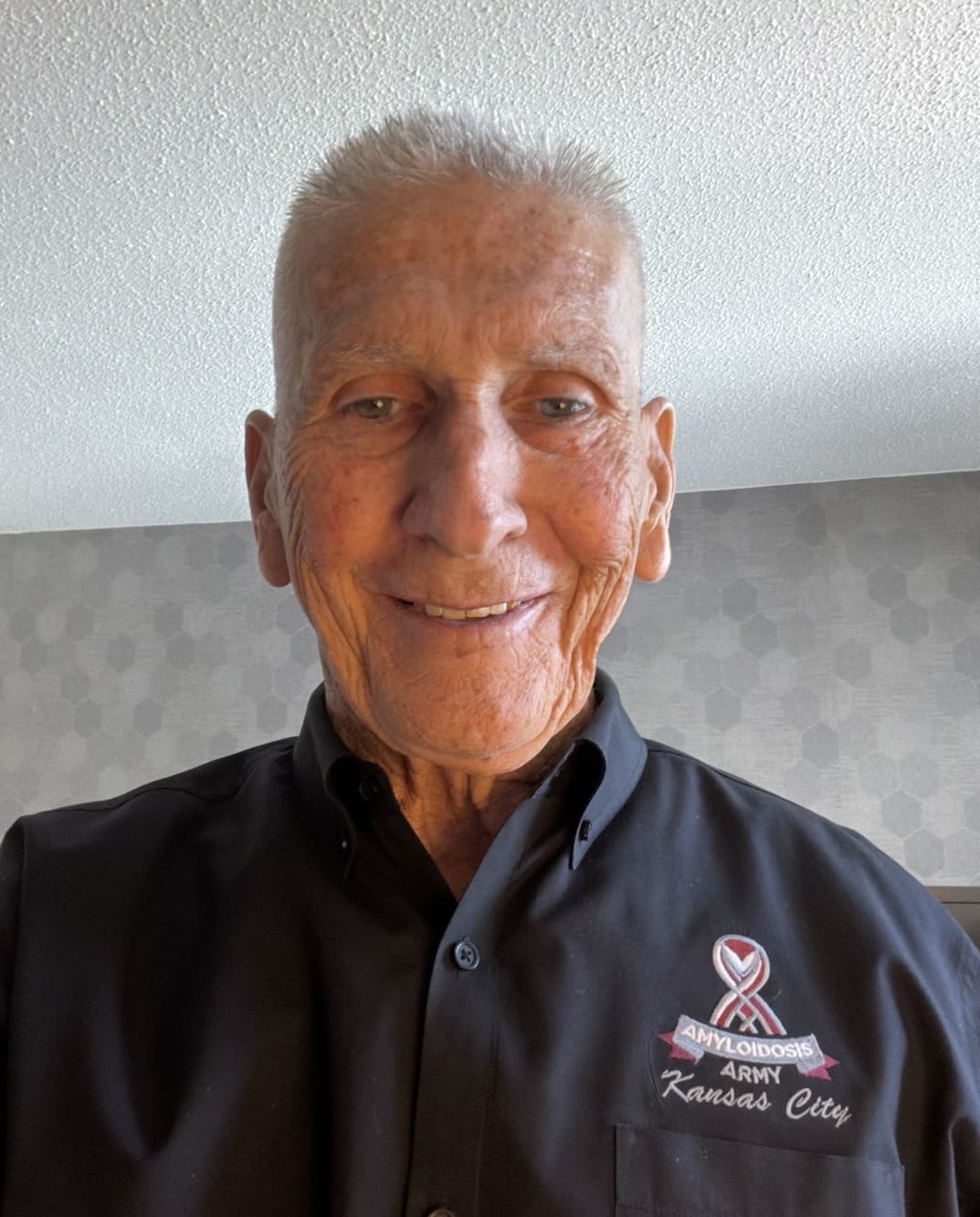
Mike Lane | Founder Amyloidosis Army
Amyloidosis Awareness Advocate. Founder Amyloidosis Army, National Director at A.C.C.B.F, ARC Patient Advisory Committee, RARE Advisory Committee, Lead Patient Senator Kansas for Patients Rising Now. Visit Amyloidosisarmy.org.
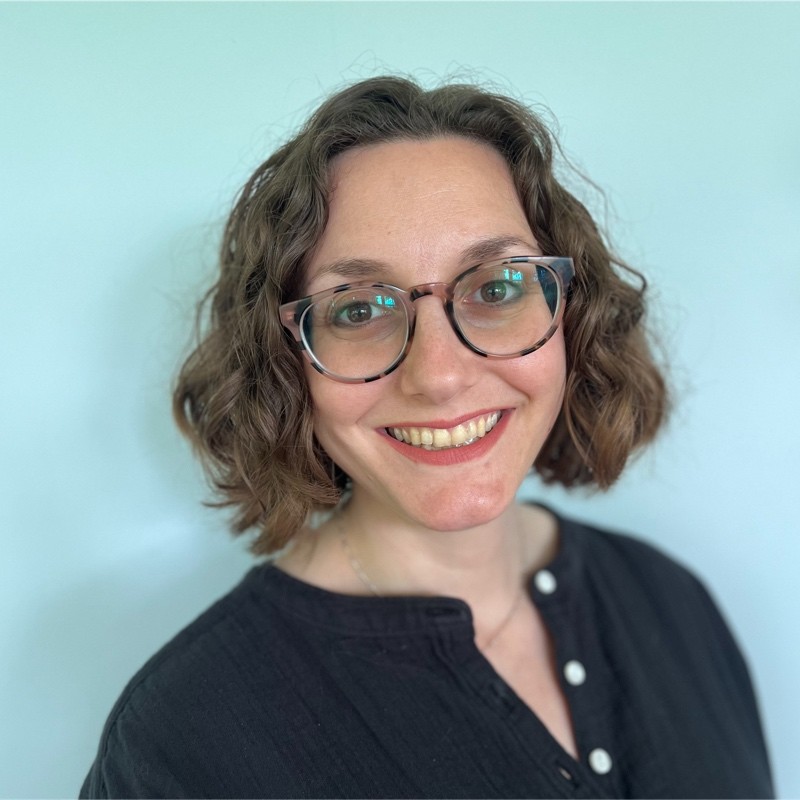
Jennifer Greenman | Clinical Care and Education Manager, Amyloidosis Research Consortium
Jennifer Greenman is the Clinical Care and Education Manager with Amyloidosis Research Consortium. As a licensed clinical social worker, Jenni works closely with patients and families living with amyloidosis, connecting them with education, emotional support, peer support, and resources throughout their disease journey.
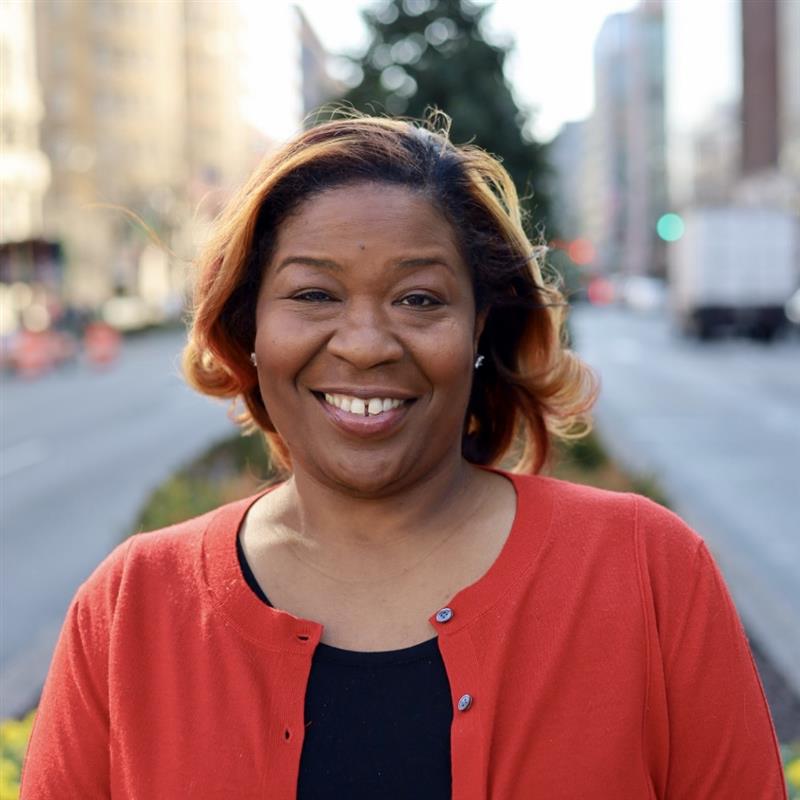
Amera Bilal | Vice President of Programs & Policy, Caregiver Action Network
With over 20 years of experience designing programs at the intersection of aging, caregiving, and equity, Amera brings a powerful vision for centering caregiver voices in systems change. From leading Alzheimer’s initiatives in Prince George’s County to championing inclusive program design for historically marginalized communities, her leadership strengthens our ability to serve caregivers nationwide.
Made possible with support from Alnylam Pharmaceuticals.

About Alnylam:
Alnylam is a leading independent biopharmaceutical company focused on researching and developing innovative medicines for people living with both rare and prevalent diseases. Through its pioneering work in RNA interference (RNAi), Alnylam’s approach is designed to address the underlying causes of disease. The company is committed to supporting patients, families, and communities through scientific innovation and continued investment in research.
About Caregiver Action Network (CAN):
Caregiver Action Network (CAN) is the nation’s leading nonprofit dedicated to improving the quality of life for the more than 63 million family caregivers across the nation. From parents of children with complex health needs to spouses, friends, and adult children caring for loved ones with chronic conditions, disabilities, or Alzheimer’s, CAN supports the full spectrum of caregiving families. Through free education, peer support, and resources, CAN empowers caregivers nationwide to provide care with strength, resilience, and hope.