What is a Caregiver?

You might already be a caregiver—here’s what that can look like

A caregiver is anyone who helps another person manage their health, daily needs, or overall well-being—often without pay. You might be a caregiver if you:
  • Help a family member, partner, friend, or neighbor with everyday tasks
  • Coordinate or attend medical appointments
  • Manage medications or health-related needs
  • Provide emotional support, check-ins, or advocacy
  • Assist with household responsibilities or transportation
  • Step in regularly because someone relies on you
If you see yourself in any of these roles, you can identify as a family caregiver—even if you’ve never used that term before. Caregiving looks different for everyone, but every caregiver plays a vital role and deserves recognition and support.


The Caregiver’s Role

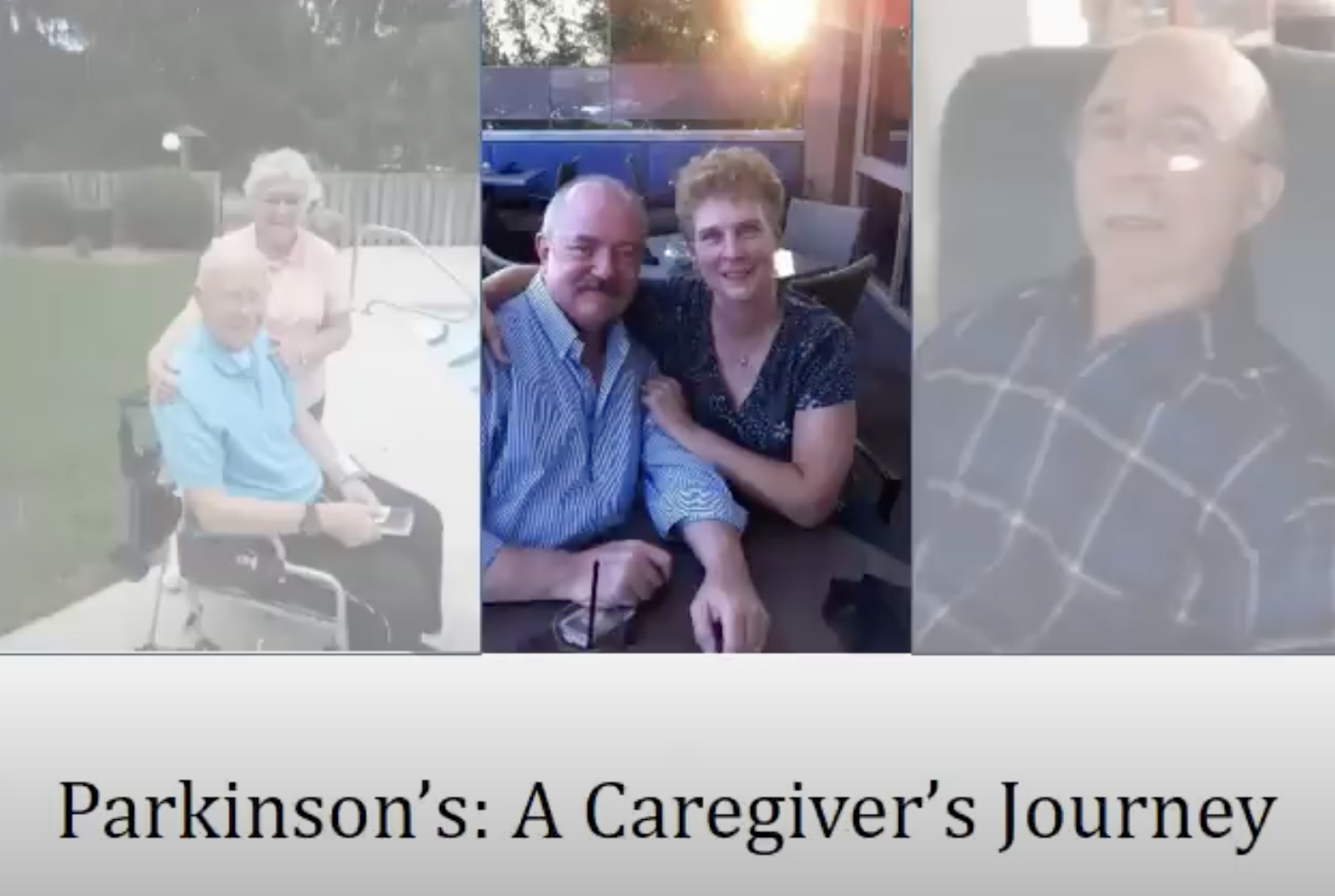
Parkinson’s disease is a progressive neurological disorder that affects movement, balance, coordination, and often brings non-motor symptoms like sleep problems, cognitive changes, and mood disturbances. Caregiving for someone with Parkinson’s involves adapting to changes that unfold gradually over time—supporting mobility, medication management, communication, and emotional health. Because symptoms can vary greatly from day to day, caregivers must balance flexibility with long-term planning and resilience.

Parkinson's Disease

Top 3 Things Caregivers Should Know

Medication Timing is Critical

Parkinson’s medications (like levodopa) must be taken on a strict schedule to control symptoms effectively. Caregivers often play a key role in organizing and monitoring medication routines.

Movement & Safety Require Adaptation

Falls and mobility challenges are common. Home modifications, assistive devices, and fall-prevention strategies can help maintain safety and independence.

Emotional & Cognitive Symptoms are Part of the Disease

Parkinson’s isn’t only about movement—it can also involve depression, anxiety, hallucinations, or memory issues. Supporting mental health is just as important as addressing physical changes.

Caregiving Resources

Partner Resources

This resource was developed with support from the Ohio Parkinson’s Foundation – Northeast Region & the Movement Disorder Policy Coalition.

Explore Your Community Support Options

Personalized Guidance from Caregiving Experts

Personalized Guidance from Caregiving Experts

Available Monday-Friday from 8am – 7pm ET, our experts are ready with the personalized support, guidance, and assistance you need and deserve–for as long as you need it.

(855) 227-3640

24/7 Access to Hundreds of Helpful Resources

24/7 Access to Hundreds of Helpful Resources

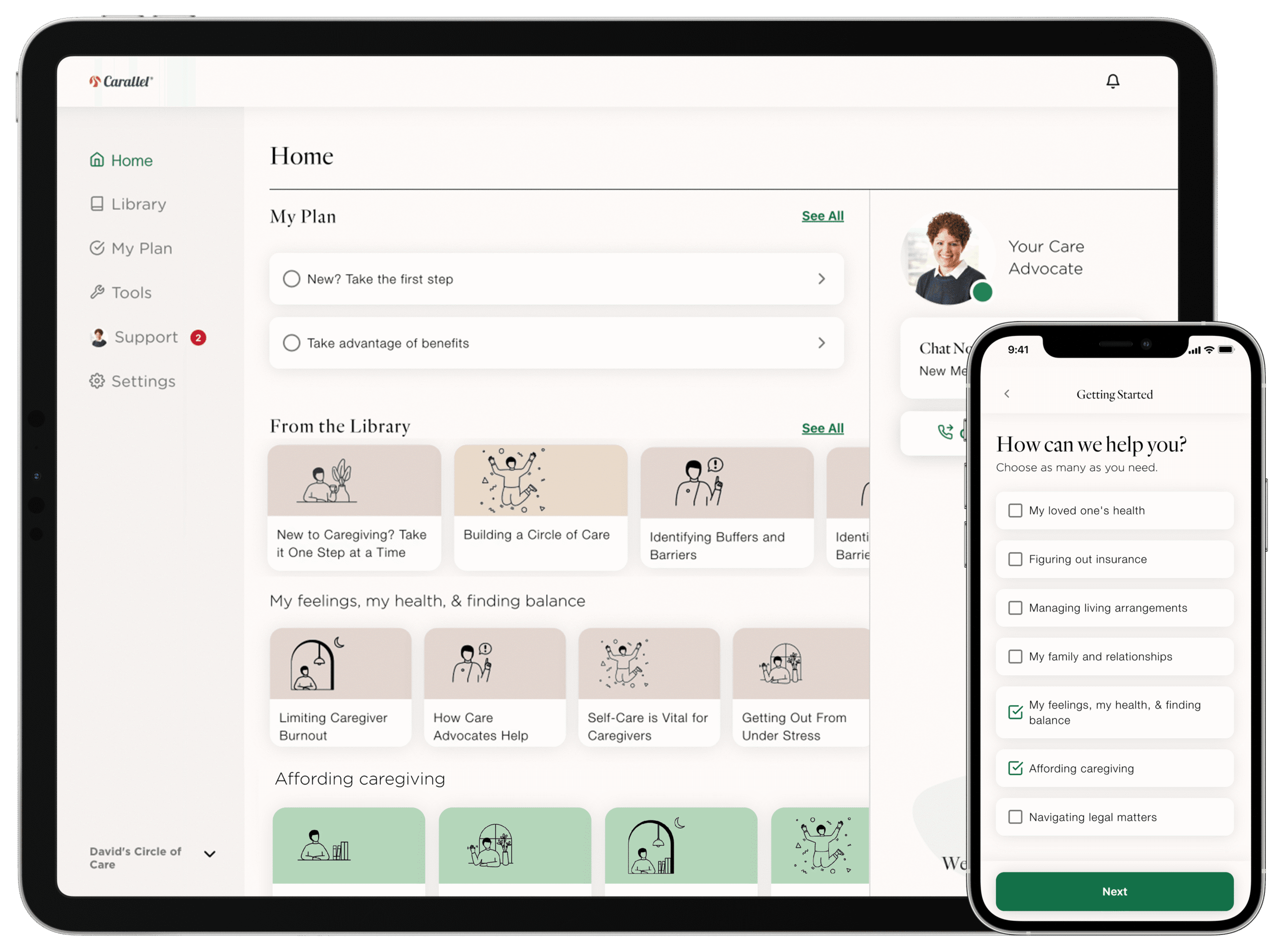
The National Caregiver Help Desk App, powered by Carallel, is full of bite-sized resources crafted to help you build skills, validate what you’re feeling, and help you get stuff done.

Use Access Code: CAN

Connection & Community with Other Caregivers

Expert-Led Virtual Fireside Chats

These 30-minute virtual fireside chats address the complex and often difficult topics encountered by caregivers. Sessions are led by Matt Perrin, Carallel’s Director of Caregiver Engagement, and Sheila Schultz, a Carallel Care Advocate.

Community with Other Caregivers

Community With Other Caregivers

Through CAN, Carallel Support Groups give you a place to ask questions, feel understood, and build confidence in your caregiving journey. Access is simple and available when you need it.

Certified Listeners

Connect with Certified Listeners

Looking for someone who really gets it? Get matched with trained listeners who share your lived experience—whether that’s caring for someone with Alzheimer’s, cancer, or another chronic condition.

Facebook Support Group for Caregivers

Online Support Group on Facebook

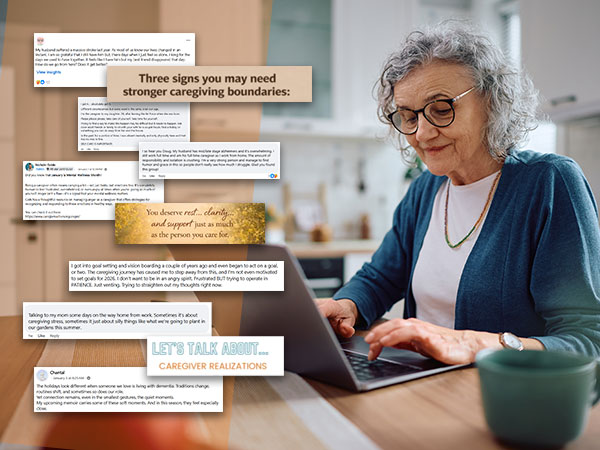
Join our caregiver community on Facebook to connect with thousands of peers in a welcoming, supportive space.
Ask questions, share experiences, and receive advice any time of day.

We’re meeting caregivers where they are—giving you choices for how you want to connect, whether through expert advice, peer-to-peer empathy, or live support groups.