Help for Cancer Caregivers

Support, tools, and understanding for people caring for someone with cancer.

Help for Cancer Caregivers recognizes that every caregiving experience is different—and that means every caregiver’s needs are different, too. This landing page was created from the voices of cancer caregivers like you. We listen to feedback and are always working to better understand the needs and concerns of all caregivers so we can improve the ways we support those who care for others.

We see you and we recognize the vital role you play in caring for your loved one. We believe you when you tell us what causes you stress, and we are committed to you—to growing our understanding of your self-care needs and finding new ways to support your emotional, physical, and practical well-being.

Help for Cancer Caregivers is a collaboration between CancerCare and Caregiver Action Network. Together, we are building resources that recognize your experience, reduce isolation, and make it easier to get the help you need.

Below you’ll find articles and tools to help you cope with feelings, care for your own health, manage day-to-day tasks, work with others on the care team, and stay connected when you’re caring from a distance.


Caring for someone with cancer brings up many emotions—fear, anger, sadness, guilt, even relief. These articles can help you name what you’re feeling, understand that you’re not alone, and find healthy ways to cope.

  • References What are caregiver loneliness and isolation? Isolation happens when a person does not spend time with other people enjoying themselves. Caregivers have a lot to do, and this often takes them away from their usual connections with family and friends. There are bills to pay, people to call, direct care to provide, [...]

  • References What is caregiver fear and uncertainty? Uncertainty is the inability to know what will happen in the future. Cancer and cancer treatment can be scary and unpredictable. Feelings of fear and uncertainty can be triggered by not knowing how the disease will impact the patient and family physically, emotionally, and financially or [...]

  • References What is caregiver anxiety? Anxiety is a feeling of uneasiness, discomfort, or impending doom. It is common for people taking care of someone with cancer to experience anxiety. It can be caused by a loss of control, fear for the patient’s well-being, worry over family finances, uncertainty about the future, and feelings of being overwhelmed. Caregivers [...]

  • References What is caregiver anger? Many caregivers feel angry at some point. They may curse, yell, get irritated, withdraw, or even get physically sick. Caregiver anger usually comes from feeling out of control, overwhelmed, anxious, scared, tired, or stressed. As a caregiver, you may feel angry that others are not helping enough, or angry at yourself for [...]

  • References What is caregiver burnout and stress? Taking care of another person can be stressful. Everyone has some stress, but too much can harm your health, relationships, and enjoyment of life. Caregiver burnout happens when you are in a state of stress or distress for a prolonged period of time. It can affect [...]

  • References What is caregiver depression? Depression is a deep sadness that lasts more than two weeks and gets in the way of daily activities. If you are depressed or have depressive symptoms, you may cry often, have problems sleeping, eat too much or too little, feel hopeless, helpless, sad, guilty, worthless, and/or sluggish. [...]

Your health matters, too. This section offers ideas and strategies to help you protect your physical and emotional health while you’re caring for your loved one, from managing stress to getting enough rest and support.

  • References Why is it important to exercise now? Exercise is important for good health. Just a few minutes of activity a day can improve your overall well-being. It can give you more energy, reduce stress, and lift your mood. It can also decrease your risk of heart disease, colon cancer, diabetes, osteoporosis, and [...]

  • References Why do I need to think about my own health now? Caregivers often brush aside their own needs. They tend not to go to the doctor as often as they should, and many do not get the preventative care that they need. Caregivers should especially go to the doctor on a regular [...]

  • References What is substance abuse? Substance abuse is the overuse of alcohol, illegal drugs, prescription drugs, or over-the-counter medications. The line between use and abuse is not always clear. A person has to decide where the line is for him or herself. Substance abuse may feel like a loss of control, an inability [...]

  • References What is caregiver fatigue? Fatigue is an overwhelming sense of tiredness. If you are fatigued, you may have little energy to do the things you normally do - even if you are getting enough sleep. You may feel tired all the time, weak, worn out, slow, or heavy. You may also feel [...]

  • References Why is it important to pay attention to my eating now? Eating right can be difficult when you’re caring for someone with cancer. Appointments may get in the way of meals. You might not like the food at the hospital or transfusion center. You may not have time or energy to cook. [...]

  • References What are caregiver sleep problems? Sleep problems include insomnia (the inability to fall or stay asleep), hypersomnia (problems staying awake), poor quality sleep, or inability to stay asleep. Sleep problems can change the way you think and feel. If you haven’t had a good night's sleep, you may feel tired, irritable, jittery, [...]

Cancer caregiving often means juggling schedules, appointments, medications, transportation, meals, and more. These articles focus on practical, everyday challenges and tips to help you stay organized and make daily life a little more manageable.

  • References What are some transportation issues related to cancer care? During treatment the person with cancer may need to go to the hospital or clinic often over the course of many weeks. Because treatment can cause weakness, pain, fatigue, nausea, and vomiting, he or she may not be able to drive him or [...]

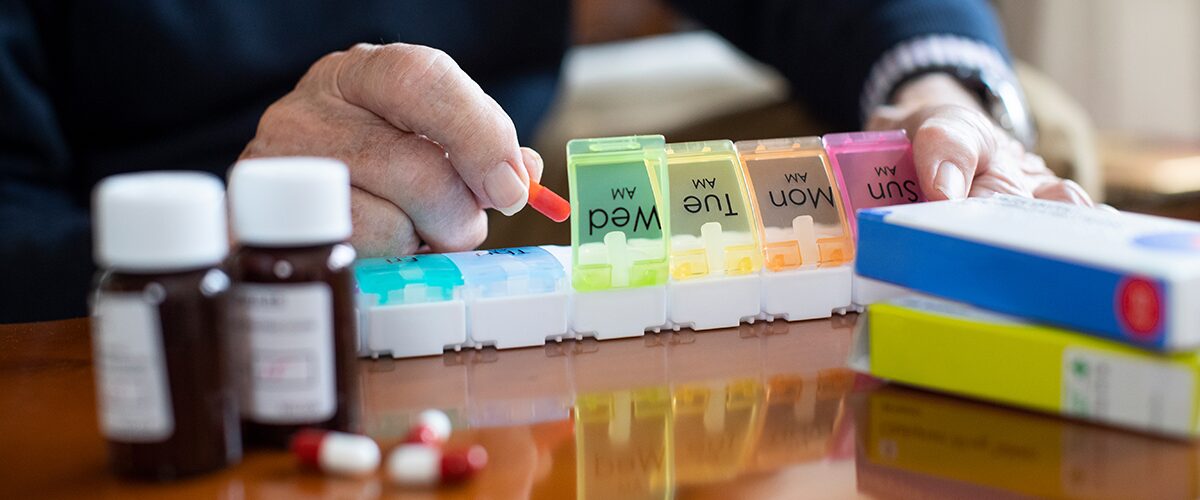
  • References What are the medication issues related to cancer? People with cancer often take many medications both for their cancer as well as for other chronic health problems. Following the doctor’s orders can be hard when some need to be taken with food, some without, some in the morning, some at bedtime, some [...]

  • References What can I do to make the patient’s home safe? Patients with cancer often have health-related problems that make safety important. Side effects from treatment such as weakness, pain, and numbness in legs and feet all can contribute to falls. There is an increased tendency for cancer patients to fall. Most homes [...]

  • References What should I prepare for? People with cancer sometimes have serious, even life-threatening unexpected events. These can be caused by the disease or treatment. You are less likely to be surprised by emergencies if you’ve learned about the person’s illness and know what to expect and what to watch for. You’re also [...]

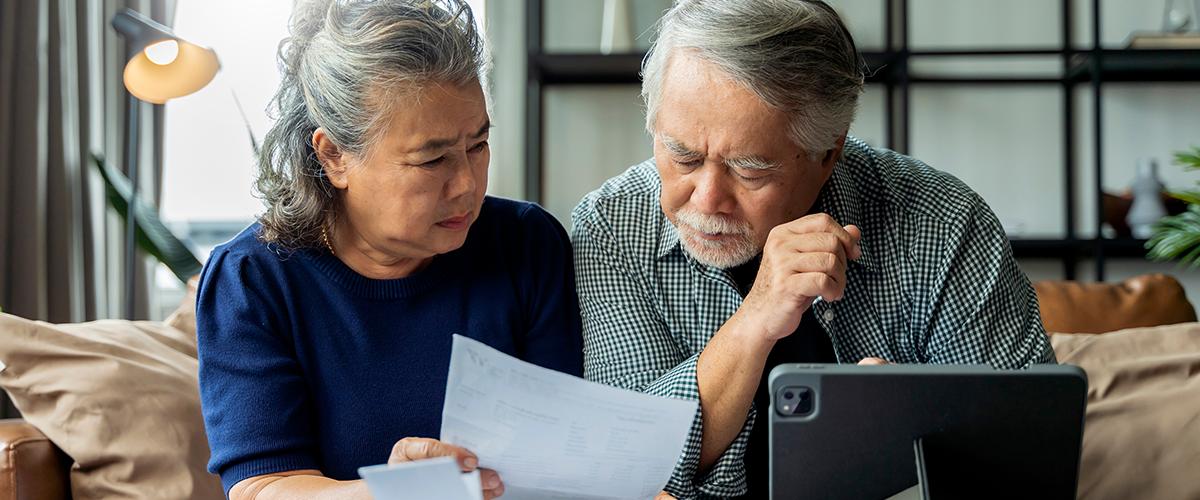
  • References What are some financial issues related to cancer care? Cancer can be a huge financial burden on families, and money can be a major concern. Many treatment-related costs are not covered by insurance. You may also have additional non-medical expenses like transportation, in-home care, or childcare. And, both you and the person [...]

  • References How can caregiving affect my work? Many people find it hard to balance work and caregiving. Medical appointments for the patient and other tasks of care can interrupt your work day. You may be sleeping poorly or distracted by feelings of fatigue, uncertainty and fear, anger, depression, or anxiety. You may find yourself working less hours or not as [...]

You don’t have to do this alone. Here you’ll find guidance on working with family, friends, and the health care team—communicating effectively, sharing responsibilities, and navigating conflict when it comes up.

  • References Why is it important to talk with the patient's healthcare providers? Please note: The patient will need to give permission for his or her healthcare providers to speak with you. If you stay in touch with healthcare providers treating the cancer, you’ll likely have a better understanding of the disease and treatment. [...]

  • References Why is it hard to talk with family and friends about caregiving? Many caregivers find it difficult to speak with the person who is sick. You and your loved one are in this together, but your experiences and roles are very different. For example, the cancer patient may be frustrated that he [...]

  • References What is a Care Plan? It is important to have a written plan of care for your loved one. A Care Plan lays out what needs to be done to manage the health and well-being of the cancer patient. Unlike the doctor’s “plan of care,” the Care Plan addresses non-medical issues. A [...]

  • References What are family meetings? Family meetings can help you make sure that everyone understands the situation. Caring for someone with cancer is not a one-person job. You need others to pitch in. Even if they don’t give direct care, the time you spend caregiving may affect them. Meetings are a way to [...]

  • References Why is it important to ask for and accept help? Caring for someone with cancer can be hard, time-consuming, and stressful. As a caregiver, you are at increased risk of emotional, mental, and physical health problems. You may feel stress, anger, anxiety, depression, fatigue, loneliness, and uncertainty. Caregivers need help. Some caregivers [...]

Many caregivers don’t live in the same town—or even the same state—as their loved one. These resources cover how to stay informed, involved, and emotionally connected when you’re caring from a distance.

  • References What does it mean to help from a distance? If you are caring for someone with cancer who lives more than an hour away, that’s “caring from afar” or helping from a distance. There are a variety of mobile and web apps that ease the burden of family caregivers, and their use [...]

  • References Long-distance caregiving presents unique challenges. If you find yourself in the long-distance caregiving role, here is a summary of things to keep in mind. Know what you need to know as a long-distance caregiver Experienced caregivers recommend that you learn as much as you can about your family member or friend's illness, [...]

For Healthcare Providers

If you support patients and families facing cancer, these materials can help you better understand the caregiver’s experience and share practical tools with the people you serve.

Caregiving can be stressful, so encourage family caregivers to visit this website to make a personal Self-Care Guide, to access social services, or browse topics like Dealing with Feelings, Keeping Healthy, Day-to-Day Needs, Working Together, and Long-Distance Caregiving. Family caregivers can use the Self-Care Guide and other resources to help reduce stress and improve their health.

Created in Collaboration

Help for Cancer Caregivers was created in collaboration between CancerCare and Caregiver Action Network to support the unique needs of people caring for someone with cancer.

Caregiver Action Network