Caregivers in Context: Reasonable Doubt Season 4 and the Daughter Who Shows Up Anyway
Caregivers in Context: Reasonable Doubt Season 4 and the Daughter Who Shows Up Anyway
By Dawn Shedrick
This piece sticks to themes and stays clear of major spoilers.
I’ve watched Jax Stewart talk her way out of almost everything for three seasons. I did not expect the storyline that stopped me cold this season to belong to the district attorney.
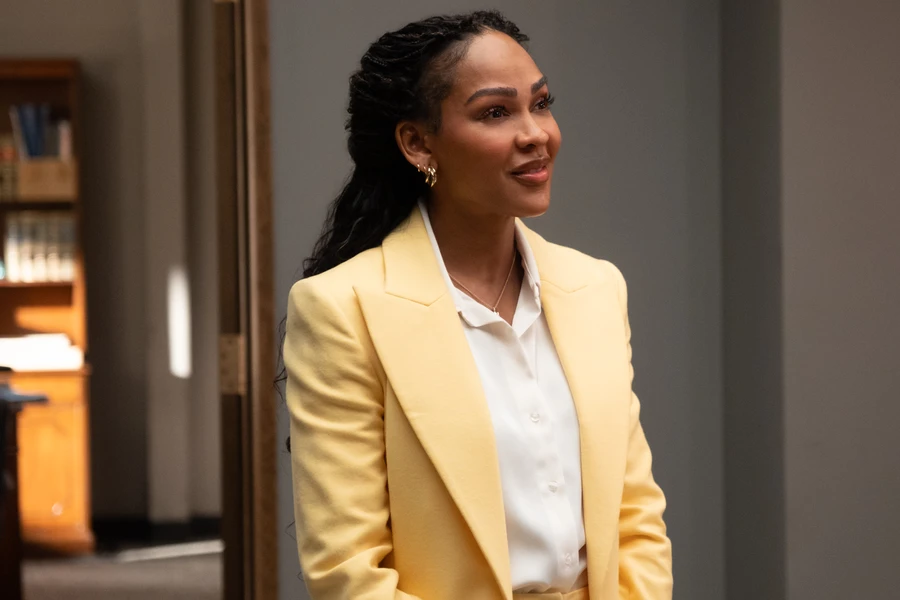
Reasonable Doubt, Hulu’s legal drama from creator Raamla Mohamed, with Kerry Washington serving as an executive producer, returned for Season 4 on October 6, 2026. The headline is Jax (actress Emayatzy Corinealdi) clawing her way back to the courtroom after a shooting. But underneath runs a quieter story I recognized in my body before my brain caught up. Regina Harris, the new DA (actress Meagan Good), is her mother’s only caregiver. Her mother is slipping, mind and body. And her sister won’t help.
I have been my mother’s primary caregiver for three decades, and I’ve practiced as a clinical social worker for just as long. So let me say plainly: this storyline deserves more credit than a “sympathy subplot.”
What Is Regina’s Caregiving Storyline?
Regina is sharp, warm, and focused. She takes over the high-profile prosecution of Eric Cropper (Durrell “Tank” Babbs), an R&B star and mogul with deep pockets who has relied on Jax for years. That puts two Black women at the top of their game across the aisle from each other in open court.
Then she goes home.
 At home, Regina is caring for her mother, Dorothy, by herself. Years ago, Dorothy let go of both of her girls (Regina and her sister Tatiana), and the show suggests they spent time in foster care. Tatiana never made peace with that. When Regina asks her to step up during the trial, Tatiana says no.
Meagan Good has described Regina as trying to “take care of her mother without any help.” That’s the storyline in eight words, and it’s the reality for many caregivers I know and have worked with.
Why Meagan Good Is the Right Person to Carry This
Good was just 14 when she acted in Eve’s Bayou, and that performance brought her an NAACP Image Award nomination. Harlem earned her another one in 2024, plus a Black Reel Award nod. She’s also directed. Regina has to be sharp enough to stand toe-to-toe with Jax and tired enough that you believe she hasn’t slept in weeks. Good plays both without announcing either.
Casting La’Myia Good, Meagan’s real-life sister, as Tatiana is not a gimmick. When those two argue about their mother, a lifetime of real sisterhood sits under the scene.
A Black Caregiving Story, Told From the Inside
Most caregiving stories on screen feature an older white spouse or a devoted adult child with a supportive family. Regina is a Black millennial woman in a high-stress, high-visibility job. That’s who is doing a huge share of this country’s caregiving, and it’s rarely who we see. AARP and the National Alliance for Caregiving’s Caregiving in the US 2025 counts 63 million family caregivers. Seven in ten caregivers of working age are also on the job, and the heaviest, most demanding care falls disproportionately on Black and Latino families.
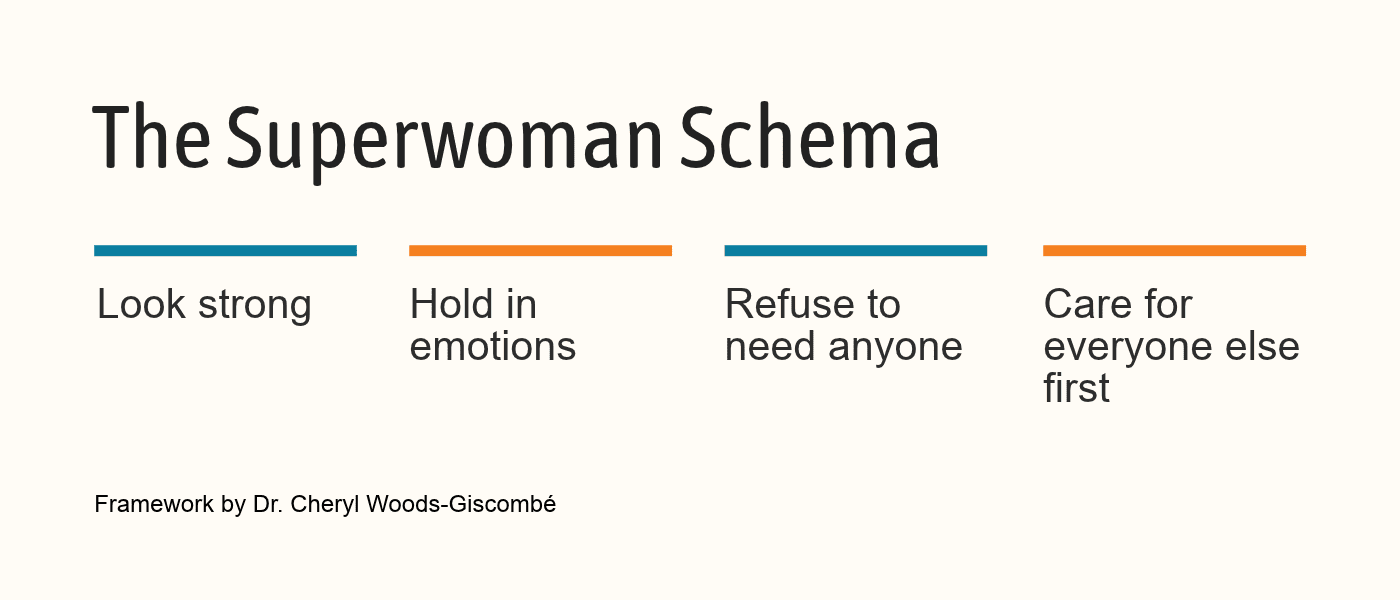
Here’s what I want you to sit with: Regina’s competence is the trap. Nobody asks the DA if she’s okay. Researcher Dr. Cheryl Woods-Giscombé named this the Superwoman Schema: the pressure to look strong, hold emotions in, refuse to need anyone, and take care of everyone else first. Regina checks every box. And a DA running the biggest trial of her career can’t let anyone in that courthouse see her mother as a weakness. So she carries it quietly, and the show lets you see the bill.
When Memory Goes Before the Apology Comes
The show doesn’t need a clinical label for viewers who’ve lived it to recognize what’s happening to Dorothy. The forgetting. The confusion. A mother who is present and somehow not.
That recognition matters. According to the Alzheimer’s Association, Black elders face roughly double the risk of Alzheimer’s and other dementias that their white peers do. Yet a majority of Black Americans see serious memory decline as something that simply comes with age, not as a disease. Too many of our families are told, or tell ourselves, that Mama is “just getting old.”
 But the storyline goes somewhere more painful than statistics. Regina wants something from her mother: an explanation, an apology, the love she didn’t get as a child. Memory loss closes that door slowly. Researcher and family therapist Dr. Pauline Boss calls this ambiguous loss: the person is still here in body, but the self you knew is leaving. For a daughter still hoping for repair, it’s a double loss: her mother, and the chance at the mother she never had.
The grief starts long before the goodbye.
The Sister Who Says No
It’s easy to cast Tatiana as the selfish sibling. Don’t. Tatiana is drawing a boundary around a wound. Regina’s decision to show up is shaped by that same wound. Both sisters are answering the same childhood, and neither is simply right.
In families, caregiving roles get assigned by old patterns, not fairness: the responsible one, the one who left, the one still waiting for Mom’s approval. When a family asks, “Who’s going to take care of Mom?” they’re often also asking, “What did Mom do to us?”
People caring for a parent who abandoned or harmed them are badly under-supported. For the clinicians reading: if your caregiver assessment doesn’t ask about the relationship before the decline, you’re missing half the picture.
Two Black Women, Two Very Different Safety Nets
Season 4 places Jax and Regina side by side. While Jax heals from a gunshot wound, Lewis barely leaves her hospital room, Mama Lu keeps the house running, and her friends take shifts with the kids. Regina has no one.
Same city. Same profession. Same pressure. The difference isn’t strength. It’s support. How a caregiving season goes depends far more on the network around a caregiver than on how tough she is, and watching these two women in parallel makes that plain.
Why Caregiving Belongs in Popular Media
- People can’t name what they never see. Many younger caregivers don’t call themselves caregivers; they’re “just helping Mom.” Seeing a Millennial DA in the role helps people recognize themselves, and that’s the first step toward asking for help.
- It moves memory loss into the living room. Stigma loses power when a storyline gets families talking.
- It gives language to complicated families. Regina’s story makes room for caregiving that is love, resentment, and obligation tangled together.
Why does it matter that this is a Black caregiving story? Black caregivers often provide more intensive care while working, and older Black Americans face higher dementia risk along with barriers to diagnosis and culturally competent care. Seeing that on screen helps caregivers recognize themselves and seek support.
Questions to Sit With After You Watch
- What do we owe a parent who didn’t take care of us?
- Is Regina’s caregiving love, duty, or a bid to finally be chosen? Can it be all three?
- Is Tatiana’s refusal abandonment, or self-protection?
- What would it take for Regina to ask for help, and who would she even ask?
Caregiver Action Network provides education, resources, and support to family caregivers nationwide. Visit www.caregiveraction.org to learn more. If you’re figuring out how to share care or find support, call Caregiver Action Network’s Caregiver Help Desk at 855-227-3640.