What the Nancy Guthrie Case Reveals About Long-Distance Caregiving
What the Nancy Guthrie Case Reveals About Long-Distance Caregiving
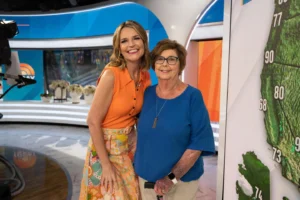
NBC, via Getty Images
The disappearance of Nancy Guthrie — the 84-year-old mother of *Today* show host Savannah Guthrie — has sparked a national conversation about the very real fears and challenges of long-distance caregiving. This HuffPost article uses the high-profile case as a springboard to offer practical guidance for the more than 10% of family caregivers who live an hour or more away from their loved ones.
Experts weigh in on how caregivers can use technology (motion sensors, doorbell cameras, wearable pendants), home safety assessments, and community networks to support aging loved ones and reduce risk — while acknowledging that no system is foolproof.
Caregiver Action Network’s CEO Marvell Adams Jr. is featured prominently throughout the article, drawing on both professional expertise and personal experience as a former long-distance caregiver for his own mother:
On the core fear of long-distance caregiving:
“The biggest scare that I had as a long-distance caregiver, and I hear from others, is missing out on that moment when you are critically needed, and it becomes a life-changing event.”
On the power of technology:
Adams shared that if he could do it over again, he would have set up motion sensors in his mother’s home rather than relying on a wearable device — noting it’s more “foolproof” — and would have arranged phone call alerts to notify family members automatically.
On building community circles of care:
Adams emphasized that neighbors can be caregivers without even realizing it, saying that when you’re being a good neighbor, you’re also “allowing this person to thrive and live independently longer than they would have otherwise, because you are cutting their grass for them, and because you are bringing their mail in or delivering a meal every once in a while.”
Read more on HuffPost: Nancy Guthrie’s Disappearance Highlights A Common Issue For People With Aging Parents — And We Don’t Talk About It Enough
—
Trustworthy tech that can help: Nomo Smart Care is the first fully digital, privacy-first proactive virtual caregiving solution designed to help families protect their loved ones while maintaining their independence and dignity. Their discreet motion-sensing technology empowers aging adults, individuals with special needs, and those recovering from illness to live confidently, without cameras, microphones, or invasive monitoring. Through a user-friendly app, Nomo Smart Care provides 24/7 customizable alerts, automatic fall detection, and real-time notifications about unusual routines or potential risks. With Nomo, families can support their loved ones from anywhere, ensuring safety, peace of mind, and an improved quality of life. They’re not just a safety system; they’re a proactive partner in independent living.
Learn more at www.NomoSmartCare.com.