Putting Caregivers at the Center of AI Innovation
Putting Caregivers at the Center of AI Innovation
 Caregiver Action Network joins OpenAI Academy, the Alzheimer’s Association, the American Diabetes Association, and community partners to bring practical AI education to caregivers across five cities.
Caregiving involves a constant balancing act: coordinating appointments, managing schedules, navigating health information, finding community resources, and making sure the needs of a loved one don’t get lost in the shuffle.
As artificial intelligence becomes an increasingly common part of everyday life, caregivers need opportunities to understand how these tools work, where they can be useful, and how to use them safely and responsibly.
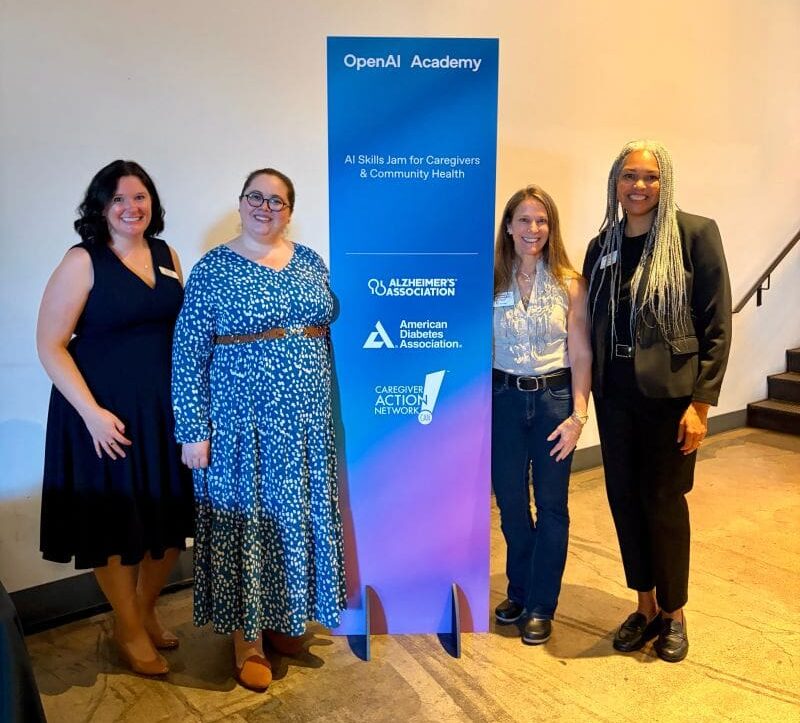
On November 10, Caregiver Action Network joined OpenAI Academy, the Alzheimer’s Association, and the American Diabetes Association for the AI Skills Jam for Caregivers & Community Health, a nationwide series of free, hands-on workshops held simultaneously in five cities: Atlanta, Detroit, Oakland, Pittsburgh, and Tampa.
Across these five locations, CAN and its partners engaged nearly 600 caregivers, creating opportunities to build practical AI skills, connect with community resources, and explore how technology might help make the everyday responsibilities of caregiving more manageable.
Putting AI Skills into the Hands of Caregivers
The AI Skills Jam was designed to make AI approachable and useful, particularly for people who may be new to tools like ChatGPT. Participants received guided instruction, worked through practical exercises, and learned alongside OpenAI facilitators, mentors, community organizations, and fellow caregivers.
Rather than focusing on technical skills or coding, the workshops explored everyday applications that could help caregivers and the organizations supporting them, including:
- Care coordination: Organizing caregiving schedules, responsibilities, and checklists.
- Information access: Turning trusted educational resources into clear, plain-language information.
- Resource navigation: Identifying community-based services and support.
- Peer support: Developing discussion guides and resources for caregiver support groups.
An equally important part of the experience was understanding AI safety and responsible use. Participants discussed protecting personal and health information, evaluating information generated by AI, and recognizing when to turn to qualified professionals.
The workshops focused on nonclinical applications. AI can help organize information and support everyday caregiving tasks, but it does not replace healthcare professionals or provide a substitute for qualified medical guidance.
Five Cities. One Shared Opportunity to Explore AI.
With CAN teams and partners on the ground in all five cities, the day connected national conversations about AI and caregiving with the needs, experiences, and perspectives of local communities.
Local organizations, community-based partners, members of CAN’s Caregiver Innovation Council, and representatives of the Elizabeth Dole Foundation helped bring additional expertise and lived experience to the events.
Atlanta, Georgia
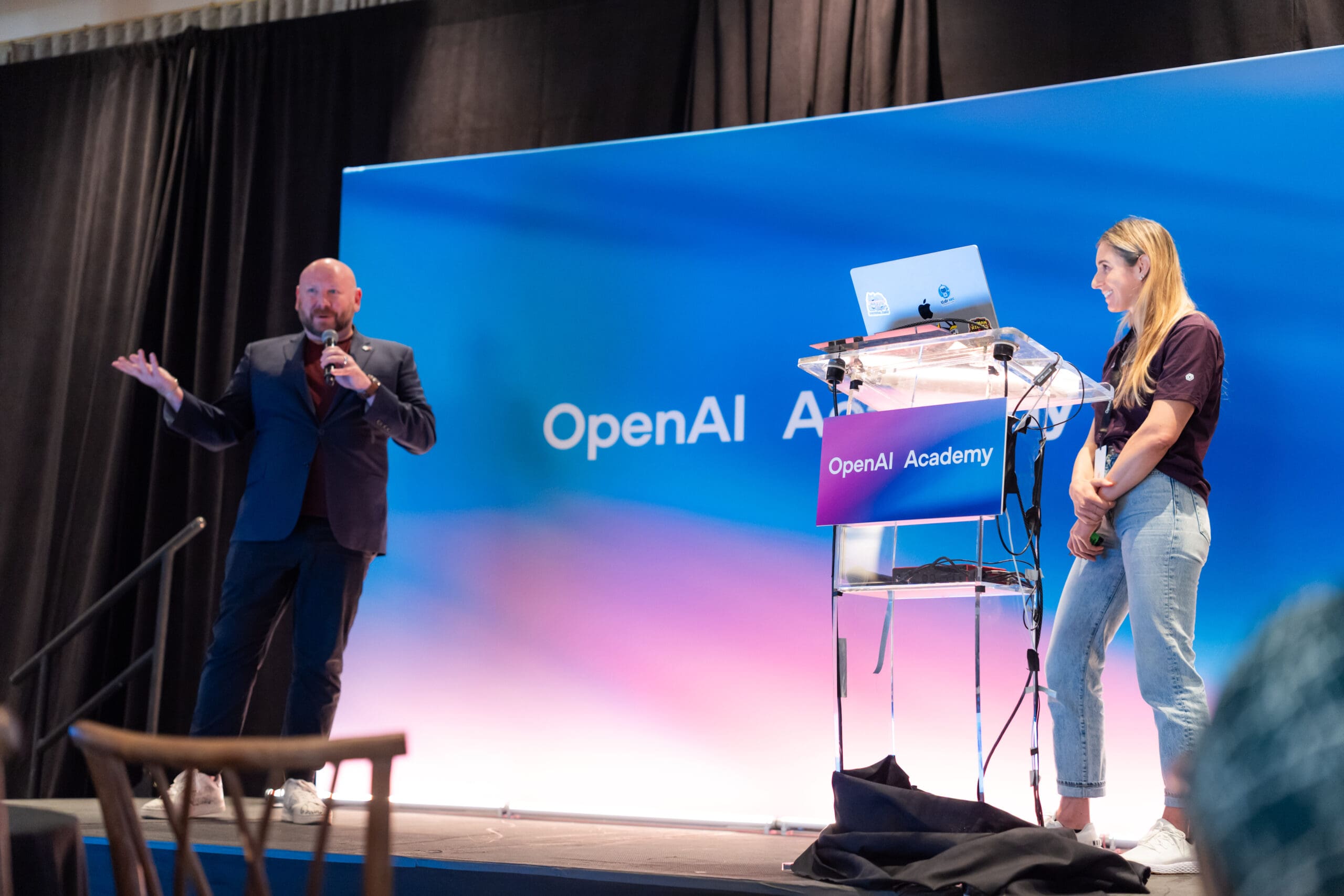
Representing CAN in Atlanta was Chance Browning, Chief Operating Officer, who joined caregivers and community partners for a hands-on exploration of how ChatGPT can support everyday caregiving responsibilities, improve access to information, and help organizations better serve the families who rely on them.
Detroit, Michigan
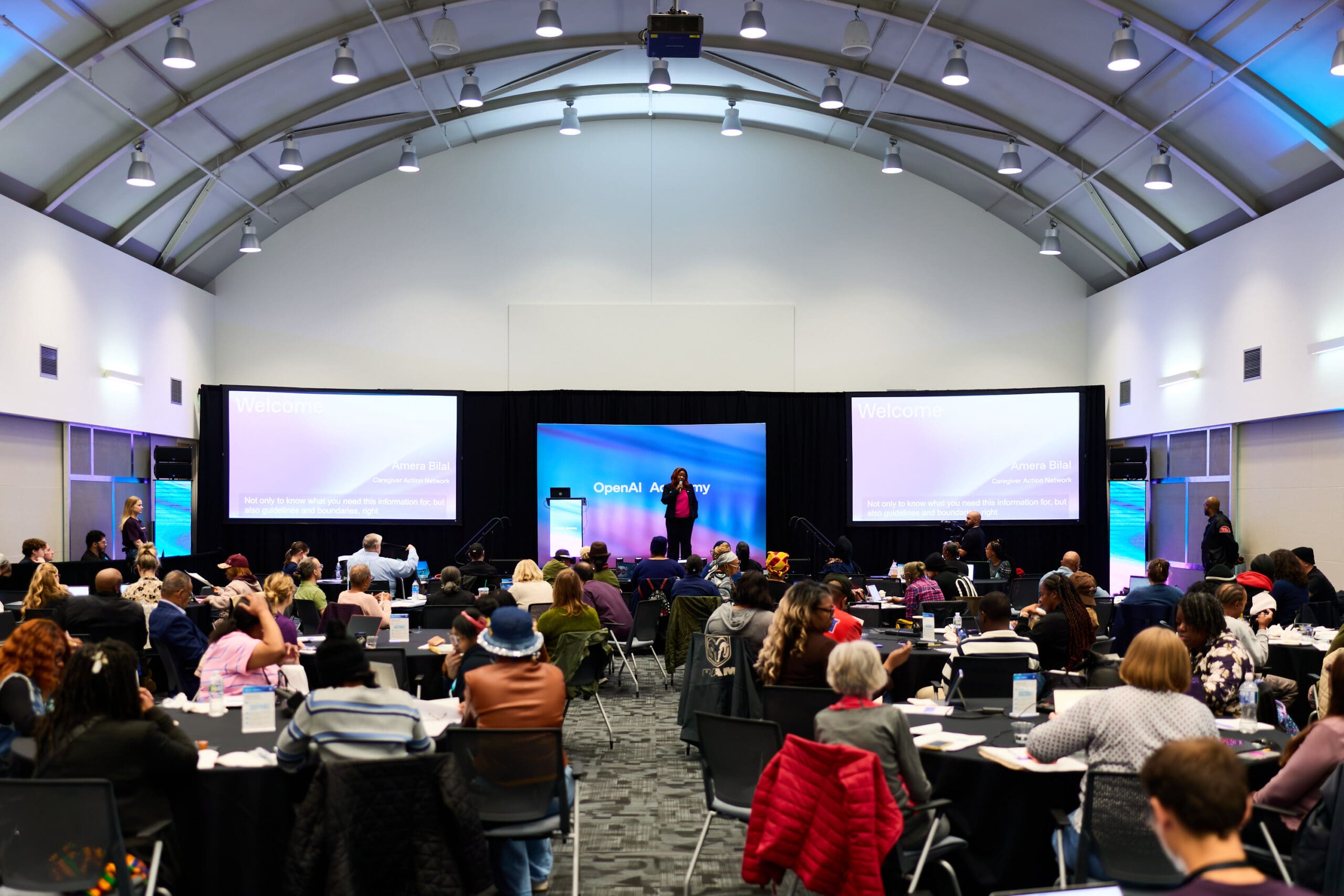
In Detroit, Amera Bilal, Vice President of Programs & Policy, represented CAN, connecting with caregivers and community partners as they explored practical applications for AI in caregiver education, resource navigation, and community support.
Oakland, California
In Oakland, Allison Borthwick, Director of Communications & Digital Media, joined the local training, helping bring CAN's perspective on accessible information, communication, and the evolving role of technology in supporting caregivers.
Pittsburgh, Pennsylvania
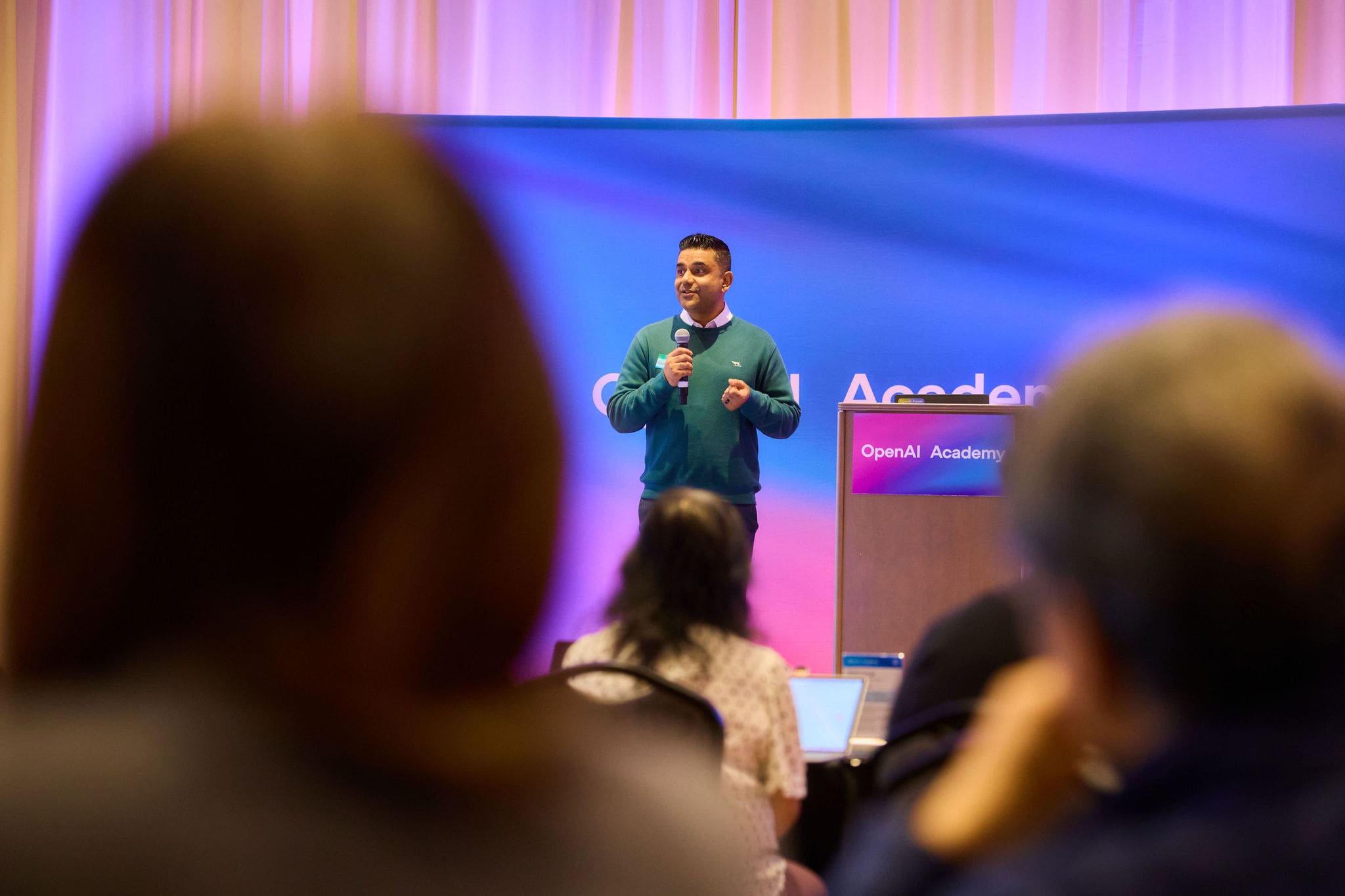
CAN was represented in Pittsburgh by Neerakar Uprety, Vice President of Finance, and Ali Madad, Caregiver Innovation Council Advisor. Their participation brought additional organizational and caregiver perspectives to conversations about how emerging technologies can better address the practical needs of families navigating care.
Tampa, Florida
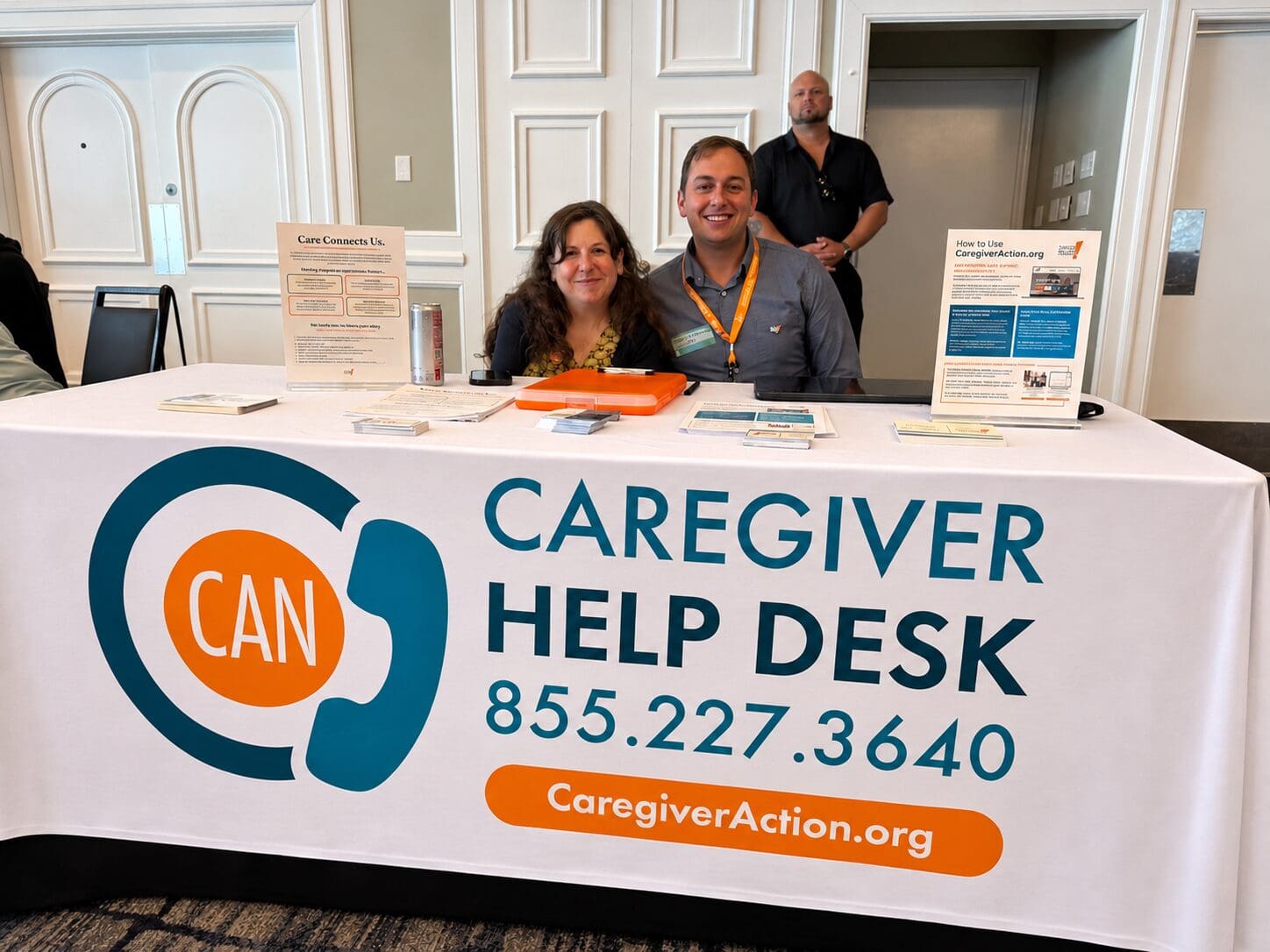
In Tampa, Nichole Goble, Director of Community Initiatives, and Martin Stanimirov, Program & Community Manager, joined caregivers and local partners for hands-on learning and conversations about how AI can complement existing community resources and help families navigate the many responsibilities that come with caring for a loved one.
Keeping Caregivers at the Center of Innovation
The AI Skills Jam reflects an important opportunity: ensuring caregivers are not simply observers of technological change, but active participants in shaping how new tools are introduced, understood, and used.
OpenAI estimates that more than 40 million weekly ChatGPT messages about healthcare in the United States ask about healthcare for someone other than the person asking. This highlights the significant role caregivers already play in seeking and organizing information for the people they support.
As OpenAI noted in its announcement, the goal is to help caregivers spend less time organizing schedules and searching for information and more time focused on the people they care for.
For CAN, that opportunity must be grounded in responsible innovation, trusted information, privacy, and human connection. Technology should strengthen the support available to caregivers—not replace the relationships, expertise, and community resources they depend on.
This work also builds on CAN's commitment to responsible AI through The Humanity Baseline: CAN's Framework for Responsible AI in Caregiving, which emphasizes human choice and dignity, trusted information, privacy, co-design, and accountability.
The conversations and experiences from these five events offer an important starting point for continued learning. By bringing caregivers, technology leaders, national organizations, and local community partners together, we can better understand where AI can make a meaningful difference—and where human support remains essential.
Ultimately, innovation in caregiving should begin with the people who know caregiving best. Their experiences, perspectives, and needs must help shape the tools and solutions intended to support them.
Read More from OpenAI: OpenAI: Helping Caregivers Use AI in Everyday Life
Reach out to the National Caregiver Help Desk to connect with a human: 855-227-3640, or chat with a human at CaregiverAction.org.