What is a Caregiver?

You might already be a caregiver—here’s what that can look like

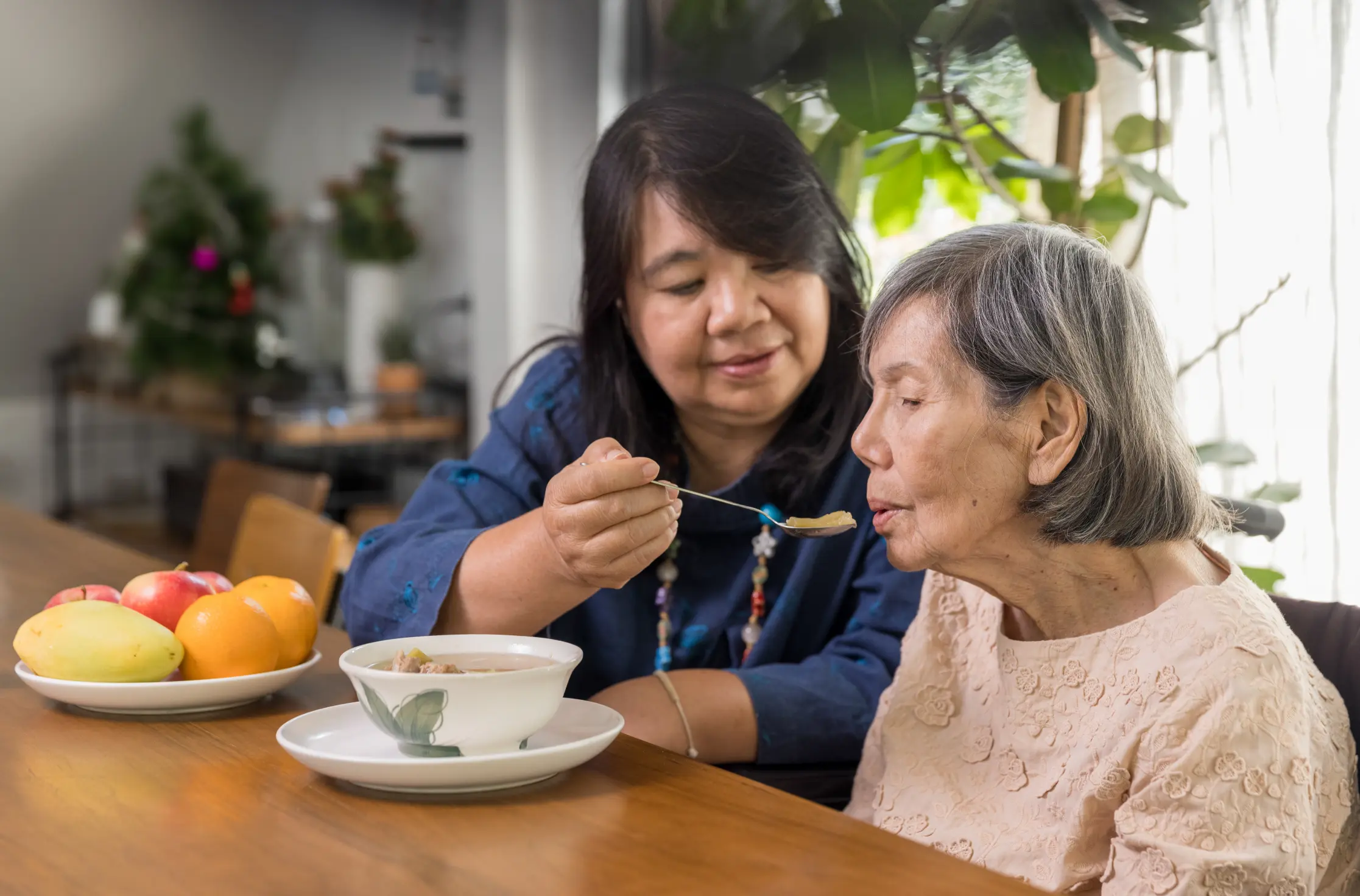
A caregiver is anyone who helps another person manage their health, daily needs, or overall well-being—often without pay. You might be a caregiver if you:
  • Help a family member, partner, friend, or neighbor with everyday tasks
  • Coordinate or attend medical appointments
  • Manage medications or health-related needs
  • Provide emotional support, check-ins, or advocacy
  • Assist with household responsibilities or transportation
  • Step in regularly because someone relies on you
If you see yourself in any of these roles, you can identify as a family caregiver—even if you’ve never used that term before. Caregiving looks different for everyone, but every caregiver plays a vital role and deserves recognition and support.


The Caregiver’s Role

As our loved ones age, many will face a combination of chronic conditions, mobility changes, cognitive shifts, sensory decline, or multiple health challenges. Caring for an older adult often involves balancing medical support, daily living help, safety modifications, emotional companionship, and planning for transitions. Given the complex nature of aging, caregivers benefit from both practical tools and policy-level supports.

aging

Top 3 Things Caregivers Should Know

Care Needs Can Be Multifaceted and Variable

Older adults frequently have more than one health condition—diabetes, heart disease, arthritis, cognitive impairment, vision or hearing loss. Caregivers often must manage complex medication regimens, coordinate multiple providers, respond to acute changes, and adapt to evolving functional abilities.

Preventing Crisis Through Planning & Support Is Key

Proactively arranging home safety modifications, care transitions, advance planning (legal, financial, health), and building a support network helps avoid unnecessary hospitalizations or caregiving overload.

Caregivers Must Care for Themselves, Too

Long-term caregiving can lead to stress, burnout, social isolation, and health decline. Taking breaks (respite), seeking peer support, using navigation services, and setting realistic boundaries are essential for sustainability.

Caregiving Resources

Partner Resources

  • USAging:

    > Caregiver Supports & ServicesUSAging supports Area Agencies on Aging (AAAs) and the Aging Network to deliver services like respite care, caregiver education, counseling, emergency assistance, and caregiver navigation programs.

    > Caregiver Navigation Efforts to help caregivers access the right services at the right time.

    > Caregiver Services & Supports Innovations Hub Repository and exchange of promising programs across the aging network.

  • ARCH National Respite Network and Resources Center: ARCH helps develop respite programs, locate respite providers, and provide training and resources.

    > National Respite Locator Service A tool to find respite services in your state/local area.

    > ARCH Respite Resource Library Respite planning, adult day services info, links to caregiver tools.

  • National Family Caregiver Support Program (NFCSP): ACL Administration for Community Living — A federal program under the Older Americans Act that supports caregivers of older adults by funding services such as education, respite, counseling, and supplemental services.
  • National Institute on Aging’s “What is Respite Care?” — Short-term relief for caregivers is a critical lifeline. Respite may take place in-home, through adult day centers, or overnight stays in facilities.

Explore Your Community Support Options

Personalized Guidance from Caregiving Experts

Personalized Guidance from Caregiving Experts

Available Monday-Friday from 8am – 7pm ET, our experts are ready with the personalized support, guidance, and assistance you need and deserve–for as long as you need it.

(855) 227-3640

24/7 Access to Hundreds of Helpful Resources

24/7 Access to Hundreds of Helpful Resources

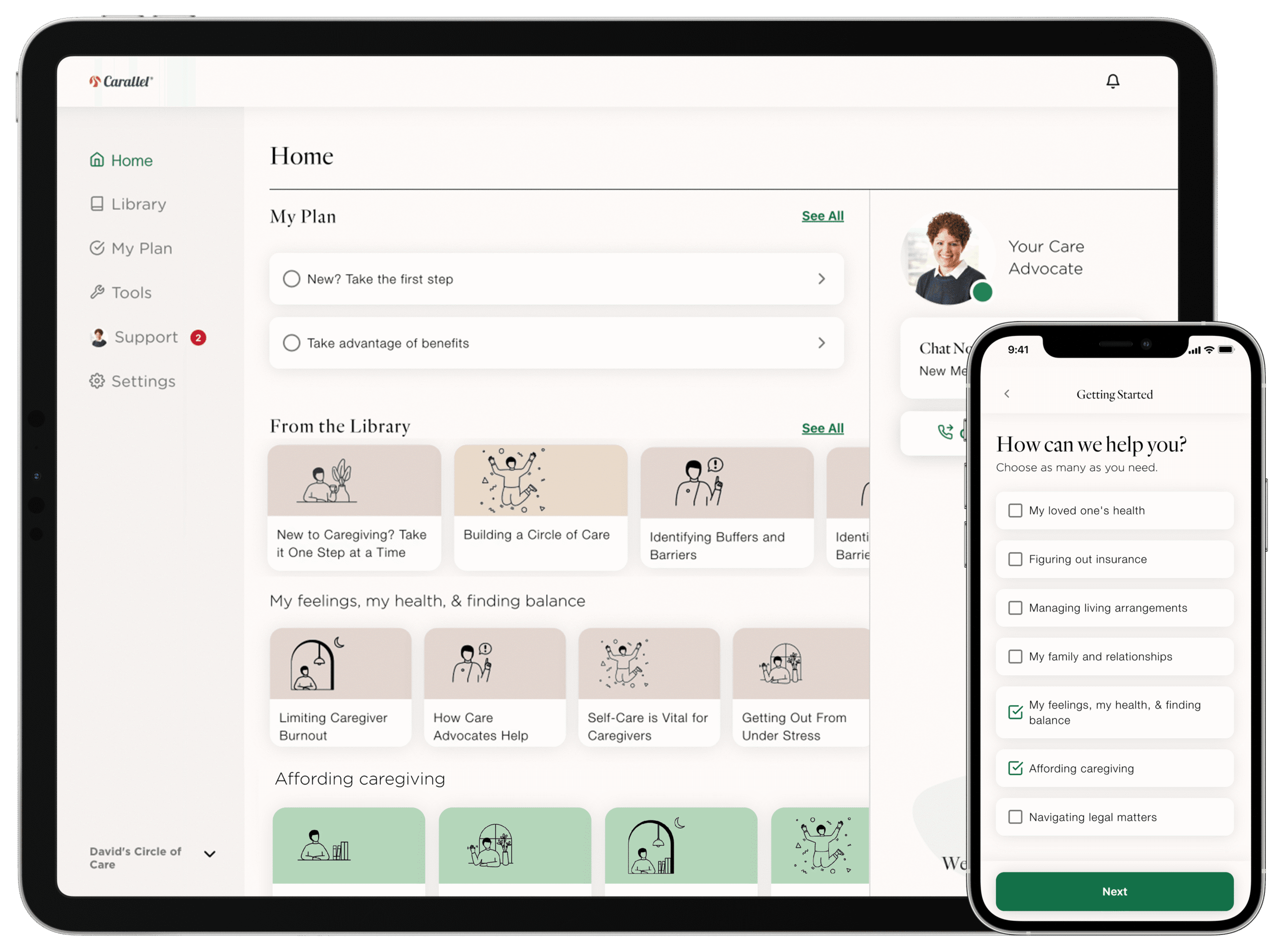
The National Caregiver Help Desk App, powered by Carallel, is full of bite-sized resources crafted to help you build skills, validate what you’re feeling, and help you get stuff done.

Use Access Code: CAN

Connection & Community with Other Caregivers

Expert-Led Virtual Fireside Chats

These 30-minute virtual fireside chats address the complex and often difficult topics encountered by caregivers. Sessions are led by Matt Perrin, Carallel’s Director of Caregiver Engagement, and Sheila Schultz, a Carallel Care Advocate.

Community with Other Caregivers

Community With Other Caregivers

Through CAN, Carallel Support Groups give you a place to ask questions, feel understood, and build confidence in your caregiving journey. Access is simple and available when you need it.

Certified Listeners

Connect with Certified Listeners

Looking for someone who really gets it? Get matched with trained listeners who share your lived experience—whether that’s caring for someone with Alzheimer’s, cancer, or another chronic condition.

Facebook Support Group for Caregivers

Online Support Group on Facebook

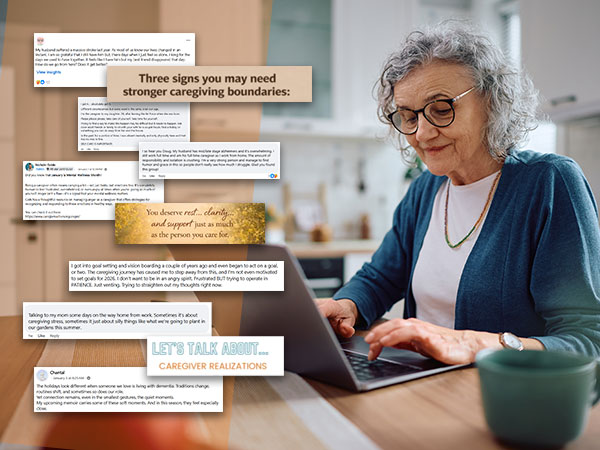
Join our caregiver community on Facebook to connect with thousands of peers in a welcoming, supportive space.
Ask questions, share experiences, and receive advice any time of day.

We’re meeting caregivers where they are—giving you choices for how you want to connect, whether through expert advice, peer-to-peer empathy, or live support groups.