What is a Caregiver?
You might already be a caregiver—here’s what that can look like
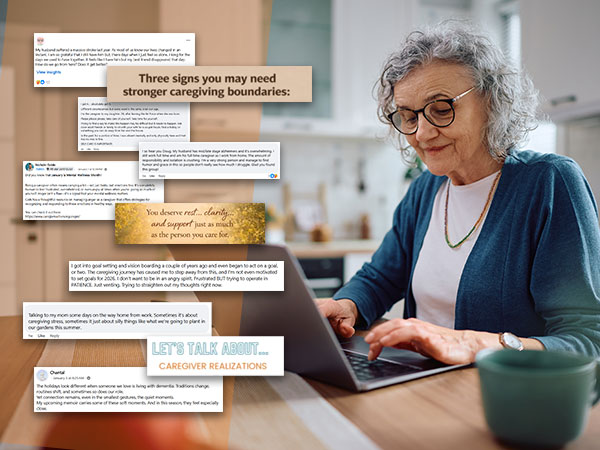
A caregiver is anyone who helps another person manage their health, daily needs, or overall well-being—often without pay. You might be a caregiver if you:
-
Help a family member, partner, friend, or neighbor with everyday tasks
-
Coordinate or attend medical appointments
-
Manage medications or health-related needs
-
Provide emotional support, check-ins, or advocacy
-
Assist with household responsibilities or transportation
-
Step in regularly because someone relies on you
If you see yourself in any of these roles, you can identify as a family caregiver—even if you’ve never used that term before. Caregiving looks different for everyone, but every caregiver plays a vital role and deserves recognition and support.

The Caregiver’s Role in ALS
Amyotrophic Lateral Sclerosis (ALS) is a progressive neurodegenerative disease that affects muscle control, mobility, speech, and eventually breathing. As the disease advances, family caregivers play a crucial role in providing daily assistance, coordinating medical care, and ensuring quality of life. Because ALS caregiving demands change rapidly over time, caregivers often need ongoing support, training, and resources to meet both their loved one’s and their own needs.