Caregivers in Context: Hacks and the Challenge of Shared Decision-Making
Caregivers in Context: Hacks and the Challenge of Shared Decision-Making
By Chance Browning
Chief Operations Officer
SPOILER ALERT: This article contains major spoilers for the series finale of Hacks on HBO Max.
The series finale of HBO Max’s Emmy-winning comedy-drama Hacks surprised audiences by taking one of television’s sharpest comedies into deeply emotional territory: serious illness, mortality, caregiving, and the difficult conversations that emerge when someone we love faces a life-altering diagnosis.
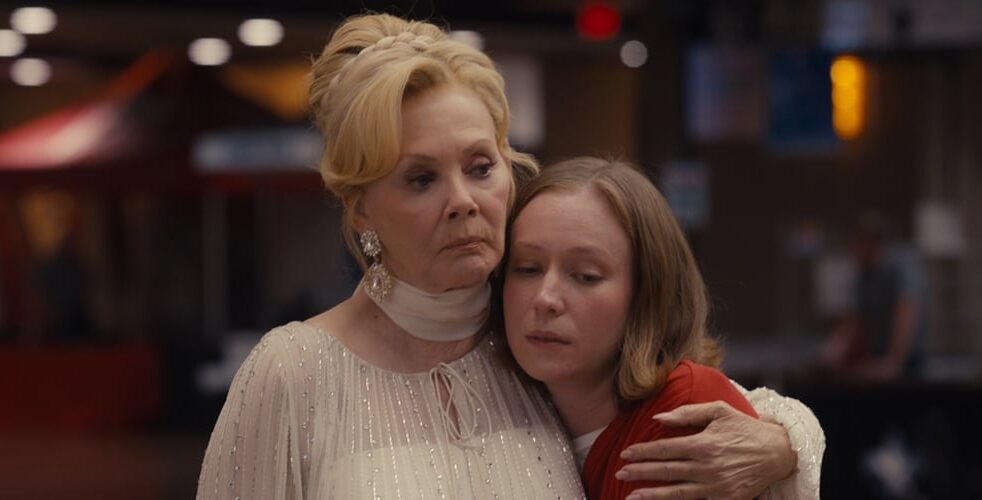
Created by Lucia Aniello, Paul W. Downs, and Jen Statsky, Hacks followed the evolving relationship between legendary comedian Deborah Vance (Jean Smart) and writer Ava Daniels (Hannah Einbinder) across five seasons. What began as a reluctant professional partnership transformed into one of television’s most compelling portrayals of chosen family, mutual dependence, and profound emotional connection.
In the series finale, Deborah reveals that her cancer has returned and spread. Faced with a devastating diagnosis, she initially decides not to pursue treatment and instead plans to travel to Switzerland to pursue a legally available end-of-life option. Ava strongly opposes the decision, urging Deborah to consider treatment and additional time. What follows is not simply a debate about medicine—it is a deeply human exploration of autonomy, caregiving, grief, fear, hope, and the challenge of loving someone whose choices may differ from our own. Ultimately, Deborah decides to continue living and pursue treatment, returning to her creative partnership with Ava. The episode centers on questions many caregivers and families face every day: How do we support someone we love while honoring their right to make their own decisions? And how do we cope when those decisions are not the ones we would choose?
When Caregiving Doesn’t Look Like Family
One of the most powerful aspects of Hacks is that Ava and Deborah are not related.
They are not mother and daughter. They are not spouses. They are not connected by blood.
Yet by the end of the series, they function in many of the ways caregivers and care recipients often do: advocating for one another, providing emotional support, helping navigate life-changing decisions, and bearing witness during moments of vulnerability.
Their relationship serves as an important reminder that caregiving is not defined by family trees. Across America, millions of caregivers are friends, neighbors, partners, coworkers, and members of chosen family networks. They show up not because of obligation, but because of love, commitment, and shared history.
For many caregivers, those chosen-family relationships can become especially important during serious illness, when emotional support and practical assistance are needed most.
Shared Decision-Making Is About More Than Medical Decisions
Healthcare conversations often focus on a patient’s right to make decisions about their own care. That principle is critically important.
At the same time, serious illness rarely affects only one person.
When Deborah tells Ava about her plans, Ava’s reaction reflects something many caregivers experience: the realization that a loved one’s healthcare decision will profoundly affect their own life as well.
Shared decision-making is a collaborative process that allows patients, caregivers, and healthcare professionals to discuss options, goals, values, risks, and preferences together. It does not mean caregivers make decisions for someone else. Rather, it creates space for everyone affected by a diagnosis to participate in honest conversations.
In Hacks, Ava struggles because Deborah’s decision appears final. Ava wants Deborah to explore every available option before making a choice. Deborah, meanwhile, is focused on maintaining control over her life and future.
Neither perspective is unusual.
Caregivers frequently wrestle with competing emotions:
- Respecting a loved one’s autonomy while hoping they choose differently.
- Supporting decisions they may not personally agree with.
- Balancing hope with realism.
- Preparing for loss while still seeking possibilities for treatment and quality of life.
These tensions are often part of the caregiving journey- but not one that goes from point A to point B; the path evolves and may include any number of detours. Hacks demonstrates this point perfectly, when the plan changes; Deborah ultimately decides to go through treatment.
Shared decision making is a process where things may change based on unforeseen factors – requiring patience, flexibility, empathy, and understanding.
The Real-World Factors That Influence Healthcare Decisions
The finale also highlights an important reality: healthcare decisions are rarely made in a vacuum.
In real life, treatment choices are often shaped by circumstances that extend far beyond medical recommendations.
Caregivers and families may need to consider:
- Distance from treatment centers or specialty providers.
- Transportation challenges.
- Time away from work.
- Lost income or reduced employment opportunities.
- Out-of-pocket healthcare expenses.
- Housing needs during treatment.
- Family responsibilities.
- Emotional and mental health impacts.
A person facing cancer may be evaluating not only treatment outcomes, but also the practical realities of what treatment requires from themselves and those around them; part of this involves considering quality of life.
“How will continuing or starting a treatment have on how I feel, and do the pros of any benefits outweigh the cons?”
Deborah has clearly thought this through and shares how it has informed her decision. One of the reasons having your loved one as involved as possible in healthcare decisions is that, as caregivers, this perspective is incredibly personal and only something they can really provide.
For caregivers, these considerations can create significant stress and uncertainty. Financial concerns, work responsibilities, and caregiving obligations often become intertwined with medical decisions.
Recognizing these realities does not diminish the importance of treatment. Instead, it underscores why open communication and shared decision-making are essential.
Why Clinical Trials and Emerging Treatments Matter
One of the most important conversations that can happen following a serious diagnosis is a discussion about all available options.
For many patients, that includes emerging therapies and clinical trials.
Clinical trials play a critical role in advancing medical knowledge and creating new treatment opportunities. Depending on an individual’s diagnosis and circumstances, participation in a clinical trial may provide access to innovative approaches that are not yet widely available.
Caregivers often serve as essential partners in this process. They help gather information, coordinate appointments, ask questions, evaluate risks and benefits, and provide emotional support throughout the experience.
Caregiver Action Network offers a resource specifically designed to help caregivers navigate this process: Supporting a Loved One in a Clinical Trial
Exploring treatment options does not guarantee a particular outcome. However, having complete information can help individuals and families make decisions that align with their values, goals, and circumstances.
Talking About End-of-Life Choices with Care and Respect
The finale also invites viewers to reflect on conversations surrounding end-of-life decision-making.
Language matters, and language is always evolving.
Organizations focused on end-of-life options increasingly encourage the use of person-centered terms such as “medical aid in dying” or “physician-assisted death/ dying” where legally applicable, rather than stigmatizing or outdated language. These conversations involve complex ethical, legal, medical, cultural, and personal considerations, and experiences vary widely from person to person.
And yes: while these phrases are “preferred,” they may not be universally-used – and some of those outdated terms may still pop up.
For caregivers, discussions about end-of-life wishes can be emotionally overwhelming.
Many caregivers describe feelings that include:
- Anticipatory grief.
- Fear.
- Anger.
- Confusion.
- Guilt.
- Sadness.
- Relief.
- Love.
It is possible—and common—to feel several of these emotions simultaneously.
Ava’s resistance reflects a reality many caregivers understand: sometimes the hardest part is not making a decision, but accepting that a loved one has the right to make one.
Grieving Before Loss Occurs
One of the most striking aspects of Ava’s journey is that she begins grieving before anything has actually happened.
This experience, often called anticipatory grief, occurs when caregivers begin mourning a potential loss before it occurs.
Anticipatory grief can affect concentration, sleep, work performance, relationships, and emotional well-being. It can leave caregivers feeling isolated, exhausted, and overwhelmed.
Caregivers experiencing these emotions should know they are not alone.
Planning Is an Act of Care
One lesson that emerges throughout the finale is that planning matters.
While conversations about serious illness and mortality can be uncomfortable, discussing wishes early often reduces uncertainty and conflict later.
Important planning conversations may include:
- Advance directives.
- Healthcare powers of attorney.
- Financial planning.
- Long-term care preferences.
- Palliative care options.
- Hospice care considerations.
- Legacy and end-of-life wishes.
These discussions can help ensure that a person’s values and preferences are understood while also providing guidance and reassurance for caregivers. Caregiver Action Network offers resources and support to help family caregivers navigate grief, emotional stress, and the challenges that often accompany serious illness and end-of-life planning.
Helpful tools include:
- The National Caregiver Help Desk
- Advance Directives: Essential Healthcare Planning Tools
- Grief for Family Caregivers: Understanding Anticipatory Grief
- Complicated Grief in Caregiving: Signs, Support & Recovery Stories
- Navigating Caregiver Grief: Support & Coping Strategies During Challenging Times
- Relief After Caregiving Ends: Managing Grief, Guilt, and Healing
- Refueling After Caregiving: Self-Care, Grief, and Recovery
- Life After Caregiving: Support, Grief, and Moving Forward
- Life After Caregiving: A Guide to Rediscovering Yourself
The Lasting Lesson of Hacks
At its heart, Hacks has always been a story about relationships.
The finale reminds us that caregiving often exists in the space between love and acceptance. We want more time. We want different outcomes. We want the people we love to choose what feels safest, most hopeful, or most comfortable to us.
But caregiving also asks something difficult of us: to listen.
To advocate.
To ask questions.
To explore every available option.
And ultimately, when appropriate, to respect a loved one’s right to make decisions about their own life and care.
For caregivers facing serious illness alongside someone they love, that balance can be extraordinarily difficult.
Ava and Deborah’s story may be fictional, but the questions it raises are deeply real.
How do we support someone when we disagree with their decision?
How do we prepare for loss while still making room for hope?
And how do we continue loving someone through choices we may never fully understand?
For millions of caregivers, those questions are not television storylines.
They are everyday realities.
And no one should have to navigate them alone.
If you are caring for someone facing a serious illness, Caregiver Action Network offers resources, education, and support for every stage of the caregiving journey. Visit CaregiverAction.org to learn more or contact the National Caregiver Help Desk at 855-227-3640 to talk to someone who understands and can help.