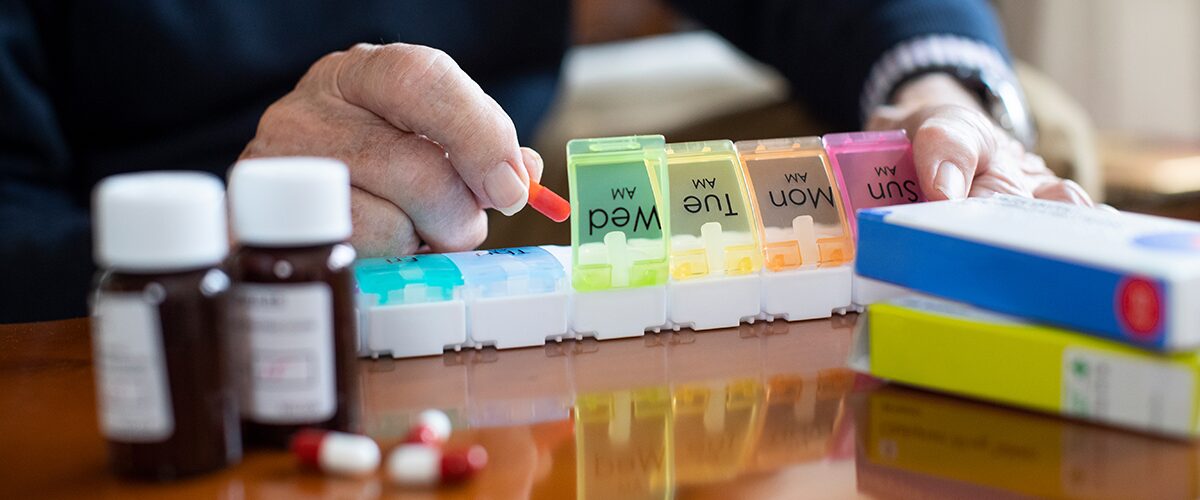
References What are the medication issues related to cancer? People with cancer often take many medications both for their cancer as well as for other chronic health problems. Following the doctor’s orders can be hard when some need to be taken with food, some without, some in the morning, some at bedtime, some [...]
References What can I do to make the patient’s home safe? Patients with cancer often have health-related problems that make safety important. Side effects from treatment such as weakness, pain, and numbness in legs and feet all can contribute to falls. There is an increased tendency for cancer patients to fall. Most homes [...]
References What should I prepare for? People with cancer sometimes have serious, even life-threatening unexpected events. These can be caused by the disease or treatment. You are less likely to be surprised by emergencies if you’ve learned about the person’s illness and know what to expect and what to watch for. You’re also [...]
References Why is it important to exercise now? Exercise is important for good health. Just a few minutes of activity a day can improve your overall well-being. It can give you more energy, reduce stress, and lift your mood. It can also decrease your risk of heart disease, colon cancer, diabetes, osteoporosis, and [...]
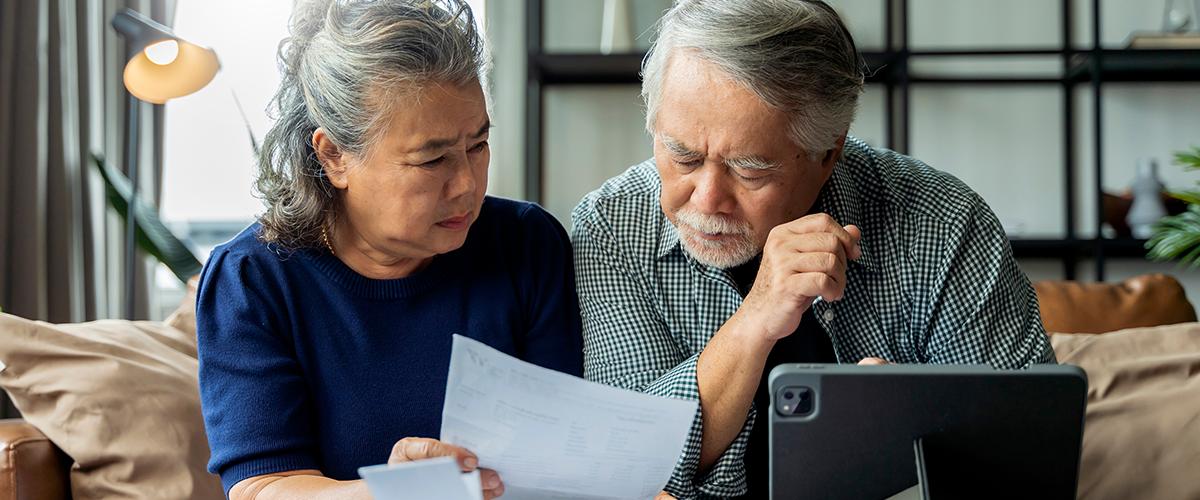
References What are some financial issues related to cancer care? Cancer can be a huge financial burden on families, and money can be a major concern. Many treatment-related costs are not covered by insurance. You may also have additional non-medical expenses like transportation, in-home care, or childcare. And, both you and the person [...]
References Why do I need to think about my own health now? Caregivers often brush aside their own needs. They tend not to go to the doctor as often as they should, and many do not get the preventative care that they need. Caregivers should especially go to the doctor on a regular [...]
References What are caregiver loneliness and isolation? Isolation happens when a person does not spend time with other people enjoying themselves. Caregivers have a lot to do, and this often takes them away from their usual connections with family and friends. There are bills to pay, people to call, direct care to provide, [...]
References How can caregiving affect my work? Many people find it hard to balance work and caregiving. Medical appointments for the patient and other tasks of care can interrupt your work day. You may be sleeping poorly or distracted by feelings of fatigue, uncertainty and fear, anger, depression, or anxiety. You may find yourself working less hours or not as [...]
References What is caregiver fear and uncertainty? Uncertainty is the inability to know what will happen in the future. Cancer and cancer treatment can be scary and unpredictable. Feelings of fear and uncertainty can be triggered by not knowing how the disease will impact the patient and family physically, emotionally, and financially or [...]
References What is caregiver anxiety? Anxiety is a feeling of uneasiness, discomfort, or impending doom. It is common for people taking care of someone with cancer to experience anxiety. It can be caused by a loss of control, fear for the patient’s well-being, worry over family finances, uncertainty about the future, and feelings of being overwhelmed. Caregivers [...]







Copyright © 2026, National Family Caregivers Association DBA Caregiver Action Network. All Rights Reserved.
Privacy Policy