A Caregiver Action Network Resource Caring for Rare Disease Caregivers Rare diseases can make caregiving especially complex. You don’t have to navigate it alone. When your loved one has a rare disease, you may be coordinating specialists, searching for answers, managing daily care, and facing the unknown. We’re here to [...]
A Caregiver Action Network Resource Help for Cancer Caregivers Caring for someone with cancer? Find the information and support you need. Cancer caregiving can change from one day to the next. Whether you’re navigating a new diagnosis, treatment, appointments, daily care, work, emotions, or what comes next, Help for Cancer Caregivers brings practical information [...]
Caring for someone with transthyretin amyloidosis (ATTR) can feel overwhelming, especially in the early stages when the condition is still unfamiliar and the path forward is unclear. Many caregivers find themselves navigating a complex medical landscape while also processing the emotional weight of a serious diagnosis. This course is designed to help you better [...]
This guide is for spouses/partners, adult children, friends, and other unpaid caregivers supporting a Veteran or military-affiliated loved one with bladder cancer. It is especially useful when care is coordinated through VA health care, where the VA Caregiver Support Program offers education, coaching, peer support mentoring, and referrals for caregivers. Caregiver Support Teams are also available to help [...]
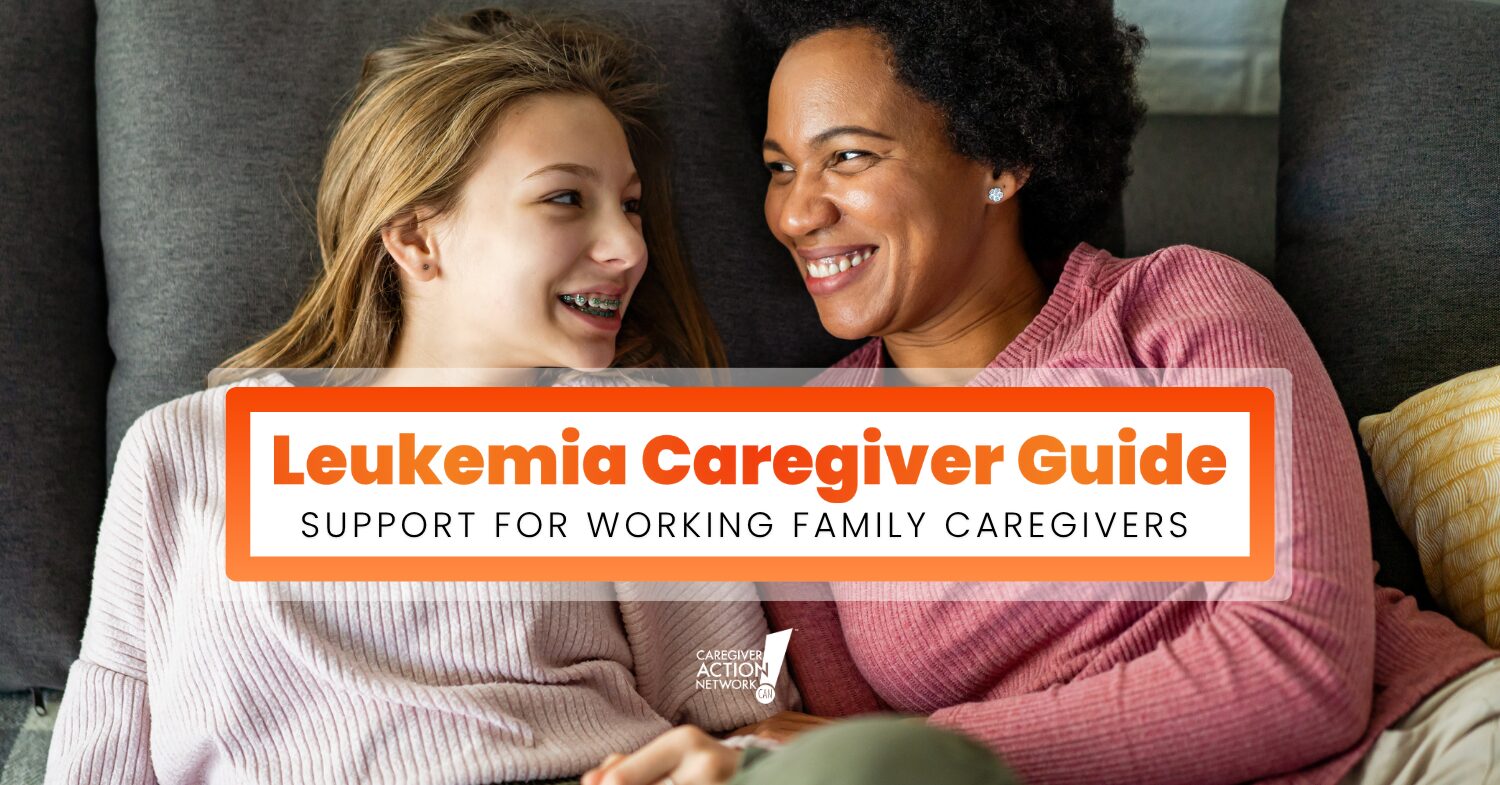
Caring for a loved one with leukemia while maintaining your career is one of the most challenging roles you may ever face. This guide was created specifically for you—the working family caregiver who is navigating the complex demands of supporting someone through leukemia treatment while also managing job responsibilities, financial pressures, and your own [...]
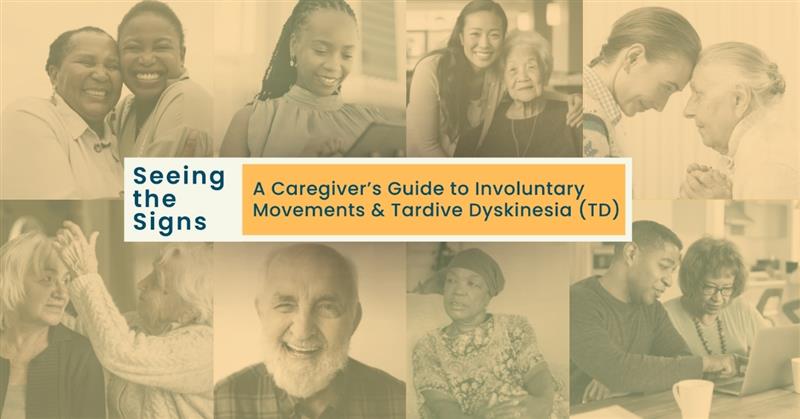
Caring for a loved one with Tardive Dyskinesia (TD) can be challenging, especially when symptoms are subtle, misunderstood, or overlooked by providers. This course was designed specifically for family caregivers to help you understand TD, recognize symptoms, overcome systemic barriers, and find resources and support. Through lessons, real caregiver stories, and practical strategies, you’ll [...]
Family caregivers play a vital role in the care and recovery journey of individuals living with schizophrenia. Yet, these caregivers often face complex challenges when trying to access information or provide support due to misunderstandings around the Health Insurance Portability and Accountability Act (HIPAA). For African Americans and immigrant populations [...]
You pour your heart into caring for someone you love—but who's caring for you? Being a family caregiver often feels like putting everyone else's needs first while your own take a backseat. Taking care of yourself isn't selfish; it's essential. These ten practical tips will help you weave self-care into your daily routine, making [...]
Mental health challenges affect the whole family and are hard on everyone. This is one of the many reasons why we work with family members of people affected by mental health concerns, and we know there are real barriers that get in the way of family members such as yourself who may be seeking answers. [...]
Neuropsychiatric symptoms (NPS) in Alzheimer’s disease refer to a range of behavioral and psychological symptoms and can affect up to 97% of patients, according to the National Institutes of Health. These symptoms can include agitation, depression, anxiety, apathy, hallucinations/delusions (psychosis), sleep disturbances, appetite/eating behavior, aberrant motor behavior, irritability, disinhibition, and euphoria. Some, like apathy, [...]



Copyright © 2026, National Family Caregivers Association DBA Caregiver Action Network. All Rights Reserved.
Privacy Policy