Grieving Someone You Didn’t Like
Grieving Someone You Didn’t Like
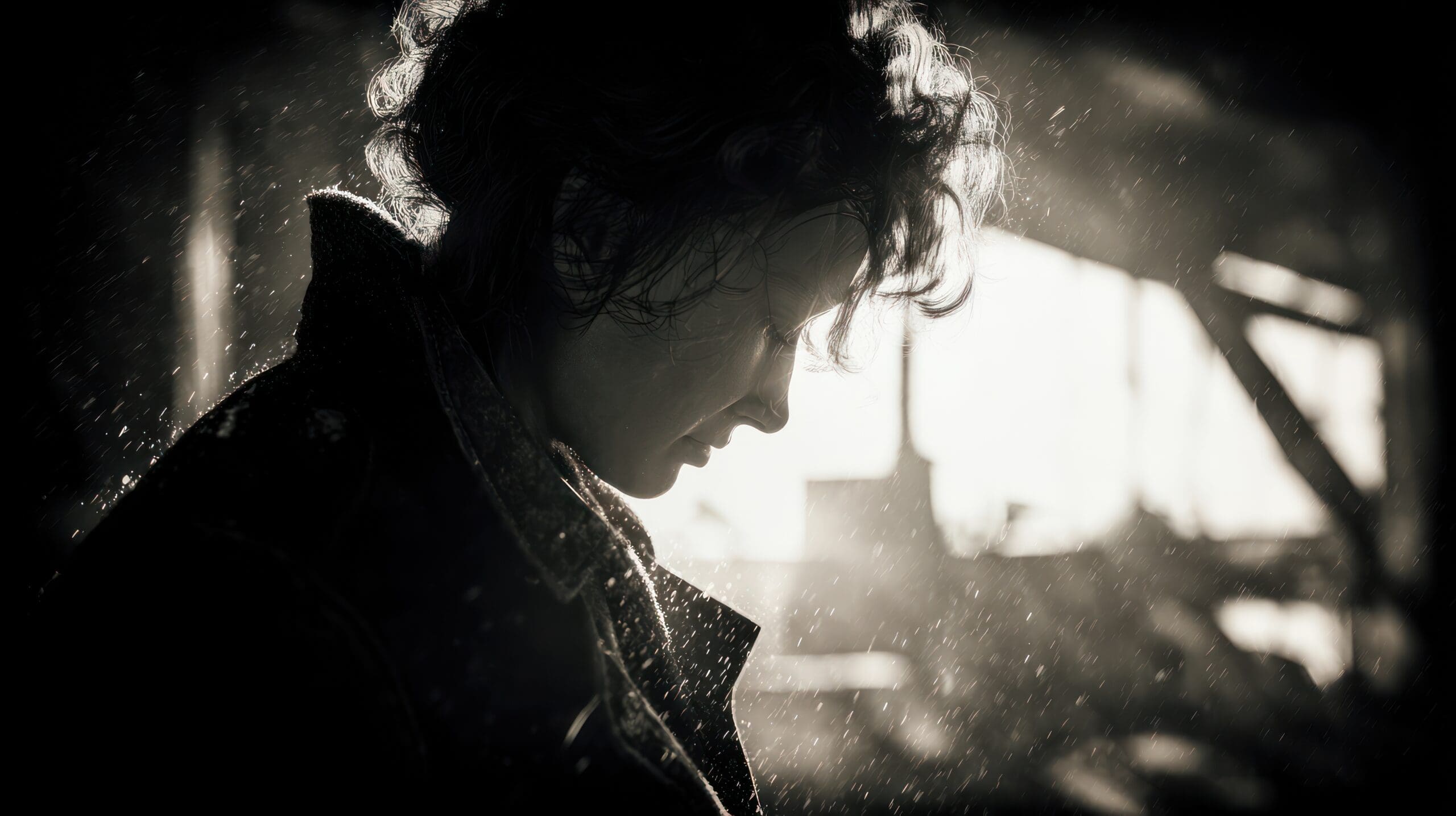
When we think about grief, we often picture the loss of someone we deeply loved—a parent, spouse, sibling, grandparent, or friend whose absence leaves a hole in our lives.
But what happens when the person who dies is someone you didn’t particularly like?
What happens when the relationship was complicated, painful, disappointing, or even harmful?
That kind of grief is rarely talked about, yet many people experience it.
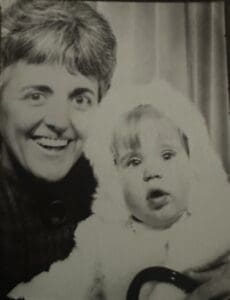
Growing up, I was incredibly close to my maternal grandma. She was one of my favorite people in the world. We spent time together, wrote letters, and shared a bond that felt effortless.
My relationship with my grandfather was very different.
We were never close to my dad’s parents. They weren’t particularly warm people, and they had a way of making my father feel invisible growing up. As the middle child and only boy, he seemed to get lost between his sisters. My grandfather openly favored the younger sister, and my grandmother favored the older one, leaving my dad feeling as though he never quite belonged anywhere in the family.
My maternal grandparents were high school sweethearts. After my grandpa died unexpectedly at a young age, my grandma spent years alone before eventually marrying my dad’s father. It wasn’t a love story. My grandma was lonely and wanted companionship. My grandfather wanted someone to care for him.
From the beginning, we clashed.
He was rude, attention-seeking, and seemed to enjoy provoking people. He smoked at our dinner table, made insensitive comments, and regularly got my name wrong—I think it was intentional. He complained about how close I was to my grandma and inserted himself into a relationship that had always existed my whole life.
As I got older, my dislike of him only grew.
What bothered me most wasn’t how he treated me. It was how he treated my grandma.
He drank heavily. He drove drunk with her in the car. He belittled her. He cheated on her. Watching someone I loved be treated poorly made it hard for me to even be civil to him.
So when he died, I felt…nothing.
No overwhelming sadness. No sense of loss. No heartbreak.
Mostly, I felt relieved.
And then I felt guilty for feeling relieved.
Society teaches us that grief should look a certain way. We’re expected to mourn family members simply because they’re family. We assume that blood relationships automatically create love, respect, and loss.
But relationships are more complicated than that.
Sometimes the person who dies was emotionally distant. Sometimes they caused harm. Sometimes they were difficult, selfish, or cruel. Sometimes they simply never earned a place in our hearts.
When those people die, we may not grieve the person. Instead, we grieve something else.
We may grieve the relationship we wished we had. We may grieve the possibility that things could have been different. We may grieve the impact their behavior had on people we love.
Or we may grieve because someone else’s grief becomes our own burden to carry.
That was my experience.
While I didn’t mourn my grandfather, I did worry about my grandma. She had lost a companion and was facing life alone again. Supporting her through her grief was complicated because I couldn’t share her feelings. I wanted to be there for her, but I couldn’t honestly say I was mourning the same loss.
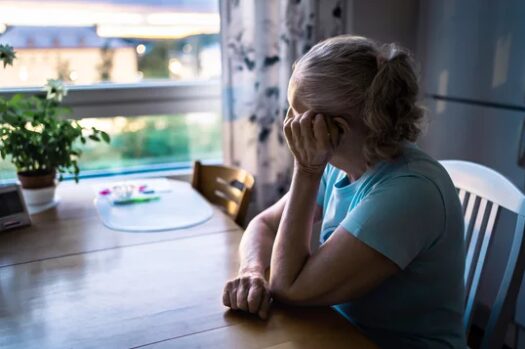
It taught me an important lesson: grief is not always about missing someone.
Sometimes grief is about sorting through a lifetime of complicated emotions after a chapter closes.
Sometimes it is about making peace with the fact that the relationship never became what you hoped it would be.
And sometimes it is about giving yourself permission not to feel what others expect you to feel.
If you’ve lost someone you didn’t like—or someone who hurt you—you don’t need to force yourself into a version of grief that doesn’t fit. There is no right way to mourn a complicated relationship.
You may feel sadness, anger, relief, confusion, regret, numbness, or all of those emotions at once.
Every one of those reactions is valid.
Grief isn’t a measure of how much you loved someone. Sometimes it’s simply a reflection of the complicated human relationships we leave behind.
by Jodi Koehn-Pike
Content Development Manager, Caregiver Action Network
Additional ‘Life After Loss’ Articles