Are you a caregiver?

You might already be one. Here’s what that can look like.

A caregiver is anyone who helps another person manage their health, daily needs, or overall well-being—often without pay. You might be a caregiver if you:
  • Help a family member, partner, friend, or neighbor with everyday tasks

  • Coordinate or attend medical appointments

  • Manage medications or health-related needs

  • Provide emotional support, check-ins, or advocacy

  • Assist with household responsibilities or transportation

  • Step in regularly because someone relies on you

If you see yourself in any of these roles, you can identify as a family caregiver—even if you’ve never used that term before. Caregiving looks different for everyone, but every caregiver plays a vital role and deserves recognition and support.


The Caregiver’s Role

Observing, Advocating, and Offering Support

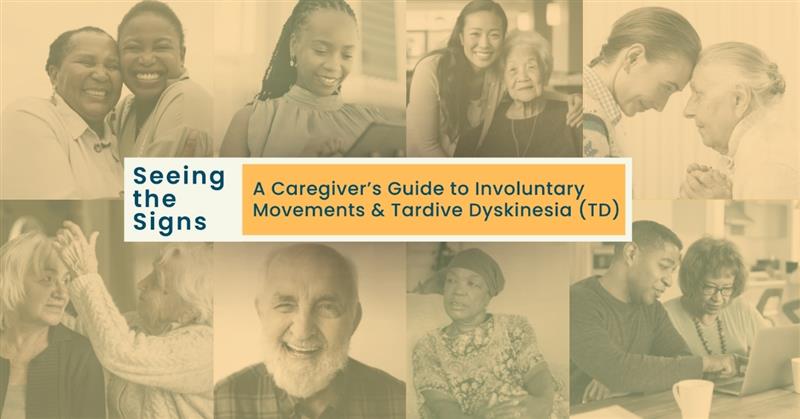
Caring for someone with tardive dyskinesia (TD) often involves observing symptoms, helping coordinate care, and advocating for your loved one when changes occur. Because TD symptoms can be unpredictable or misunderstood, caregivers can play an important role in helping their loved one feel heard and supported.

Caregivers also provide emotional reassurance and practical support as their loved one manages the day-to-day challenges of living with TD.

Top 3 Things Caregivers Should Know

Symptoms can change, and your observations matter

Breast cancer treatment may involve surgery such as lumpectomy or mastectomy, followed by additional therapies. Recovery can include fatigue, limited mobility, and eaTD isn’t consistent. Movements can come and go, shift in severity, or be triggered by stress, fatigue, or changes in medication. Caregivers are often the first to notice these patterns. Keeping track of what you see can give doctors a much clearer picture and lead to better treatment decisions.motional adjustment. Caregivers often help with transportation, household tasks, and recovery support.

Advocacy is essential, and sometimes necessary

TD can be misunderstood or overlooked, especially since it’s often tied to medications used for mental health conditions. Caregivers play a key role in making sure symptoms are taken seriously, asking about treatment options, and helping balance the benefits and side effects of medications. Speaking up can directly impact your loved one’s quality of care.

Emotional impact is just as real as physical symptoms

The involuntary movements of TD can affect confidence, relationships, and willingness to go out or be seen. Many people feel embarrassed or frustrated. Caregivers aren’t just managing symptoms; they’re helping protect their loved one’s dignity, reduce isolation, and create a sense of normalcy and support.

Caregiver Resources from Our Partners

Online Article

Understanding Tardive Dyskinesia & Reducing Risk

Explains tardive dyskinesia, including symptoms, possible causes, medications associated with TD, and steps that may help reduce risk or support earlier recognition.

SUPPORT

Tardive Dyskinesia Information & Support

Provides information about treatment options, clinical trials, finding a specialist, and online support groups for people living with tardive dyskinesia and those who support them.

VIDEO

Struggling to breathe: Respiratory Dyskinesia demystified

Hear one patient’s experience with respiratory dyskinesia, a lesser-known form of tardive dyskinesia, alongside expert insight from psychiatrist Craig Chepke, MD. The video explains symptoms, risk factors, and why recognizing breathing-related movements can be important for patients, caregivers, and healthcare professionals.

TIP SHEET

Care Partner Tips for Tardive Dyskinesia

Offers practical tips for care partners, including guidance on supporting daily activities, communicating about symptoms, and providing emotional support.

ONLINE TOOL

TD Symptom Trackers & Doctor Discussion Guides

Provides tools such as symptom trackers, patient education materials, and discussion guides to help monitor involuntary movements and prepare for conversations with healthcare providers.

ONLINE ARTICLE

Caregiver’s Guide to Tardive Dyskinesia

Provides practical advice for caregivers supporting someone with TD, including help with eating, dressing, medication management, daily activities, and adapting to movement-related challenges.

Caregiver Action Network Resources

Explore Your Community Support Options

Personalized Guidance from Caregiving Experts

Personalized Guidance from Caregiving Experts

Available Monday-Friday from 8am – 7pm ET, our experts are ready with the personalized support, guidance, and assistance you need and deserve–for as long as you need it.

(855) 227-3640

24/7 Access to Hundreds of Helpful Resources

24/7 Access to Hundreds of Helpful Resources

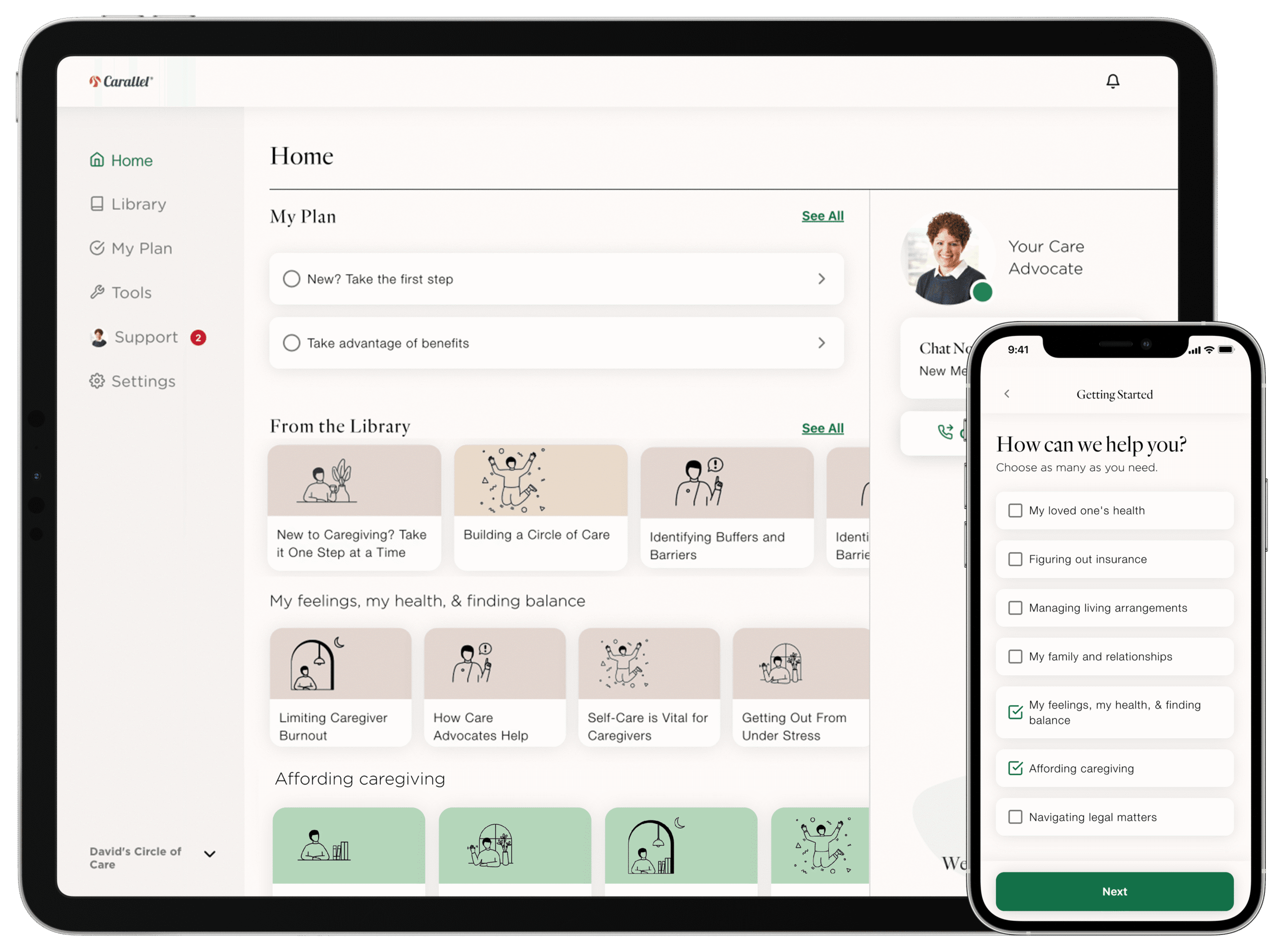
The National Caregiver Help Desk App, powered by Carallel, is full of bite-sized resources crafted to help you build skills, validate what you’re feeling, and help you get stuff done.

Use Access Code: CAN

Connection & Community with Other Caregivers

Expert-Led Virtual Fireside Chats

These 30-minute virtual fireside chats address the complex and often difficult topics encountered by caregivers. Sessions are led by Matt Perrin, Carallel’s Director of Caregiver Engagement, and Sheila Schultz, a Carallel Care Advocate.

Community with Other Caregivers

Community With Other Caregivers

Through CAN, Carallel Support Groups give you a place to ask questions, feel understood, and build confidence in your caregiving journey. Access is simple and available when you need it.

Certified Listeners

Connect with Certified Listeners

Looking for someone who really gets it? Get matched with trained listeners who share your lived experience—whether that’s caring for someone with Alzheimer’s, cancer, or another chronic condition.

Facebook Support Group for Caregivers

Online Support Group on Facebook

Join our caregiver community on Facebook to connect with thousands of peers in a welcoming, supportive space.
Ask questions, share experiences, and receive advice any time of day.

We’re meeting caregivers where they are—giving you choices for how you want to connect, whether through expert advice, peer-to-peer empathy, or live support groups.