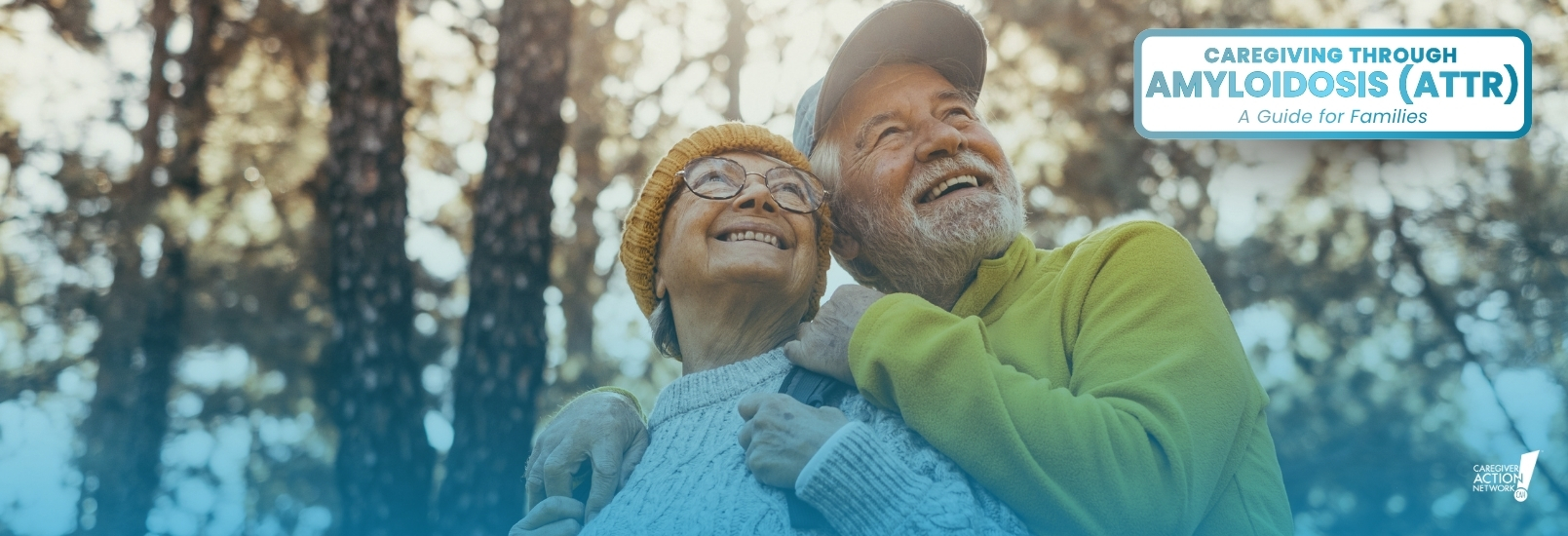
If your loved one is diagnosed with Transthyretin amyloidosis (ATTR), that means that clumps of irregular proteins have built up in tissues like their heart and nervous system, but can affect other parts of the body, too, like the digestive system, other organs, muscles, and eyes. These protein buildups damage the tissue, leading to a range of health problems. ATTR is a progressive disease, getting worse over time, and can be life-threatening.
There are two types of ATTR.
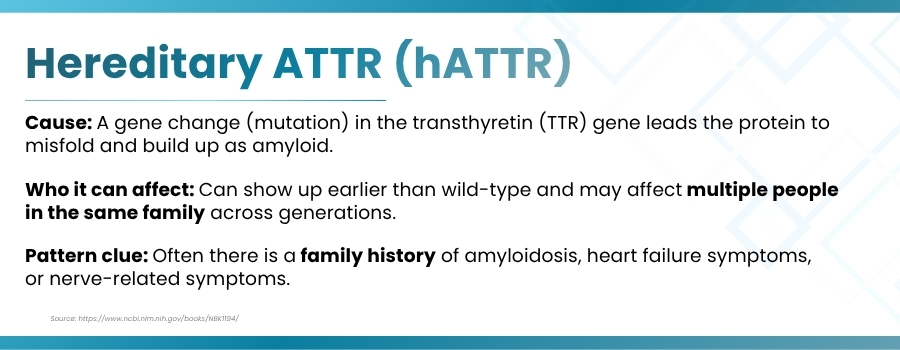
Hereditary ATTR is inherited from one or both of your biological parents.
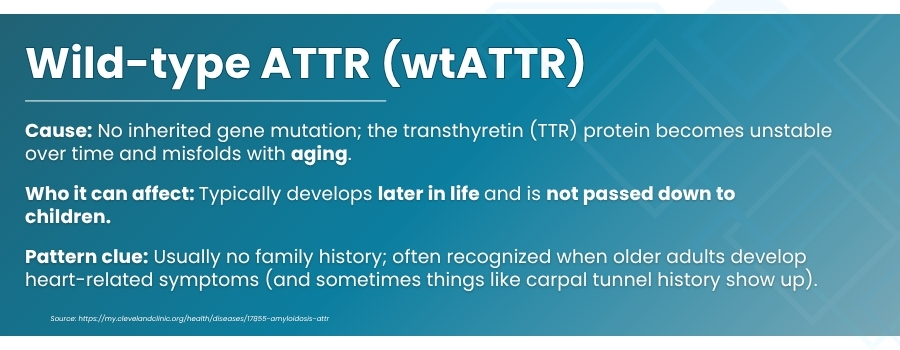
Wild-type ATTR is associated with age-related changes and most often affects men over age 65.