The years leading up to diagnosis can be emotionally exhausting for both caregivers and patients. Many families describe a long period of uncertainty, during which symptoms worsen, but clear answers remain elusive.
This uncertainty can create intense frustration and fear. Caregivers often feel helpless watching their loved one's health decline while doctors struggle to identify the cause.
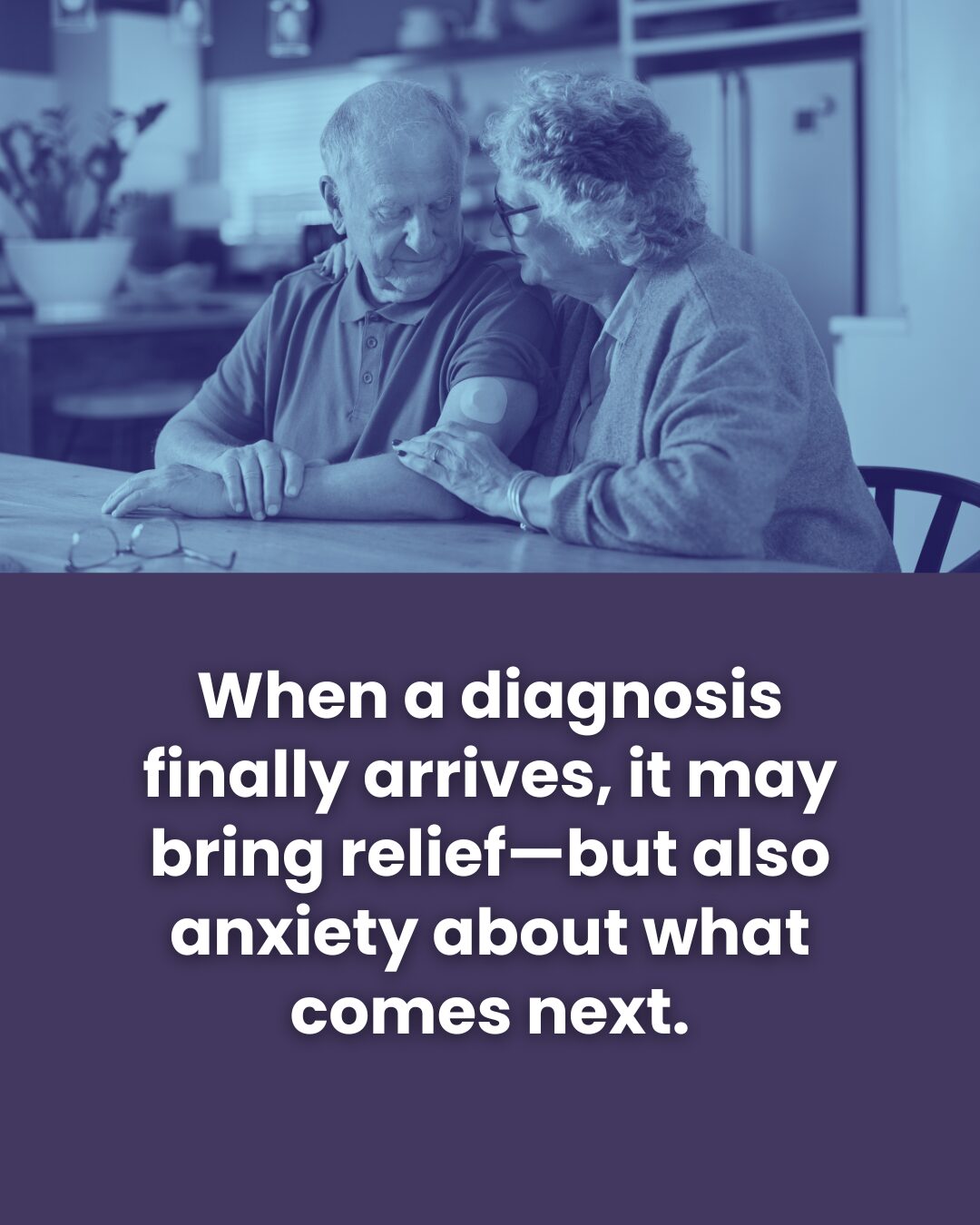
When a diagnosis finally arrives, it may bring relief—but also anxiety about what comes next.
Delays in diagnosis can also lead to concerns about missed treatment opportunities. Caregivers may wonder whether earlier intervention could have slowed disease progression, adding another emotional layer to an already difficult journey.
Depending on the type of amyloidosis, hereditary vs. wild, the treatment varies. For patients with wild-type, an earlier diagnosis doesn’t always mean treatment is started earlier. If your loved one is diagnosed prior to heart involvement, there is no FDA-approved treatment for them, even if they have neuropathy. If your loved one has hereditary amyloidosis, they can be treated if they have peripheral neuropathy prior to heart involvement.
Hear from Jayden about the frustrations around getting to a diagnosis.