Are you a caregiver?

You might already be one. Here’s what that can look like.

A caregiver is anyone who helps another person manage their health, daily needs, or overall well-being—often without pay. You might be a caregiver if you:
  • Help a family member, partner, friend, or neighbor with everyday tasks

  • Coordinate or attend medical appointments

  • Manage medications or health-related needs

  • Provide emotional support, check-ins, or advocacy

  • Assist with household responsibilities or transportation

  • Step in regularly because someone relies on you

If you see yourself in any of these roles, you can identify as a family caregiver—even if you’ve never used that term before. Caregiving looks different for everyone, but every caregiver plays a vital role and deserves recognition and support.


The Caregiver’s Role

Coordinating Care as Needs Change

Caring for someone with ATTR amyloidosis often means serving as a steady coordinator, observer, and advocate. Because the condition can affect the heart, nerves, mobility, and other areas of health, caregivers may help monitor symptoms, manage appointments and treatment, and communicate changes to the healthcare team.

As symptoms and needs change over time, caregivers can also provide practical and emotional support while helping their loved one maintain as much independence and quality of life as possible.

Top 3 Things Caregivers Should Know

Symptoms can be wide-ranging and easy to miss

ATTR amyloidosis doesn’t show up in just one way. It can affect the heart (fatigue, shortness of breath, swelling), nerves (numbness, tingling, balance issues), and even digestion. Changes are often subtle at first, so what looks like “just a bad day” could be something worth noting. One of your most important roles is paying attention to patterns and speaking up early. Small observations can lead to better care and fewer complications.

You are a key part of the care team

Because this is a rare and complex disease, caregivers often become the connector between specialists, appointments, and real life at home. Keeping track of medications, symptoms, and questions for doctors can make a huge difference. Don’t hesitate to ask for clarification, bring notes to visits, or advocate for second opinions if something doesn’t feel right. Your voice carries weight.

This is a long journey; pace yourself

ATTR amyloidosis is typically progressive, which means care needs can change over time. It’s easy to focus everything on your loved one and ignore your own limits, but burnout helps no one. Building support early, whether through family, community, or caregiver groups, can make this more sustainable. Taking breaks, asking for help, and acknowledging your own emotions are not extras; they’re part of doing this well.

Caregiver Resources from Our Partners

Organization

Amyloidosis Education, Research & Support Resources

Provides educational materials, research updates, grants, support group information, and newsletters for people affected by amyloidosis and their families.

SUPPORT

Amyloidosis Caregiver Support & Navigation

Offers caregiver support, educational programs, peer connections, and access to treatment centers and clinical trials through My Amyloidosis Pathfinder.

Online Tool

ATTR Education & Caregiver Resources

Provides information, tools, and practical resources designed to help caregivers better understand ATTR amyloidosis and support a loved one throughout diagnosis and treatment.

SUPPORT

Amyloidosis Support Groups & Peer Community

Connects people affected by amyloidosis with free in-person support groups across the U.S. and private, disease-specific online communities.

SUPPORT

Amyloidosis Online Community & Support Resources

Offers an online community where people affected by amyloidosis can connect, share experiences, exchange practical advice, and find additional support resources.

Caregiver Action Network Resources

Explore Your Community Support Options

Personalized Guidance from Caregiving Experts

Personalized Guidance from Caregiving Experts

Available Monday-Friday from 8am – 7pm ET, our experts are ready with the personalized support, guidance, and assistance you need and deserve–for as long as you need it.

(855) 227-3640

24/7 Access to Hundreds of Helpful Resources

24/7 Access to Hundreds of Helpful Resources

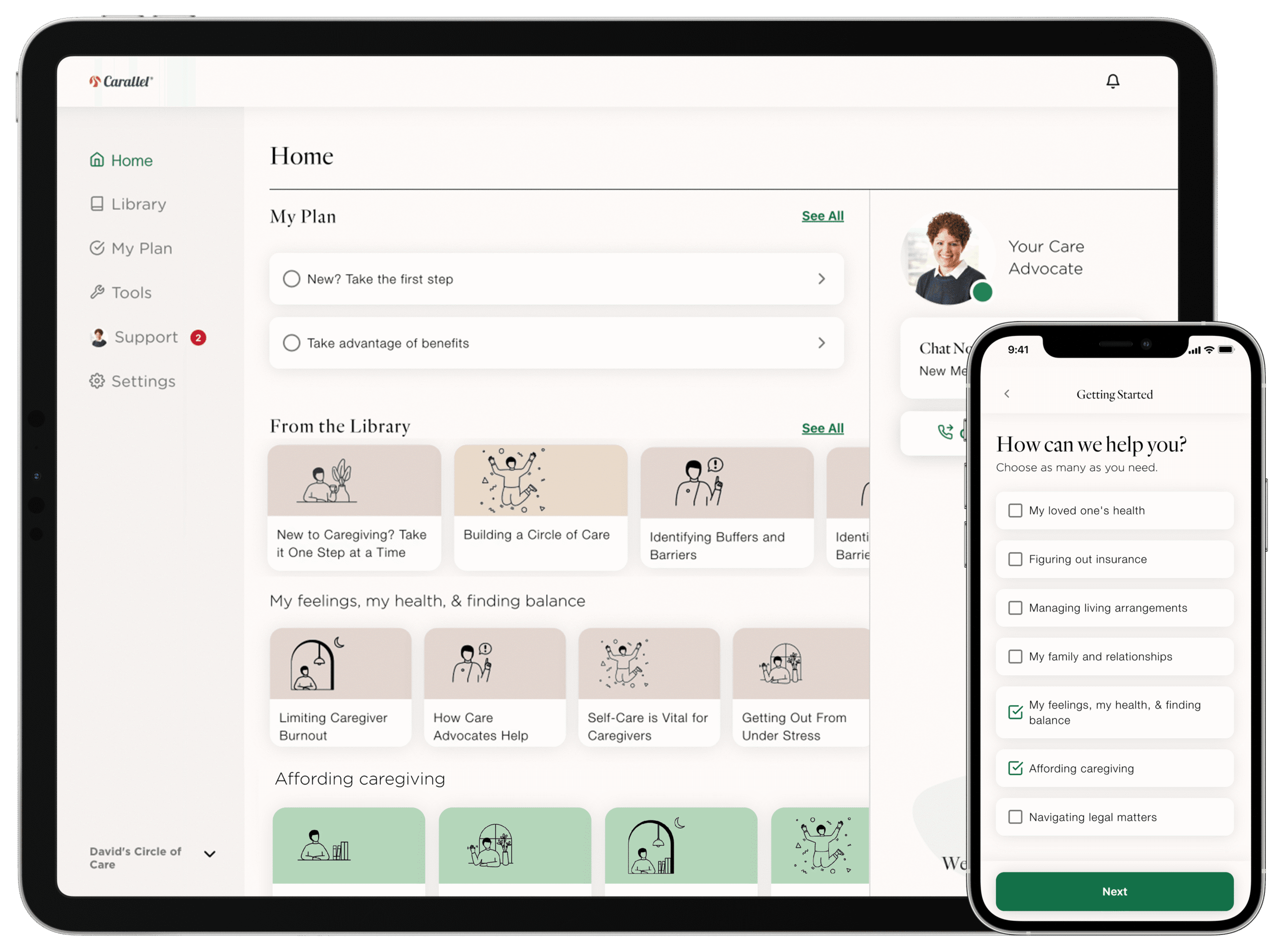
The National Caregiver Help Desk App, powered by Carallel, is full of bite-sized resources crafted to help you build skills, validate what you’re feeling, and help you get stuff done.

Use Access Code: CAN

Connection & Community with Other Caregivers

Expert-Led Virtual Fireside Chats

These 30-minute virtual fireside chats address the complex and often difficult topics encountered by caregivers. Sessions are led by Matt Perrin, Carallel’s Director of Caregiver Engagement, and Sheila Schultz, a Carallel Care Advocate.

Community with Other Caregivers

Community With Other Caregivers

Through CAN, Carallel Support Groups give you a place to ask questions, feel understood, and build confidence in your caregiving journey. Access is simple and available when you need it.

Certified Listeners

Connect with Certified Listeners

Looking for someone who really gets it? Get matched with trained listeners who share your lived experience—whether that’s caring for someone with Alzheimer’s, cancer, or another chronic condition.

Facebook Support Group for Caregivers

Online Support Group on Facebook

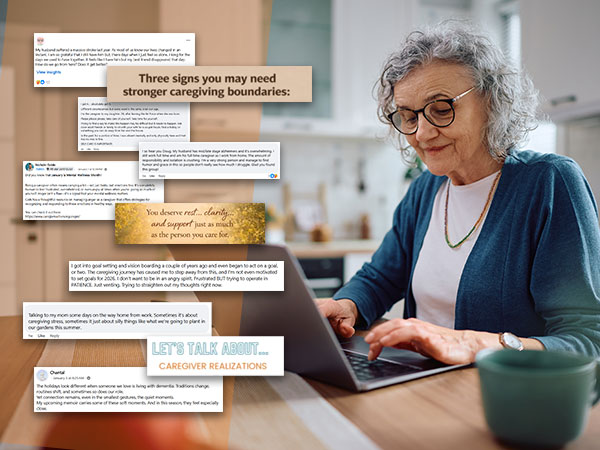
Join our caregiver community on Facebook to connect with thousands of peers in a welcoming, supportive space.
Ask questions, share experiences, and receive advice any time of day.

We’re meeting caregivers where they are—giving you choices for how you want to connect, whether through expert advice, peer-to-peer empathy, or live support groups.