Osteoporosis weakens bones and raises the risk of fractures—often without symptoms until a fall. As a caregiver, you can champion safety, confidence, and informed choices through shared decision-making and patient-centered goals. Understanding Osteoporosis Osteoporosis is a bone disease that makes bones fragile and more likely to break. Risk rises with age: Women [...]
Why Asking for Help is Vital for Caregivers Caregiving is a challenging journey, filled with both emotional and physical demands. Asking for help as a caregiver can feel daunting. However, building a strong caregiving support network is crucial to navigating emergencies and maintaining well-being. Seeking help not only lightens the load but fosters meaningful [...]
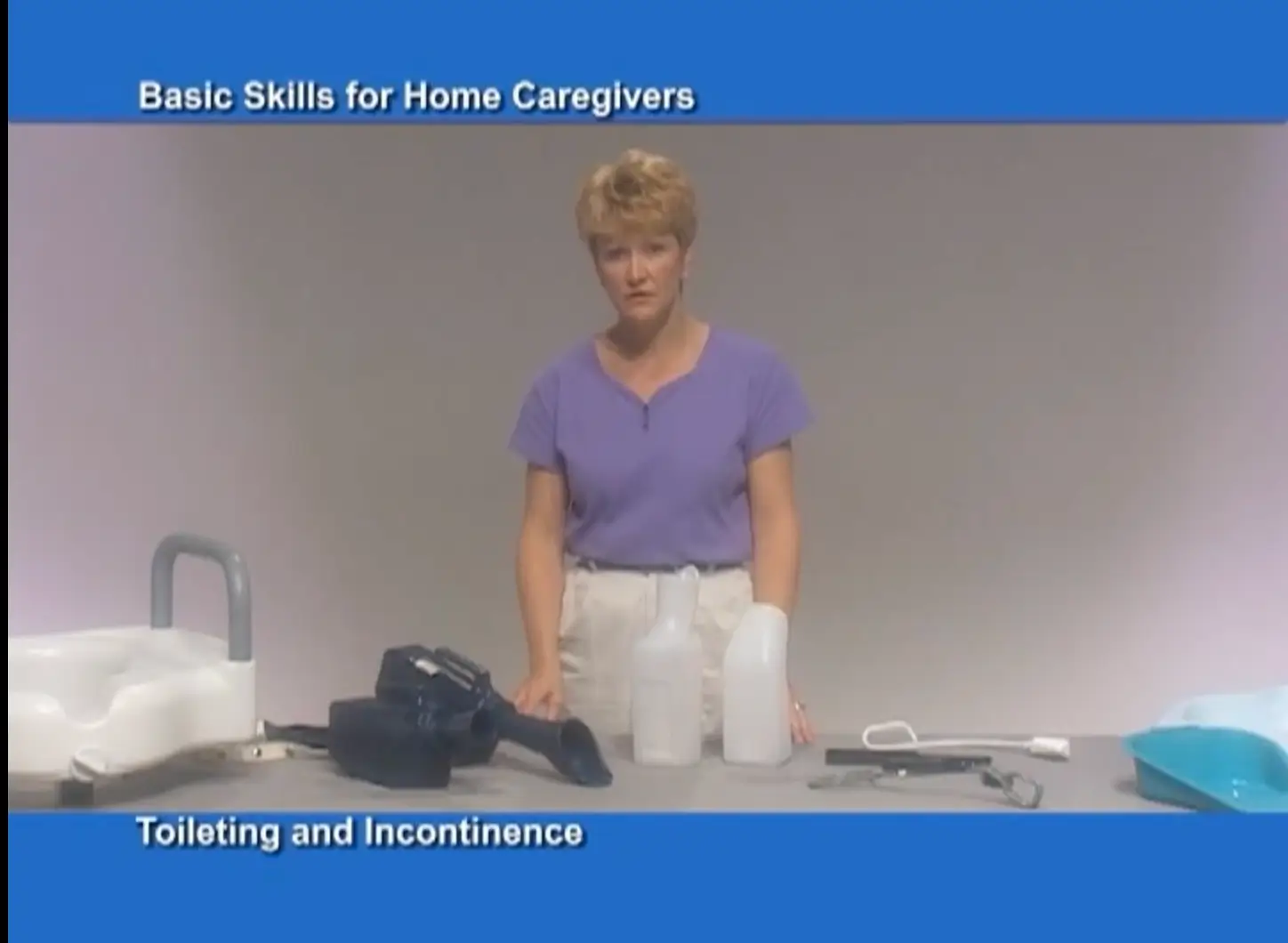
Managing incontinence and toileting needs is among the most challenging yet essential aspects of caregiving. Whether you're caring for an elderly parent, a disabled family member, or someone with medical conditions affecting bladder or bowel control, understanding how to address these needs with dignity and effectiveness is crucial for both the care recipient's [...]
Providing bathing assistance is one of the most intimate and challenging aspects of caregiving. For many family caregivers, helping a loved one with bathing can be both physically demanding and emotionally complex. Whether you're caring for an elderly parent, a disabled spouse, or someone recovering from surgery, understanding how to help someone bathe [...]
Caregivers share the assorted ways they find time to relax and recharge. Claudia, Caregiver for Mother, 12 Years, Texas: You have to cordon out a little bit of space and a little bit of time to refresh and take care of yourself so that you can take care of him better, in [...]
As a family caregiver, your health is not just a personal priority—it's a critical component of the care you provide. Every day, millions of caregivers dedicate themselves to supporting loved ones, often at the expense of their own physical and mental well-being. Understanding and implementing these caregiver self-care tips isn't just important—it's essential for [...]
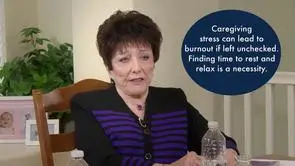
No one can give endlessly without replenishing their own reserves. In the demanding role of family caregiving, it’s essential to take time for self-care and rejuvenation.Without respite, caregivers often experience burnout. Respite care offers vital temporary relief for primary caregivers, helping them rest and recharge from the continuous demands of looking after someone with [...]
The Difference Between Support and Help In caregiving, “support” and “help” are often used interchangeably, but they serve different purposes. Emotional support for caregivers provides the encouragement and empathy needed to navigate caregiving challenges, while practical help addresses the tangible tasks involved in caregiving. Both are essential for managing the caregiver burden and ensuring [...]
“Life feels so heavy. It’s as if there is a gray cloud that hovers over everything I do.” “Decision-making has become so frightening for me. I think I’m losing my mind.” “I wish I could sleep forever.” If you recognize these feelings in yourself and feel this way day after day, month after month, [...]
Planning for healthcare decisions is crucial, especially as we consider end-of-life care planning. Advance directives are legal documents that outline an individual’s healthcare preferences in situations where they cannot communicate those wishes. This article explores the various types of advance directives, their importance, and how to set them up to ensure your loved one's wishes [...]









Copyright © 2026, National Family Caregivers Association DBA Caregiver Action Network. All Rights Reserved.
Privacy Policy