Do you feel trapped in a cycle of caregiver frustration, repeatedly asking the same questions: "When will you update your will?" "When will you consider handicapped license plates?" "When will you move to a safer living situation?" If you're experiencing these caregiving challenges, you're not alone. Denial in caregiving relationships creates significant barriers [...]
Caregiving is a journey that transforms every aspect of daily life. For many caregivers, the familiar routines of shopping, spontaneous outings, or even sleeping in on weekends give way to new responsibilities. These changes can feel overwhelming, but defining a new normalcy is an essential step in embracing the caregiving life. Redefining Normalcy in Caregiving [...]
The Power of Speaking Up in Caregiving Speaking up as a family caregiver is one of the most crucial skills you can develop on your caregiving journey. At its core, speaking up means raising your voice so others can hear your needs and the needs of your loved one. This essential form of caregiver [...]
As a family caregiver, have you ever wished for professional guidance in coordinating your loved one's care? While you may not be a professional care manager, learning their strategies can transform your caregiving journey. Understanding care management for family caregivers can help you organize, coordinate, and provide better care while maintaining your own well-being. [...]
Maybe it started slowly. You visited your parents and started to worry about them living alone. You found yourself taking over more of the responsibilities for your spouse. Maybe it happened all of a sudden. Mom slipped and broke her hip. The neighbors called to say that dad was wandering around looking lost. However [...]
Navigating an emergency room (ER) visit with a loved one can be a daunting experience for any caregiver. Understanding how to manage an ER visit effectively, prepare for emergencies, and communicate with medical staff can significantly improve the quality of care your loved one receives. This guide provides essential tips and a caregiver emergency [...]
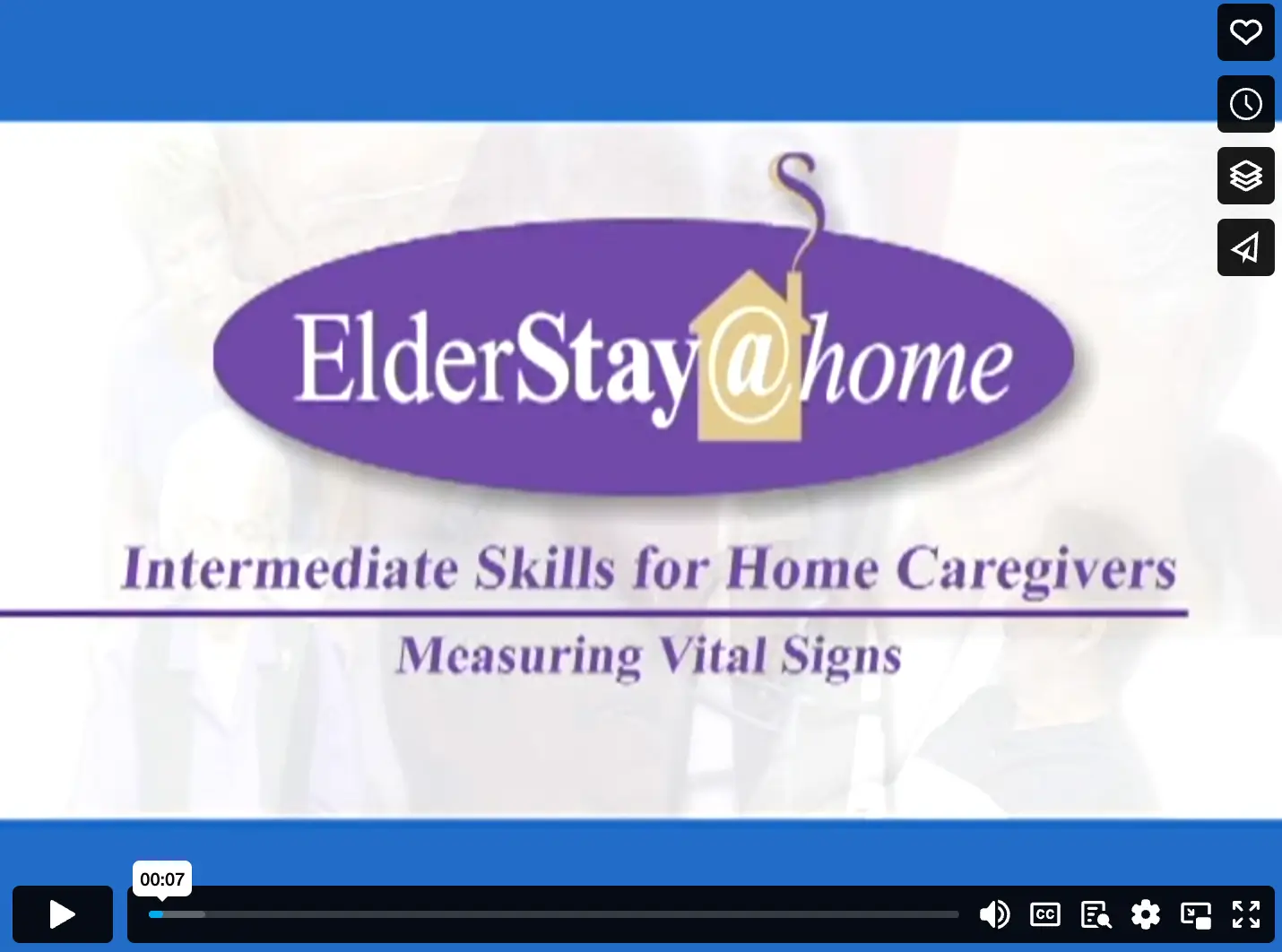
Vital signs are the key indicators of a person's essential bodily functions. These include temperature, pulse (heart rate), respirations (breathing rate), and blood pressure. For caregivers, monitoring vital signs provides critical information about a loved one's health status and can help detect potential problems before they become serious.Regular tracking of vital signs allows [...]
Range of motion exercises are vital techniques that caregivers can use to help maintain or improve joint flexibility in care recipients. Whether caring for someone recovering from surgery, managing a chronic condition, or dealing with limited mobility, understanding how to properly perform these exercises can significantly improve quality of life and prevent complications. [...]
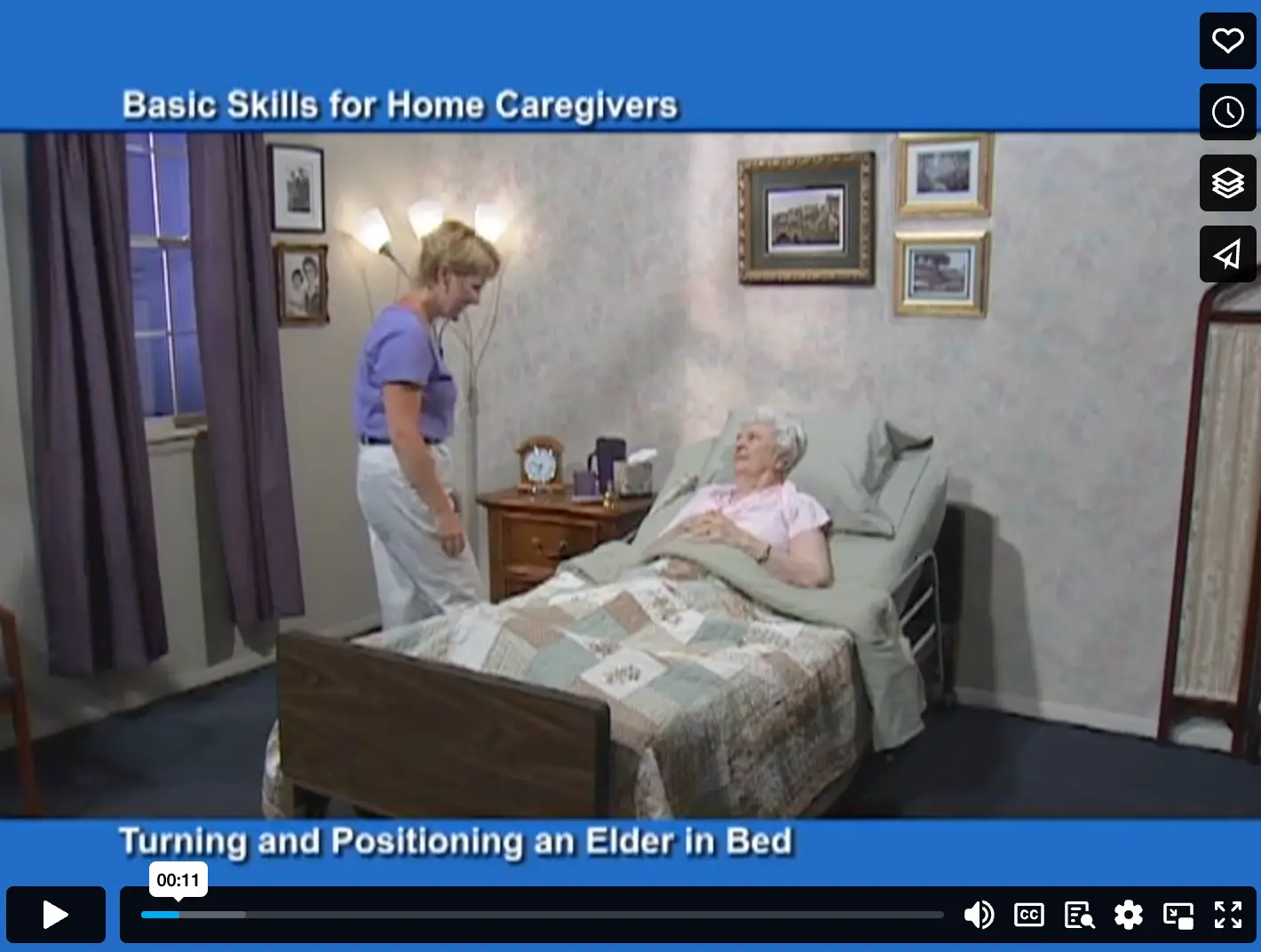
Proper turning and positioning of bedridden elderly patients is a critical aspect of caregiving that directly impacts their health, comfort, and quality of life. When an elderly loved one is confined to bed due to illness, injury, or limited mobility, knowing the correct techniques for positioning bedridden elderly can make a significant difference [...]
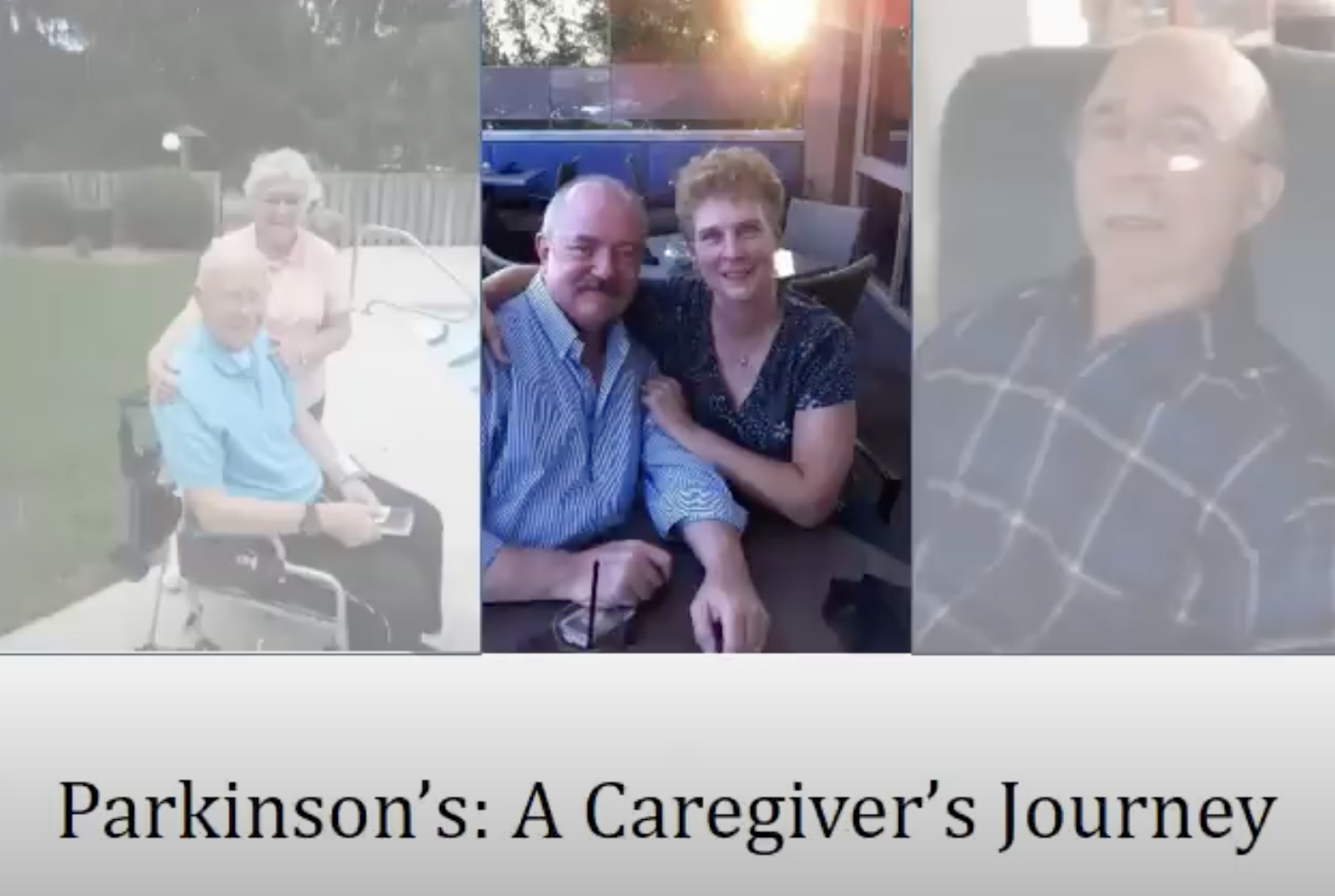
As many as one million people live with Parkinson’s in the US. Family members, friends, and neighbors are the ones who care for a loved one with Parkinson’s disease. Are you one of these selfless heroes providing care? Take comfort in knowing that you are not alone by hearing what your fellow caregivers [...]








Copyright © 2026, National Family Caregivers Association DBA Caregiver Action Network. All Rights Reserved.
Privacy Policy