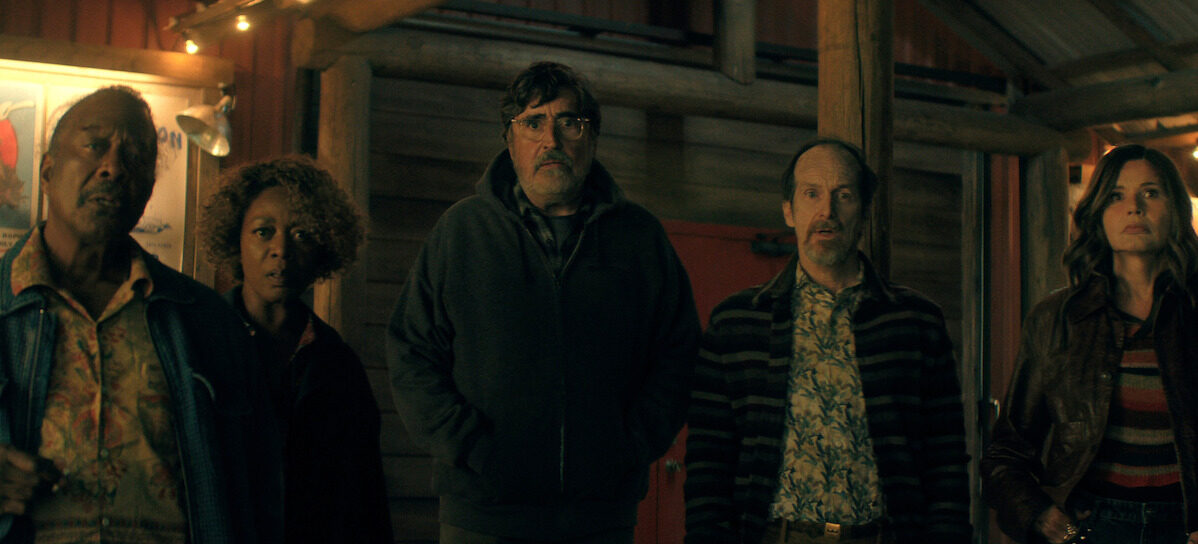
By Nichole Goble Director of Community Initiatives, Caregiver Action Network SPOILER ALERT: This article contains major spoilers for Season 1 of The Boroughs on Netflix. There is something deeply funny — and honestly a little rude — about the Duffer Brothers finishing Stranger Things and apparently deciding, “What if we did the same thing, [...]
When we think about grief, we often picture the loss of someone we deeply loved—a parent, spouse, sibling, grandparent, or friend whose absence leaves a hole in our lives. But what happens when the person who dies is someone you didn't particularly like? What happens when the relationship was complicated, painful, disappointing, or even [...]
By Marvell Adams Jr. Chief Executive Officer As a lifelong Star Wars fan, I went into The Mandalorian and Grogu expecting adventure, action, and perhaps a little nostalgia. After all, Star Wars was first introduced to me by my older brothers more than 40 years ago. It has been a constant companion through different [...]
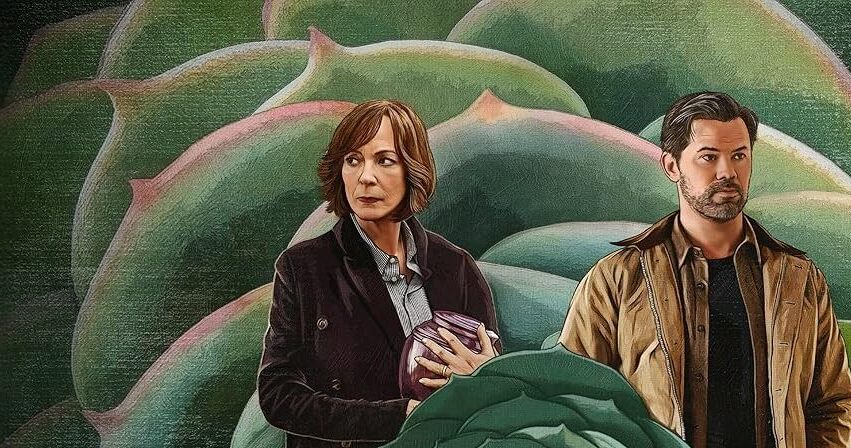
By Chance Browning Chief Operations Officer Grief has a way of revealing the relationships that sustain us—and sometimes those relationships are not the ones we expected. The HBO Original film Miss You, Love You, now streaming on HBOMax, stars Allison Janney as Diane Patterson, a recently widowed woman struggling to navigate life after the [...]
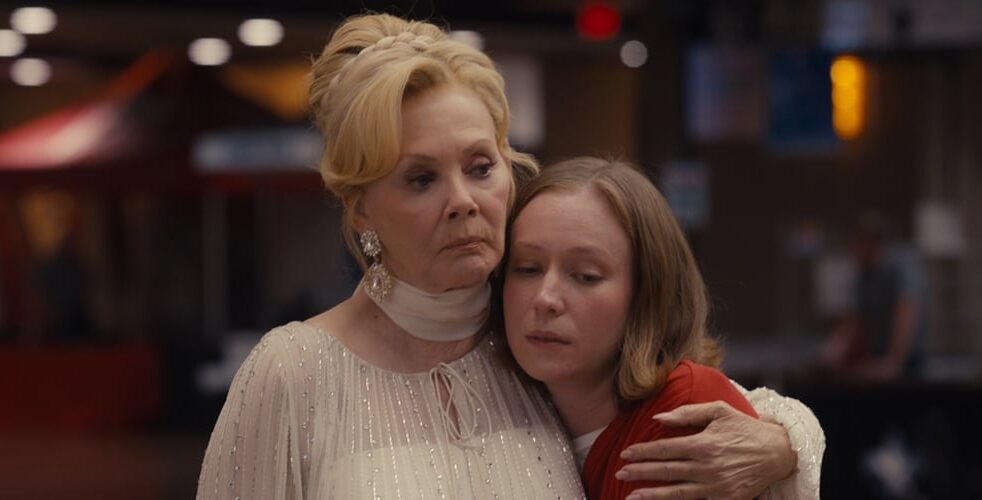
By Chance Browning Chief Operations Officer SPOILER ALERT: This article contains major spoilers for the series finale of Hacks on HBO Max. The series finale of HBO Max's Emmy-winning comedy-drama Hacks surprised audiences by taking one of television's sharpest comedies into deeply emotional territory: serious illness, mortality, caregiving, and the difficult conversations that emerge when [...]
By Chance Browning Chief Operations Officer Some people love Landman. Some people love to hate Landman. But whether viewers are tuning in for the West Texas grit, Taylor Sheridan’s signature storytelling, or performances by Billy Bob Thornton, Sam Elliott, Ali Larter, and Demi Moore, Landman has sparked plenty of conversation—especially following the conclusion of [...]
By Jeff Aidikoff, Founder and Managing Attorney, Bedsore.Law Moving a loved one into a nursing home is one of the hardest decisions families make. Even after placement, caregiving and family support does not end, it changes. Family caregivers remain the most important advocates for their loved ones in a long-term care setting. Understanding how [...]
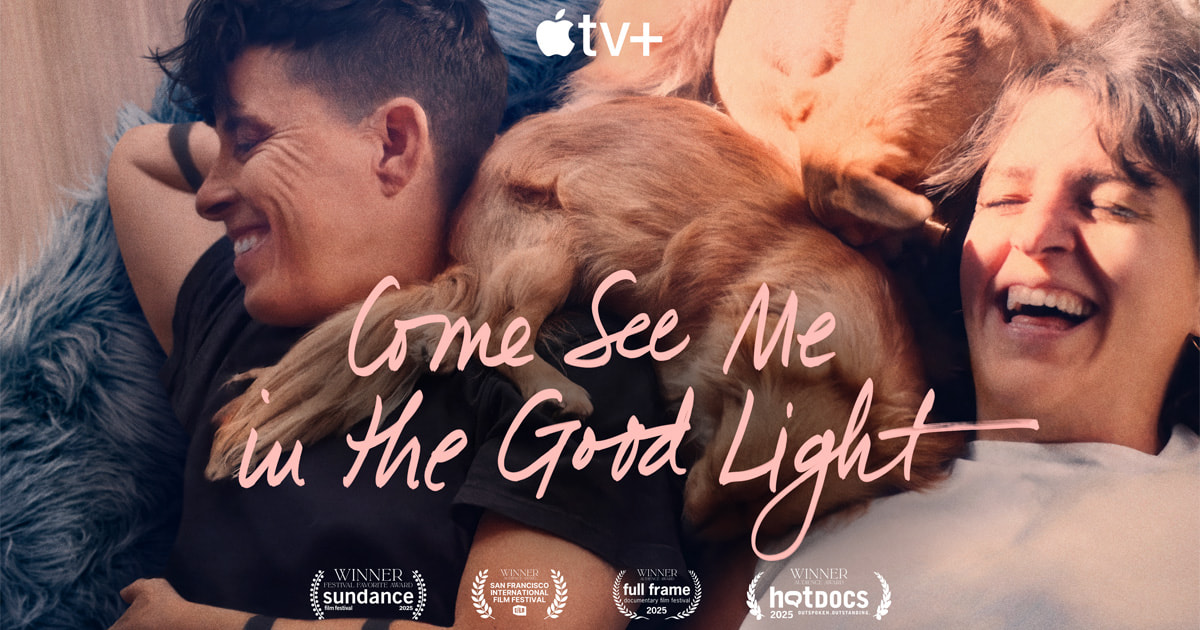
By Aimie Billon Caregiver Action Network Partnerships Consultant Academy Award-Nominated Documentary Explores Devotion and Gratitude in End-of-Life Family Caregiving Apple TV’s Academy Award-nominated Come See Me in the Good Light is a profound celebration of life, joy, and wonder in the face of death, exploring the deepening bond and continued laughter between two partners [...]
Repost from BrainandLife.org Caregivers are wired to put others first. For many, that instinct is so deeply ingrained that tending to their own needs begins to feel indulgent — even selfish. Over time, this mindset can quietly erode a caregiver's health, resilience, and sense of self. A recent feature [...]
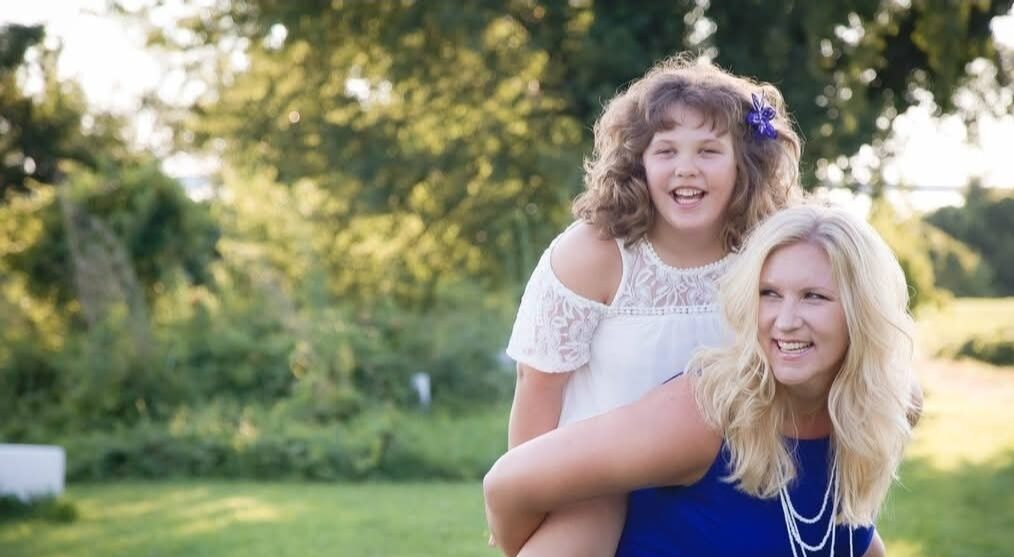
In honor of Rare Disease Day (February 28) and Turner Syndrome Awareness Month, Caregiver Action Network's Community Initiatives Director Nichole Goble visited with Leslie, a mom from Southern Maryland who has been caring for her daughter Gracie, now 19, since Gracie was diagnosed with Turner Syndrome at 18 months old. Leslie shares her journey [...]





Copyright © 2026, National Family Caregivers Association DBA Caregiver Action Network. All Rights Reserved.
Privacy Policy