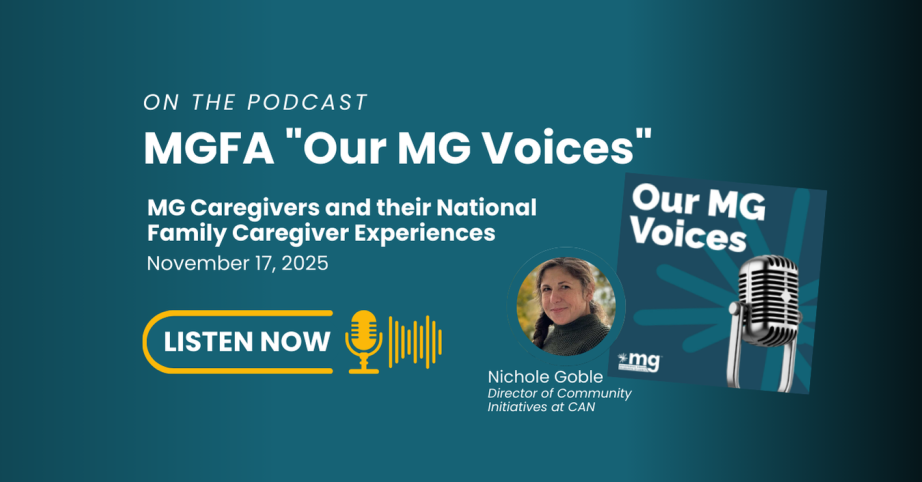
Caring for someone with myasthenia gravis (MG) comes with unique challenges that only fellow caregivers truly understand. This November, during National Family Caregivers Month, we’re honored to highlight a powerful podcast episode that gives voice to the MG caregiver community. What is Myasthenia Gravis? Understanding the Caregiver Role Myasthenia gravis is a chronic autoimmune neuromuscular [...]
Caring for a loved one with leukemia while maintaining your career is one of the most challenging roles you may ever face. This guide was created specifically for you—the working family caregiver who is navigating the complex demands of supporting someone through leukemia treatment while also managing job responsibilities, financial pressures, and your own [...]
The Caregiver's Role Everyday Support That Makes a Difference When a loved one undergoes an amputation, caregivers often face the need to adapt to sudden changes: mobility, prosthetics, pain and phantom limb issues, emotional adjustment, and home adaptations. Over time, new challenges emerge—maintenance of prosthetic devices, physical therapy, preventing complications, and helping [...]
The Caregiver's Role Everyday Support That Makes a Difference Caregivers provide critical support for people living with movement disorders, where motor and cognitive symptoms can make daily tasks challenging. They often assist with mobility, medication management, transportation, and scheduling medical appointments. In addition, caregivers offer emotional support as their loved ones experience [...]
The Caregiver's Role Everyday Support That Makes a Difference Caring for someone living with HIV/AIDS comes with unique challenges—balancing complex medication regimens, navigating stigma, and addressing both physical and emotional health needs. Advances in treatment have transformed HIV/AIDS into a manageable chronic condition, but caregivers remain central to ensuring quality of life, [...]
The Caregiver's Role Everyday Support That Makes a Difference Myasthenia Gravis (MG) is a chronic autoimmune neuromuscular disorder that causes weakness in the body’s voluntary muscles — the muscles we control for movements like talking, swallowing, breathing, and walking. It occurs when the immune system disrupts communication between nerves and muscles by [...]
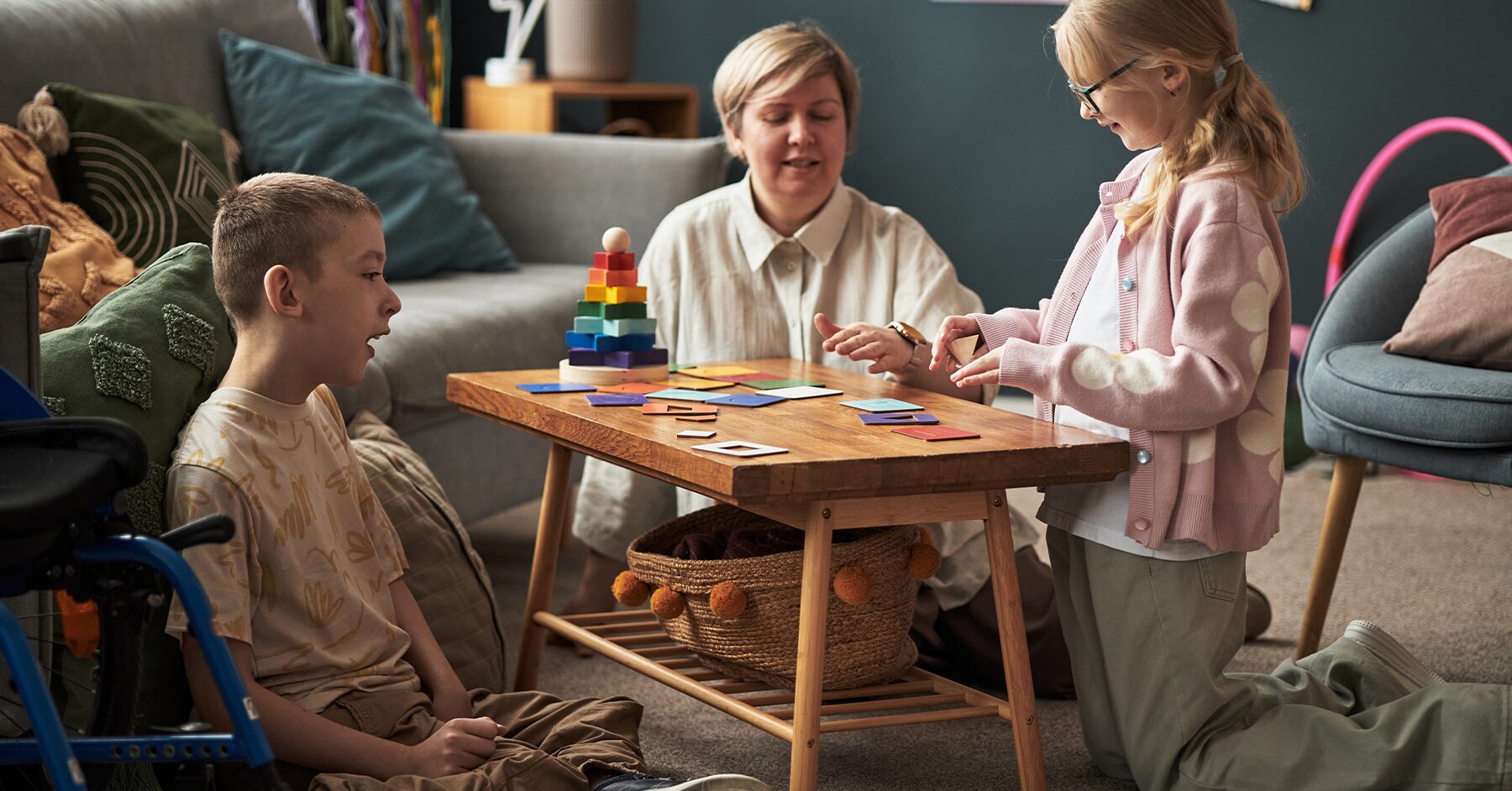
The Caregiver's Role Everyday Support That Makes a Difference Caring for someone with an intellectual or developmental disability (I/DD) involves long-term commitment, advocacy, and adaptation. Caregivers often support educational needs, life skills, medical or behavioral challenges, transition to adulthood, and evolving independence. Because the needs and supports change across the lifespan, caregivers [...]
The Caregiver's Role Everyday Support That Makes a Difference Chronic Kidney Disease (CKD) is a long-term condition in which the kidneys gradually lose function over time, often progressing to end-stage renal disease (ESRD) requiring dialysis or transplantation. Caregivers often help manage complex medication schedules, dietary and fluid restrictions, [...]
The Caregiver's Role Everyday Support That Makes a Difference Caring for someone with COVID or Long-COVID brings a mix of urgent and ongoing challenges. For those with active COVID, caregivers often provide critical support in monitoring symptoms, managing isolation, and ensuring access to medical care if conditions worsen. For those with Long-COVID, [...]
The Caregiver's Role Everyday Support That Makes a Difference Caring for someone with cystic fibrosis (CF) involves daily dedication to complex health routines. Caregivers often play a hands-on role in supporting airway clearance therapies, managing frequent medications, and monitoring for respiratory infections that can quickly become serious. Beyond the physical care, caregivers [...]








Copyright © 2026, National Family Caregivers Association DBA Caregiver Action Network. All Rights Reserved.
Privacy Policy