The Caregiver's Role Navigating Treatment, Benefits, and Recovery Caring for a loved one with bladder cancer often means helping manage appointments, medications, tests, treatments, symptoms, and communication with the healthcare team. For veterans, caregivers may also help navigate VA benefits, coordinate care between VA and community providers, and manage practical needs that [...]
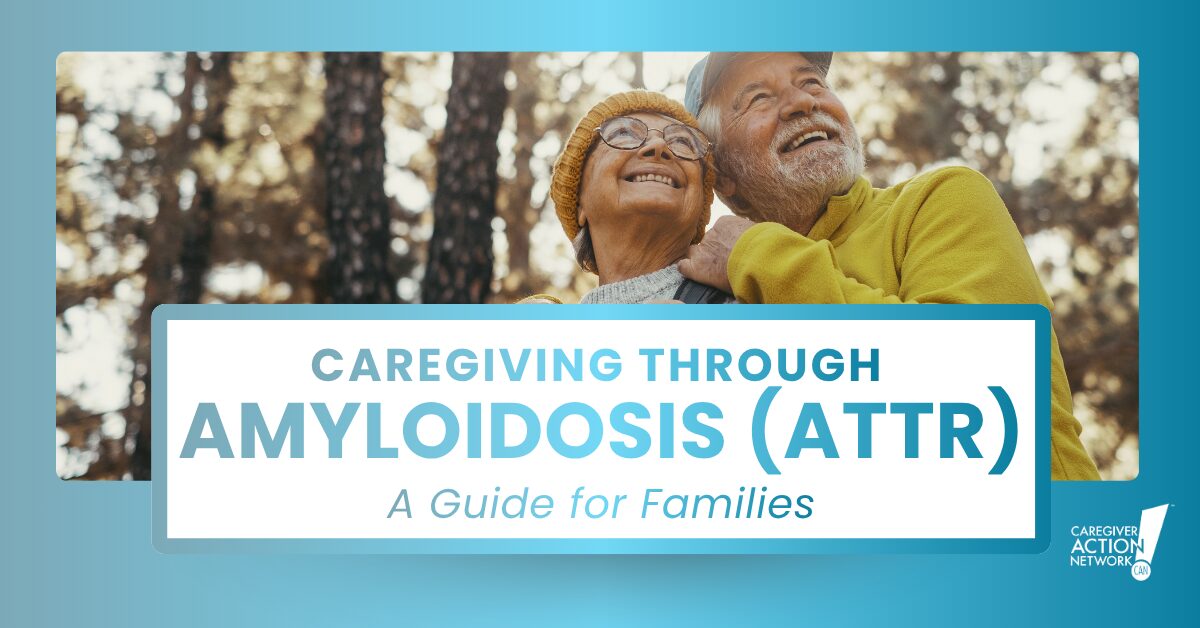
Caring for someone with transthyretin amyloidosis (ATTR) can feel overwhelming, especially in the early stages when the condition is still unfamiliar and the path forward is unclear. Many caregivers find themselves navigating a complex medical landscape while also processing the emotional weight of a serious diagnosis. This course is designed to help you better [...]
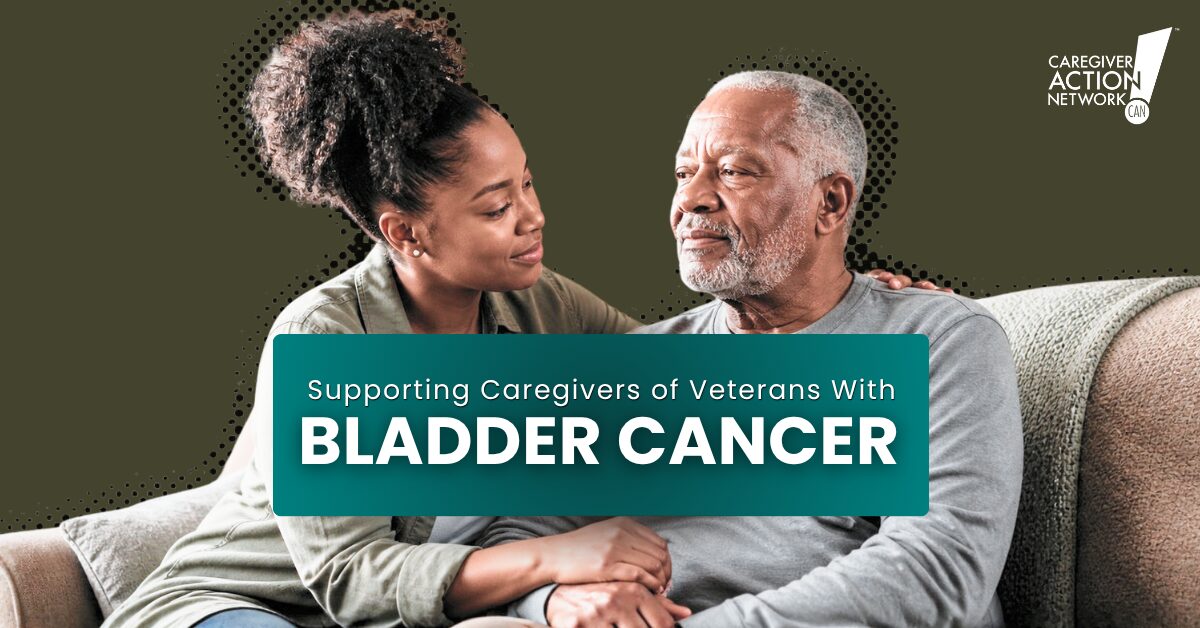
This guide is for spouses/partners, adult children, friends, and other unpaid caregivers supporting a Veteran or military-affiliated loved one with bladder cancer. It is especially useful when care is coordinated through VA health care, where the VA Caregiver Support Program offers education, coaching, peer support mentoring, and referrals for caregivers. Caregiver Support Teams are also available to help [...]
Clinical Trials for Alzheimer’s Disease are Enrolling Now Across the U.S. Studying changes in mood, behavior, and memory loss Alzheimer’s Disease affects more than memory. It can change mood and behavior. When someone you love starts to change, it can be hard to know what’s part of Alzheimer’s Disease and what to [...]
The Caregiver's Role Supporting Treatment and Preparing for Emergencies Caring for a loved one with opioid use disorder (OUD) often means helping them connect with treatment while providing practical and emotional support. Caregivers may assist with appointments, medications, transportation, and communication with healthcare providers, while also learning to recognize overdose signs and [...]
NATIONAL CAREGIVER HELP DESK Caregiving doesn't come with a manual. But it does come with help. Caregiving doesn't come with a manual. But it does come with help. Get advice from a caregiving expert, easy access to hundreds of resources, and a caregiving community…for free today! Click to call an [...]
Your Content Goes Here Use ONE OR ALL dropdowns to find the resources that best fit your needs. View the results below. Call Help Desk: (855) 227-3640 [...]
How monoclonal antibodies may help prevent illness
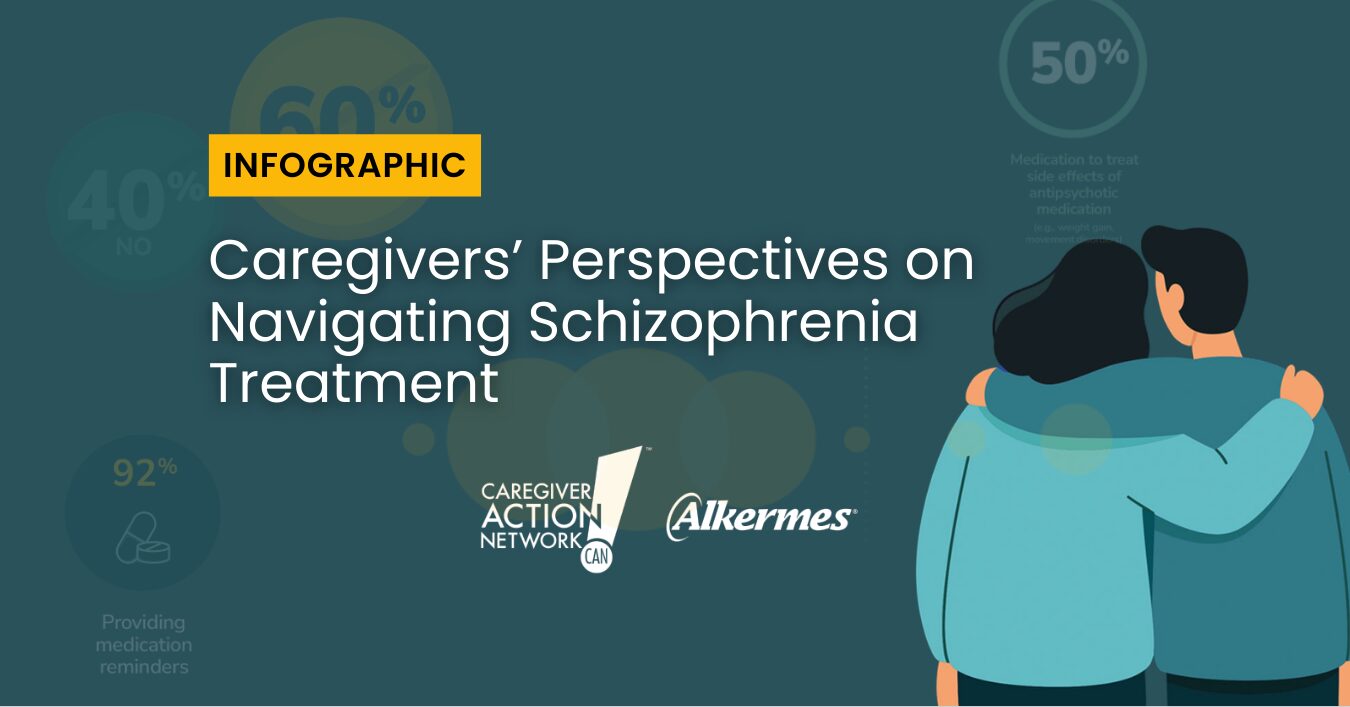
Alkermes, Inc. and the Caregiver Action Network (CAN) surveyed adults who provide unpaid care or support to a family member or friend diagnosed with schizophrenia. The goal was to better understand the experience of caregiving, including perceptions around their loved ones’ treatment journey, and the challenges and impacts of schizophrenia caregiving. Alkermes, Inc. and [...]
Caregiver Community Support Family caregiving can feel isolating—but you don’t have to do it alone. The caregiving journey continues every day, and so does the need for connection. Whether you’re looking for expert guidance or shared lived experience, there’s a supportive community ready to welcome you. Why Connect With [...]





Copyright © 2026, National Family Caregivers Association DBA Caregiver Action Network. All Rights Reserved.
Privacy Policy