Are you a caregiver?

You might already be one. Here’s what that can look like.

A caregiver is anyone who helps another person manage their health, daily needs, or overall well-being—often without pay. You might be a caregiver if you:
  • Help a family member, partner, friend, or neighbor with everyday tasks

  • Coordinate or attend medical appointments

  • Manage medications or health-related needs

  • Provide emotional support, check-ins, or advocacy

  • Assist with household responsibilities or transportation

  • Step in regularly because someone relies on you

If you see yourself in any of these roles, you can identify as a family caregiver—even if you’ve never used that term before. Caregiving looks different for everyone, but every caregiver plays a vital role and deserves recognition and support.


The Caregiver’s Role

Supporting Treatment and Preparing for Emergencies

Caring for a loved one with opioid use disorder (OUD) often means helping them connect with treatment while providing practical and emotional support. Caregivers may assist with appointments, medications, transportation, and communication with healthcare providers, while also learning to recognize overdose signs and keeping naloxone available.

Caregivers can offer compassion and encouragement without taking responsibility for their loved one’s recovery. Because setbacks can occur, maintaining healthy boundaries, seeking support, and protecting your own well-being are important parts of sustaining care.

Top 3 Things Caregivers Should Know

Opioid use disorder is a medical condition, not a lack of willpower.

OUD is a treatable health condition, and recovery can take time. Medications such as buprenorphine, methadone, and naltrexone can be part of effective treatment. Caregivers can offer encouragement and help their loved one connect with qualified healthcare professionals.

Know how to recognize and respond to an overdose.

An opioid overdose can happen unexpectedly. Caregivers should know the signs—including slowed or stopped breathing, inability to wake the person, and pinpoint pupils—and keep naloxone (such as Narcan) readily available. Naloxone can rapidly reverse an opioid overdose and should be given when an overdose is suspected, followed by emergency medical care. 

Take care of yourself, too.

Supporting someone with OUD can be stressful, frightening, and exhausting. Caregivers can help without taking responsibility for their loved one’s recovery. Setting boundaries, getting support from others, and making time for their own physical and emotional well-being are important parts of caregiving.

Caregiver Resources from Our Partners

Organization

Mental Health Education, Support & Community Programs

Offers programs, educational resources, peer support, and local support groups for people affected by mental illness and their families and caregivers.

SUPPORT

National Helpline for Mental Health & Substance Use

Provides free, confidential, 24/7 treatment referral and information for individuals and families facing mental health or substance use concerns.

SUPPORT

Family Support for Opioid Addiction

Provides guidance for families supporting a loved one with opioid use disorder, including information on treatment, boundaries, communication, and finding help.

Caregiver Action Network Resources

Explore Your Community Support Options

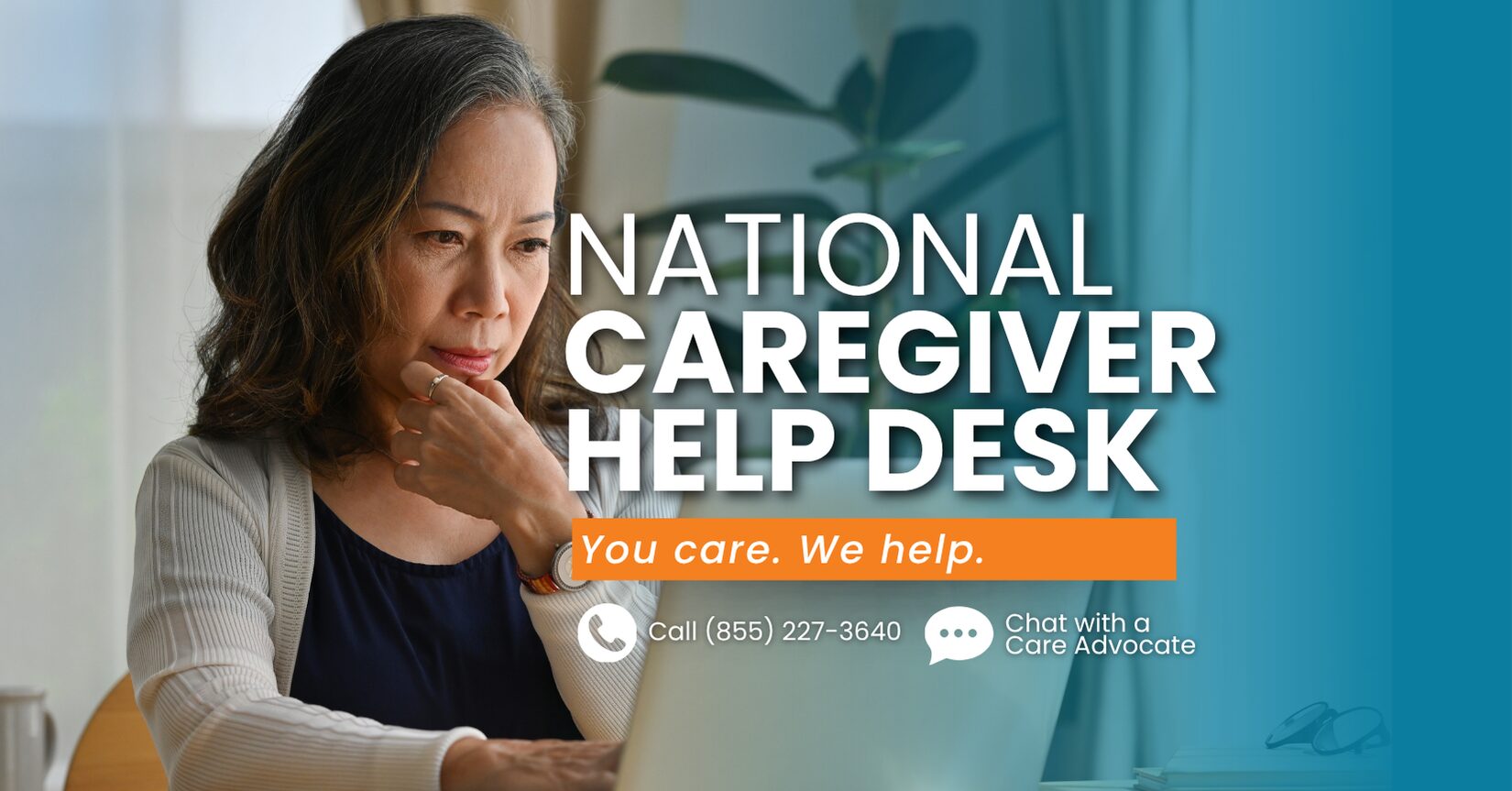
Personalized Guidance from Caregiving Experts

Personalized Guidance from Caregiving Experts

Available Monday-Friday from 8am – 7pm ET, our experts are ready with the personalized support, guidance, and assistance you need and deserve–for as long as you need it.

(855) 227-3640

24/7 Access to Hundreds of Helpful Resources

24/7 Access to Hundreds of Helpful Resources

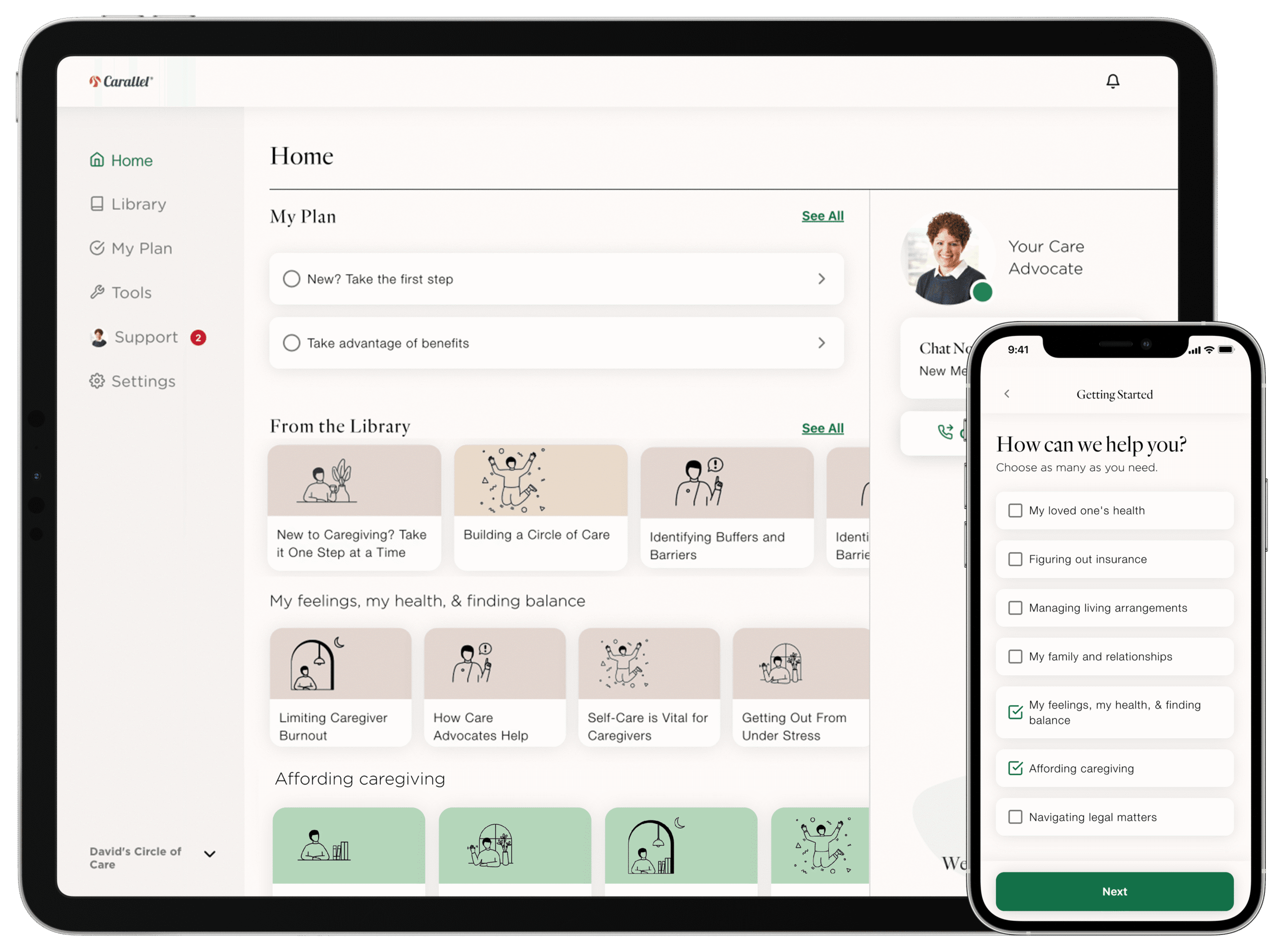
The National Caregiver Help Desk App, powered by Carallel, is full of bite-sized resources crafted to help you build skills, validate what you’re feeling, and help you get stuff done.

Use Access Code: CAN

Connection & Community with Other Caregivers

Expert-Led Virtual Fireside Chats

These 30-minute virtual fireside chats address the complex and often difficult topics encountered by caregivers. Sessions are led by Matt Perrin, Carallel’s Director of Caregiver Engagement, and Sheila Schultz, a Carallel Care Advocate.

Community with Other Caregivers

Community With Other Caregivers

Through CAN, Carallel Support Groups give you a place to ask questions, feel understood, and build confidence in your caregiving journey. Access is simple and available when you need it.

Certified Listeners

Connect with Certified Listeners

Looking for someone who really gets it? Get matched with trained listeners who share your lived experience—whether that’s caring for someone with Alzheimer’s, cancer, or another chronic condition.

Facebook Support Group for Caregivers

Online Support Group on Facebook

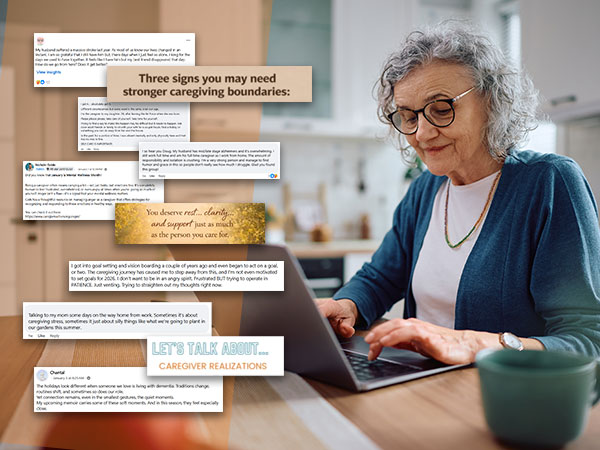
Join our caregiver community on Facebook to connect with thousands of peers in a welcoming, supportive space.
Ask questions, share experiences, and receive advice any time of day.

We’re meeting caregivers where they are—giving you choices for how you want to connect, whether through expert advice, peer-to-peer empathy, or live support groups.