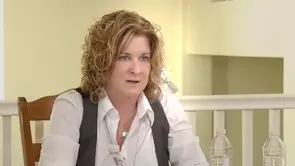
Caregivers discuss the different support networks that work best for them. Eunie, Caregiver for Husband, 9 Years, California: I could not have come as far as I am without my family’s support, all of them included. My doctor’s support and his office staff have been wonderful, always providing the care I needed. [...]
Family caregiving can be a rewarding yet overwhelming experience, especially when family dynamics complicate the process. Understanding how to manage caregiving family dynamics and getting siblings involved is crucial for balancing responsibilities and maintaining emotional health. This article will explore the common challenges family caregivers face, effective communication strategies, and practical solutions for managing caregiving [...]
Long-distance caregiving is becoming increasingly relevant as more elderly individuals choose to age in place in their own homes while their grown children live elsewhere. This trend presents unique challenges for caregivers who are not physically present but still wish to provide support and ensure their loved one's well-being. Effective caregiving from afar requires [...]
Balancing Work and Caregiving: Managing Dual Roles Balancing job responsibilities with caregiving demands is a challenge faced by many family caregivers. According to recent data, 60% of family caregivers are employed, and approximately two-thirds have had to adjust their work-life balance due to their caregiving responsibilities. This dual role can impact various aspects of [...]
"The only thing constant is change." While some changes in life are anticipated and welcomed, the introduction of illness or disability into a family often comes without warning, fundamentally altering family dynamics and relationships. Understanding these changes and learning to navigate them is crucial for both caregivers and their loved ones. Understanding How Illness [...]
Introduction to Care Counseling for Family Caregivers Family caregivers face immense challenges when caring for loved ones, especially during times of crisis. Care counseling is a vital service that provides much-needed emotional support, expert advice, and guidance. Whether you’re dealing with caregiver crisis management or need practical caregiving help and advice, care counseling offers a lifeline. [...]
As any family caregiver knows, your commitment to your loved one is beyond question. Whether you’ve been providing care for a month, a year, or a decade, you’ve clearly dedicated yourself to ensuring that your loved one has the best home care and quality of life possible for as long as possible. However, in any [...]
Caregiving is a profound act of love and dedication, but it comes with significant emotional and relational challenges. As caregiving responsibilities grow, many caregivers find themselves grappling with changes in intimacy and the dynamics of their closest relationships. Understanding the emotional toll of caregiving and learning to navigate these challenges can help caregivers maintain [...]
Understanding Long-Term Family Caregiving Long-term caregiving is a demanding role that often extends over many years, placing significant emotional, physical, and financial burdens on family caregivers. As the caregiving journey progresses, these challenges can become increasingly complex, requiring ongoing adjustments and support. Balancing long-term caregiving responsibilities with personal needs can be overwhelming, making it [...]
Understanding Caregiver Challenges: The Importance of Support Groups Caregiving for a loved one comes with challenges, from emotional stress to managing daily tasks. Navigating these challenges can be overwhelming, and many caregivers struggle with feelings of isolation and burnout. One effective way to alleviate some of these burdens is by joining a support group. [...]











Copyright © 2026, National Family Caregivers Association DBA Caregiver Action Network. All Rights Reserved.
Privacy Policy