The Caregiver's Role Supporting Recovery and Independence Stroke recovery can vary widely from person to person, and caregivers often play an important role in helping a loved one adjust and regain as much independence as possible. This may include assisting with daily activities, coordinating medical care, managing medications, supporting rehabilitation exercises, and [...]
The Caregiver's Role Adapting as Needs Change Caring for a loved one with Alzheimer's disease is an evolving role. It’s not just about helping with daily tasks, it’s about supporting the whole person as their needs change over time. Caregivers provide day-to-day support, establish routines, and serve as care coordinators and advocates. [...]
The Caregiver's Role Supporting Health Without Judgment Obesity is a complex, chronic health condition influenced by genetics, environment, mental health, medications, and other medical factors. Caregivers can provide practical and emotional support by encouraging healthy habits, helping manage medical care, listening without judgment, and supporting sustainable changes rather than focusing only on [...]
The Caregiver's Role Helping Manage Symptoms, Treatment, and Care Lung cancer is one of the most commonly diagnosed cancers worldwide and can affect people with or without a history of smoking. Treatment may include surgery, chemotherapy, radiation, targeted therapy, immunotherapy, or a combination depending on the type and stage of the cancer. [...]
The Caregiver's Role An Overview for Family Caregivers Breast cancer is the most commonly diagnosed cancer among women in the United States, accounting for about 30% of new cancer cases each year, though men can also develop the disease. Caregivers often help coordinate care, provide emotional support, manage treatment side effects, and [...]
The Caregiver's Role Providing Care, Comfort, and Advocacy Caring for a loved one with cancer often means helping them feel supported and less alone throughout diagnosis, treatment, and beyond. Caregivers may coordinate appointments, manage medications and transportation, help with daily needs, take notes during medical visits, ask questions, and help their loved one [...]
The Caregiver's Role Everyday Support That Makes a Difference Caring for a loved one with substance use disorder (SUD) can be complex and emotionally demanding. While you cannot control another person’s recovery, you can play an important role by providing emotional support, encouraging treatment, promoting safety, and helping maintain stability. This may include [...]
The Caregiver's Role Coordinating Care and Offering Reassurance Caring for a loved one with kidney cancer often means helping manage appointments, tests, medications, treatment schedules, symptoms, and communication with the healthcare team. Caregivers may also assist with transportation, meals, household tasks, finances, insurance, and other practical needs during treatment and recovery. Caregivers [...]
The Caregiver's Role Managing Treatment and Everyday Support Caring for a loved one with leukemia often means helping manage appointments, treatments, medications, lab tests, symptoms, and communication with the healthcare team. Caregivers may also assist with transportation, meals, daily activities, insurance, medical bills, and other practical needs that arise during treatment. Caregivers [...]
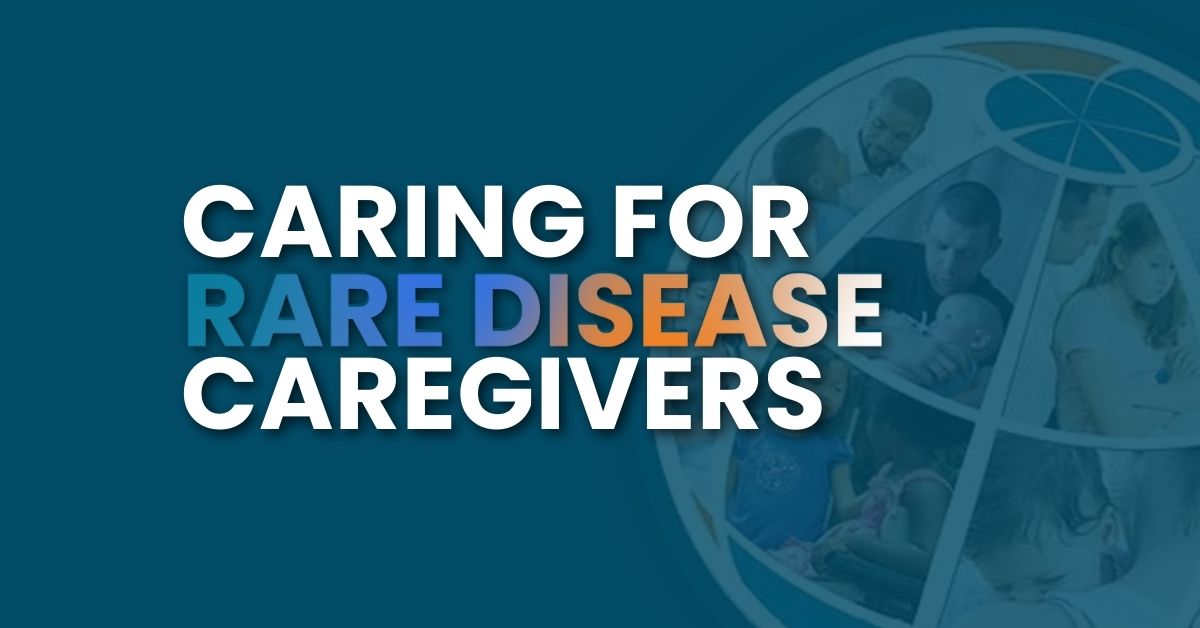
A Caregiver Action Network Resource Caring for Rare Disease Caregivers Rare diseases can make caregiving especially complex. You don’t have to navigate it alone. When your loved one has a rare disease, you may be coordinating specialists, searching for answers, managing daily care, and facing the unknown. We’re here to [...]











Copyright © 2026, National Family Caregivers Association DBA Caregiver Action Network. All Rights Reserved.
Privacy Policy