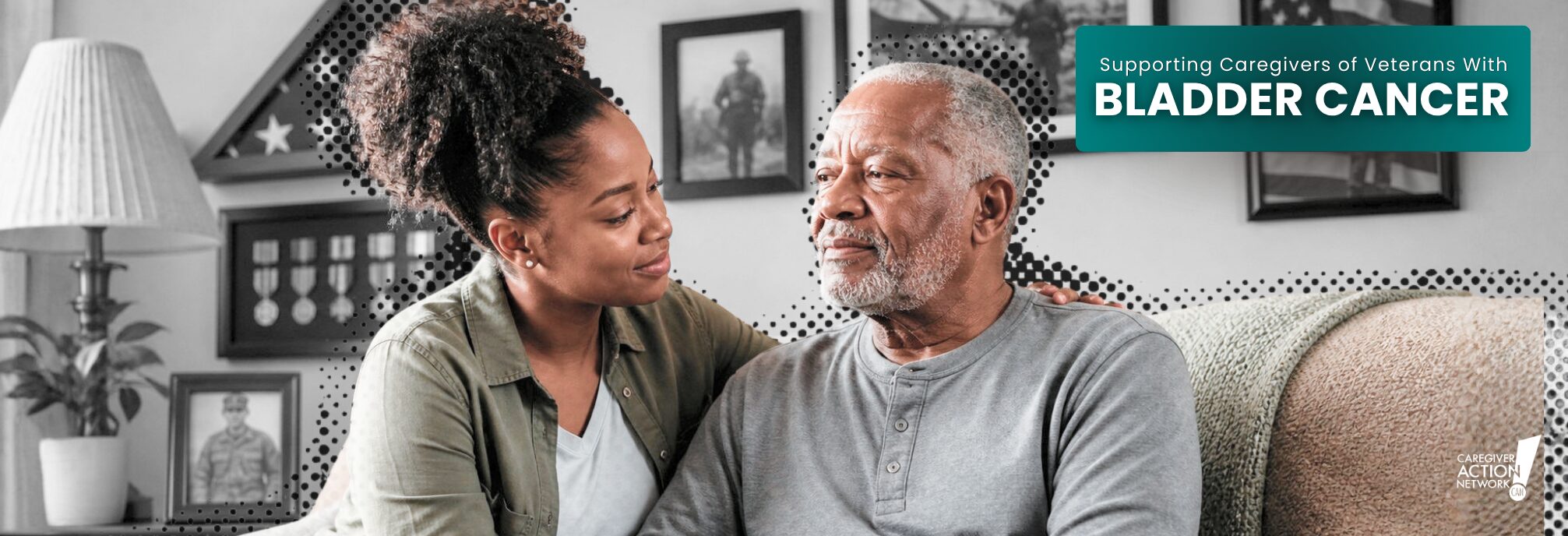
Effective communication and advocacy for a veteran loved one with bladder cancer often means speaking up during medical visits, coordinating with providers through the U.S. Department of Veterans Affairs, asking questions, and ensuring their preferences and needs are clearly understood and respected.
Communicating effectively with VA providers
Effective communication with healthcare providers is essential for quality care. Caregivers should prepare for appointments by writing down questions and concerns in advance. During visits, they should take notes, ask for clarification when needed, and request written instructions for complex care tasks.
The VA encourages caregivers to be active participants in the healthcare team. Using secure messaging through My HealtheVet allows caregivers to communicate with providers between appointments. Building positive relationships with the care team through respectful, clear communication helps ensure the veteran’s needs are understood and addressed.
Hear from G.R., who learned how to get their provider's attention.
Oyen muchas quejas y opiniones cargadas de emotividad. Por eso, si lo expresas de forma muy sencilla —diciendo que hay algo que debería estar pasando y no está pasando—, captarás su atención y es muy probable que obtengas una respuesta.
Hear from Crissy, who learned that recording appointments helped improve her understanding.
En mi caso, se trata más bien de la terminología médica. El médico de mi madre habla muy rápido y cada palabra es, ya sabes, algún tipo de término médico con el que no estoy familiarizada. Así que lo que aprendí a hacer fue grabarlo mientras habla. Luego nos vamos a casa, reproducimos la grabación y buscamos todo lo que no entendemos. Y él nunca, nunca hace pausas cuando habla. Habla sin parar durante 45 minutos. Y entonces, cualquier pregunta que tuvieras durante la consulta, ya la has olvidado. Para mí, eso es lo que tengo que hacer, simplemente grabar toda la conversación.
Hear from G.R., who learned about the importance of setting expectations with your loved ones provider.
Una de las cosas que me ayudó fue, en primer lugar, presentarme y que mi hermano dijera: «Mira, lo que me vas a contar va a ser un lío en mi cabeza, y esta es la persona con la que tienes que hablar si quieres que haya una buena comunicación». Eso me ayudó. Y luego, junto con todo lo que Tara ha estado compartiendo, tener toda la preparación ya hecha por mi parte para poder volver a hablar, hablar su idioma, es la mayor ayuda, porque ahora se derriban las barreras y ellos lo entienden. Esperar que un médico piense que soy, ya sabes, la persona adecuada con quien hablar la primera vez que entro por la puerta es pedir demasiado. Así que poder ser abierta, amable y exponer la situación fue muy importante, y me llevó un par de intentos con algunos de los médicos, porque está esa parte de que te tomen en serio, especialmente con los especialistas. Pero una vez que consigues derribar esas barreras, todo se vuelve mucho más fácil.
Asking questions and speaking up when something doesn’t feel right
Caregivers serve as advocates for the veteran’s safety and well-being. If something seems wrong—whether a medication error, an unexpected symptom, or a concern about care quality—caregivers should speak up. The VA Patient Advocate at each facility can help resolve concerns and ensure the veteran’s voice is heard.
Important questions to ask include:
- What are the treatment options?
- What are the risks and benefits?
- What should we watch for at home?
- When should we call for help?
Caregivers should never hesitate to seek a second opinion or request clarification if they don’t understand something.
Supporting shared decision-making
Shared decision-making is a collaborative approach where patients, caregivers, and healthcare providers work together to make treatment decisions that align with the patient’s values and preferences. For bladder cancer, this may involve weighing treatment options, considering quality-of-life factors, and discussing goals of care.
Caregivers can support this process by helping the veteran articulate their healthcare priorities, such as their personal health goals and where they want to receive treatment, researching treatment options, and facilitating conversations with the healthcare team.
The veteran’s wishes should always guide decisions, with the caregiver serving as a supportive partner in the process.
The VA's Patient Priorities Care (PPC) is designed to align medical care with what matters most to veterans. It helps reduce burdensome care by focusing on personal health goals and preferences, using tools such as self-directed guides and facilitator-led conversations.
Hear from Sue about the importance of research and working with providers.
No sabía lo que no sabía. Así que sí, sin duda hay que leer un poco. E incluso mientras lo leías, mi marido estaba en una página diferente a la mía. Yo pensaba: «Oye, él va a... Voy a mantenerlo con vida pase lo que pase». Y yo leía mucho y él ni siquiera estaba ahí. Ni siquiera leía nada. Así que, ya sabes, estábamos en páginas diferentes y, um, estoy pensando adónde voy con esto, pero sí. Y, um, definitivamente tuvimos que buscar opiniones diferentes y, uh, investigar mucho y cosas así, uh, para seguir adelante en la dirección correcta.