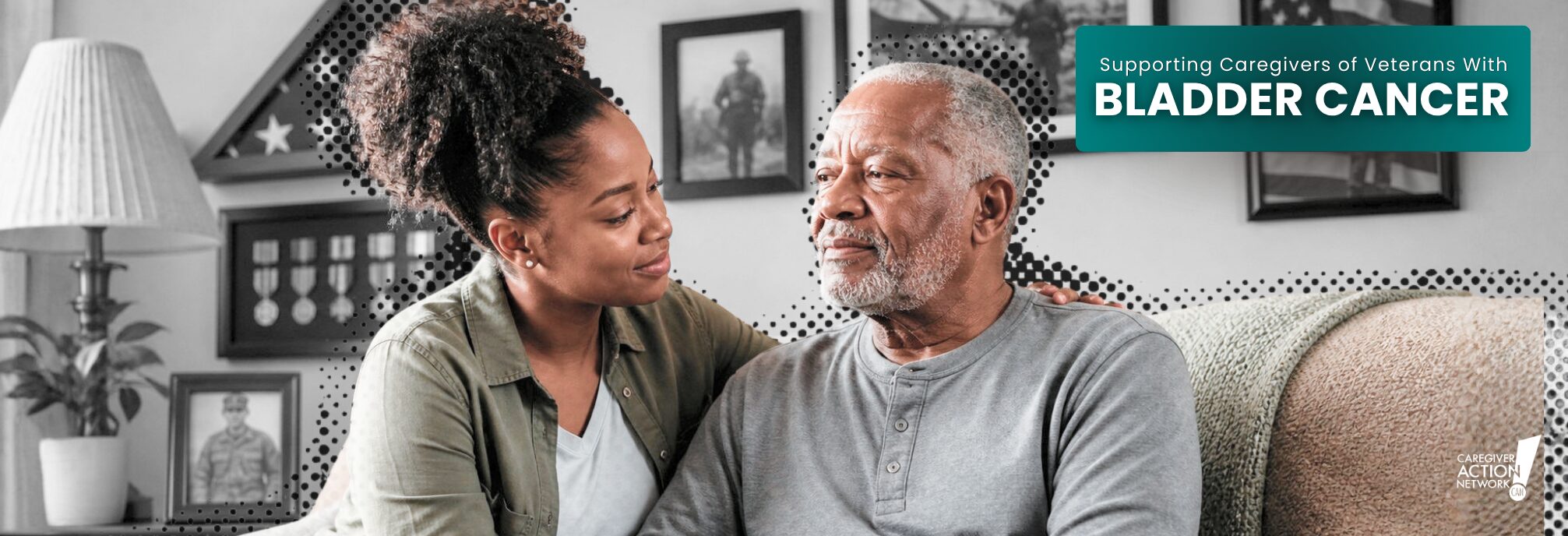
Setting boundaries as a bladder cancer caregiver means being clear—early and often—about what you can realistically handle.
Organizations like the Bladder Cancer Advocacy Network (BCAN) emphasize setting boundaries, delegating responsibilities, and protecting small pockets of “me time” to prevent burnout.
Rather than trying to do it all, take a team-leader approach: assign specific tasks such as medication management, insurance calls, or transportation to others. When friends or family offer help, be specific—ask them to pick up groceries on Tuesday or sit with your loved one during an appointment. Even brief, non-negotiable daily breaks—a short walk, 20 minutes of reading, a few moments of silence—can restore the energy needed to provide sustainable care.
Managing caregiver guilt is just as important as managing logistics.
Groups like Mental Health America encourage caregivers to reframe guilt as evidence of deep commitment, not failure. Taking breaks is not selfish; it is essential. Set realistic expectations, accepting that mistakes will happen and that doing your best is more than enough. Acknowledge feelings of frustration or fatigue without judgment and focus on the present day rather than becoming overwhelmed by “what ifs.”
Connecting with support groups, prioritizing your own physical health, and seeking counseling when needed can all help lighten the emotional load and remind you that you are not alone.
Caregivers often struggle with guilt:
Healthy boundaries may look like:
Boundaries protect relationships — they do not weaken them.
Hear from Angie about the blurred lines in relationships when caring for someone.
Para la persona que necesita cuidados, ya sabes, es difícil para ella porque ahora su pareja, su hermano o su hija tienen que, ya sabes, atenderla en lo más íntimo, ¿entiendes? Y por eso, sí, eso es duro para ellos. Y luego, como pareja o hermano o, ya sabes, los límites se difuminan, ¿entiendes lo que quiero decir? Y por eso, sí, yo también lo entiendo. Sí, es, ya sabes, es duro. Creo que lo es. Es duro.