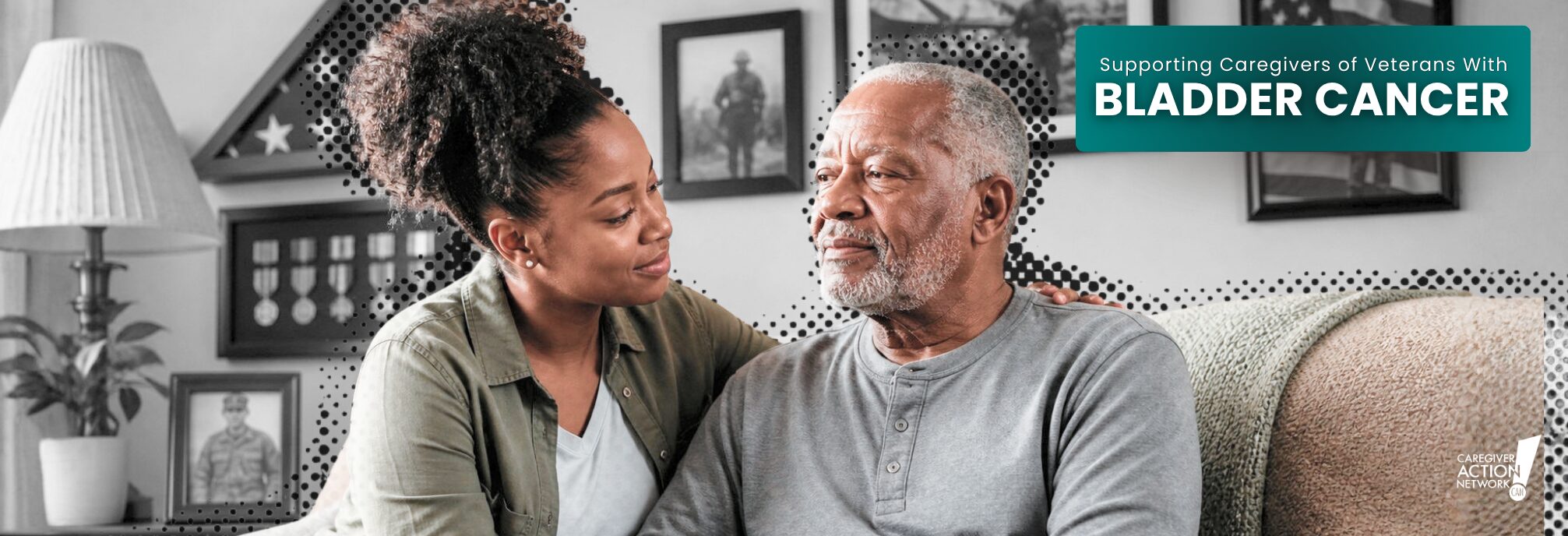
Practical caregiving tasks for a loved one with bladder cancer can include managing medications, assisting with hygiene and ostomy care, monitoring for symptoms or complications, preparing meals, and helping coordinate medical appointments and follow-up care.
Medication management and symptom monitoring
Caregivers of veterans with bladder cancer play a crucial role in managing medications and monitoring symptoms. This includes organizing medications, ensuring doses are taken on schedule, and watching for side effects. Common side effects of bladder cancer treatment include fatigue, nausea, changes in urination, and skin irritation from radiation.
Keeping a symptom diary helps track patterns and provides useful information for healthcare providers. Caregivers should know which symptoms require immediate medical attention—such as fever, severe pain, blood in urine, or signs of infection—and have emergency contact numbers readily available.
Post-treatment and post-surgical support
Recovery from bladder cancer surgery, particularly radical cystectomy, requires significant caregiver support. If the veteran has a urostomy (urinary diversion), caregivers may need to learn how to care for the stoma and manage the pouching system. This includes emptying and changing pouches, monitoring skin irritation, and recognizing signs of complications.
Post-treatment care also includes assisting with wound care, managing drainage tubes, if present, and gradually increasing activity levels as recommended by the healthcare team. Caregivers should attend pre-surgical education sessions when possible and ask the care team for written instructions and demonstrations.
Helping with daily living while maintaining dignity and independence
Supporting a veteran with bladder cancer means balancing assistance with respect for their autonomy. Caregivers may help with bathing, dressing, meal preparation, and transportation while encouraging the veteran to do as much as they can independently. This approach preserves dignity and supports emotional well-being.
Nutrition is particularly important during cancer treatment. Caregivers can help by preparing nutritious meals, encouraging adequate hydration, and adapting to dietary restrictions or preferences that may change during treatment. Creating a comfortable home environment and maintaining familiar routines also supports the veteran’s quality of life.
Treatment impact on sexual health for patients and caregivers
Bladder cancer treatment—especially surgery to remove the bladder—can have a big impact on a person’s sex life. People may experience things like trouble with erections, vaginal dryness or changes, less interest in sex, or pain during intimacy.
These changes can be difficult not just for the person going through treatment, but also for their partner or caregiver. It can affect how they feel about their body, make intimacy harder, and create challenges in talking openly about it.
There are ways to help, like different therapies, lubricants, or treatments to support sexual function. But many people feel these concerns aren’t discussed enough or fully addressed by their healthcare providers.
Hear from Tara about finding the balance between your roles.
Intentar separar tus obligaciones como cuidador y, al mismo tiempo, estar ahí de la forma que tú quieres para la persona a la que cuidas —ya sea, de nuevo, tu pareja, o cualquiera que sea tu relación con esa persona—, es realmente difícil separar ambas cosas. Y tratar de encontrar el equilibrio entre ambas cosas puede resultar muy complicado.